Uzhhorod scholars join Ukrainian studies in France
Professor Halyna Shumytska took part in an international colloquium at Université Clermont Auvergne and outlined prospects for cooperation between LRL and the UzhNU Research Centre for the Sociology of Language
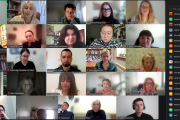
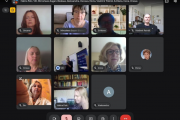
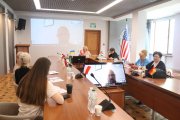
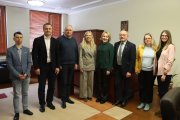
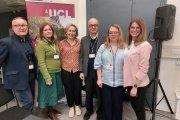
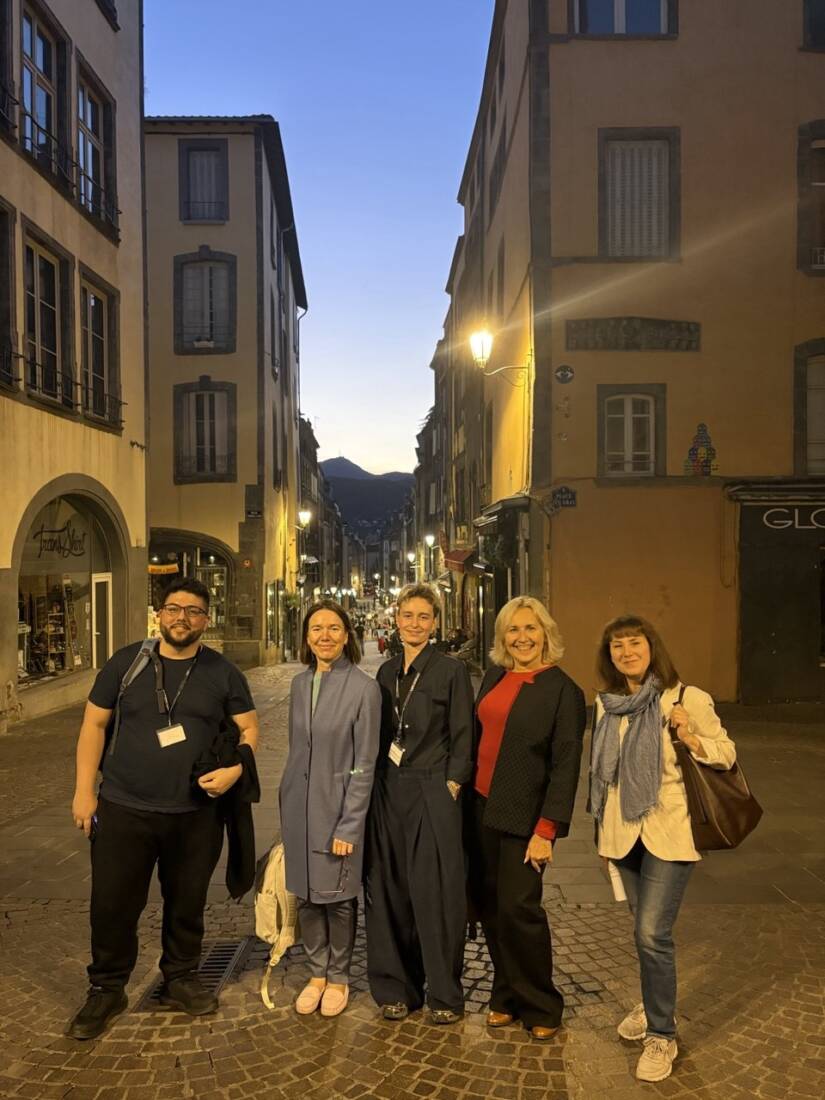
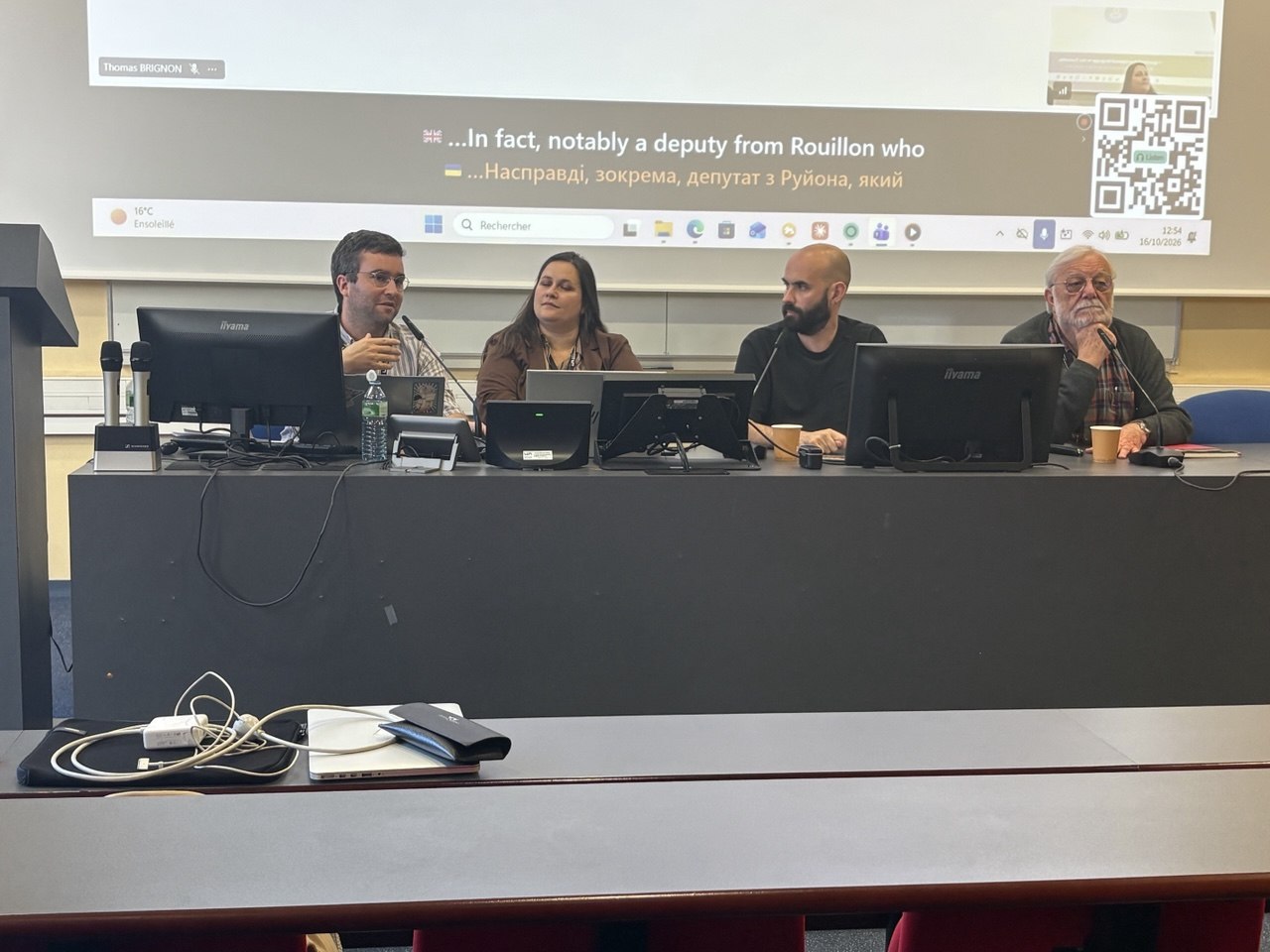
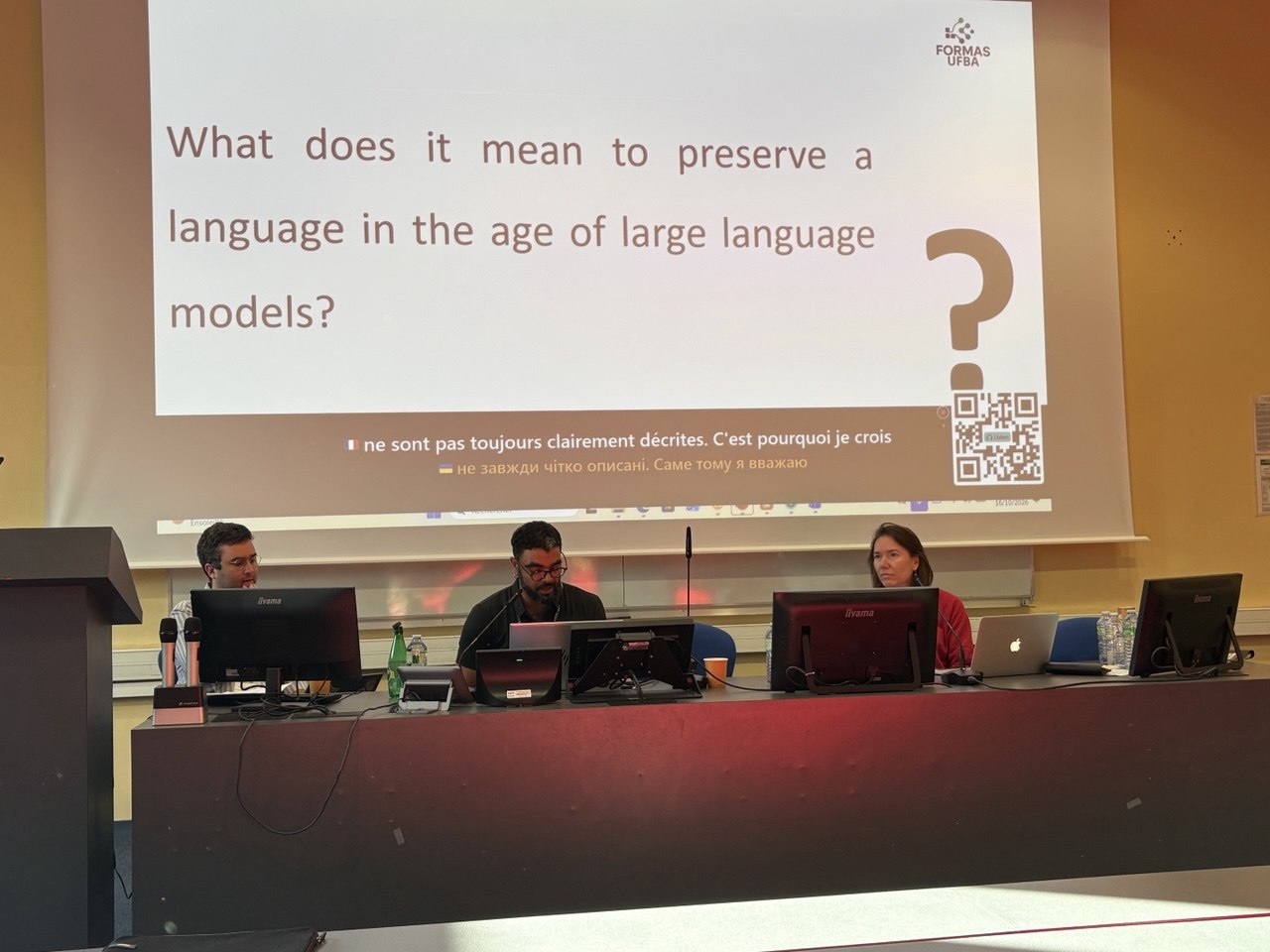
Professor of the Department of Sociology and Social Work at the Faculty of Social Sciences Halyna Shumytska took part in a two-day international colloquium organised by LRL and l’IHRIM (Université Clermont Auvergne) in cooperation with LACITO (CNRS–Université Sorbonne Nouvelle–INALCO), the University of Helsinki and the Institute of Occitan Studies of the Auvergne-Rhône-Alpes region.
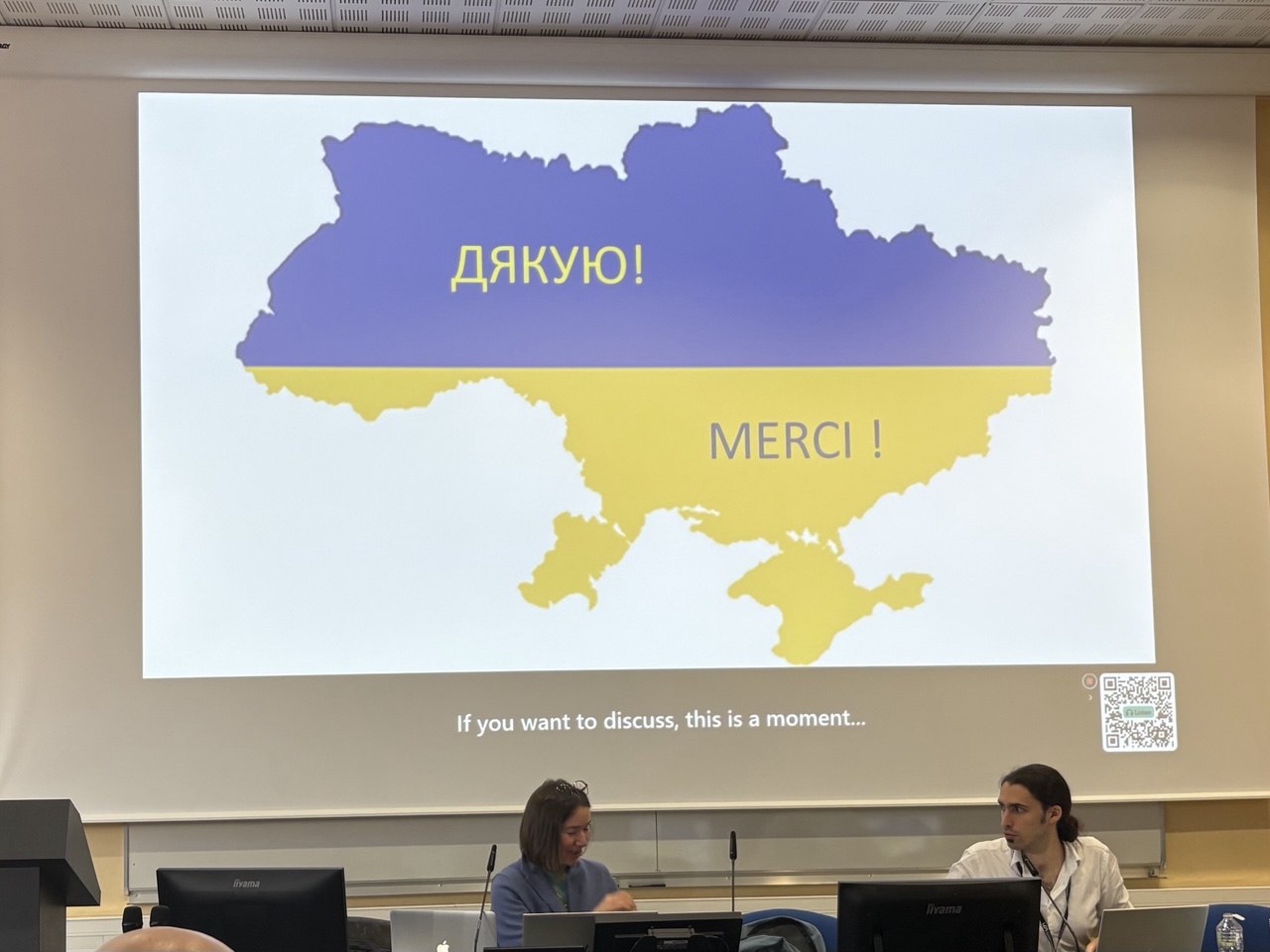
Inspired that Ukrainian entered the colloquium’s thematic title alongside several other endangered languages of the world; Ukraine and Ukrainian were discussed without a Kremlin lens; Ukrainian captions ran alongside English during the automatic translation of French-language presentations and vice versa, thanks to software kindly provided by LRL researcher Marcos Antonio Ramos Pinto Junior.
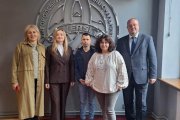
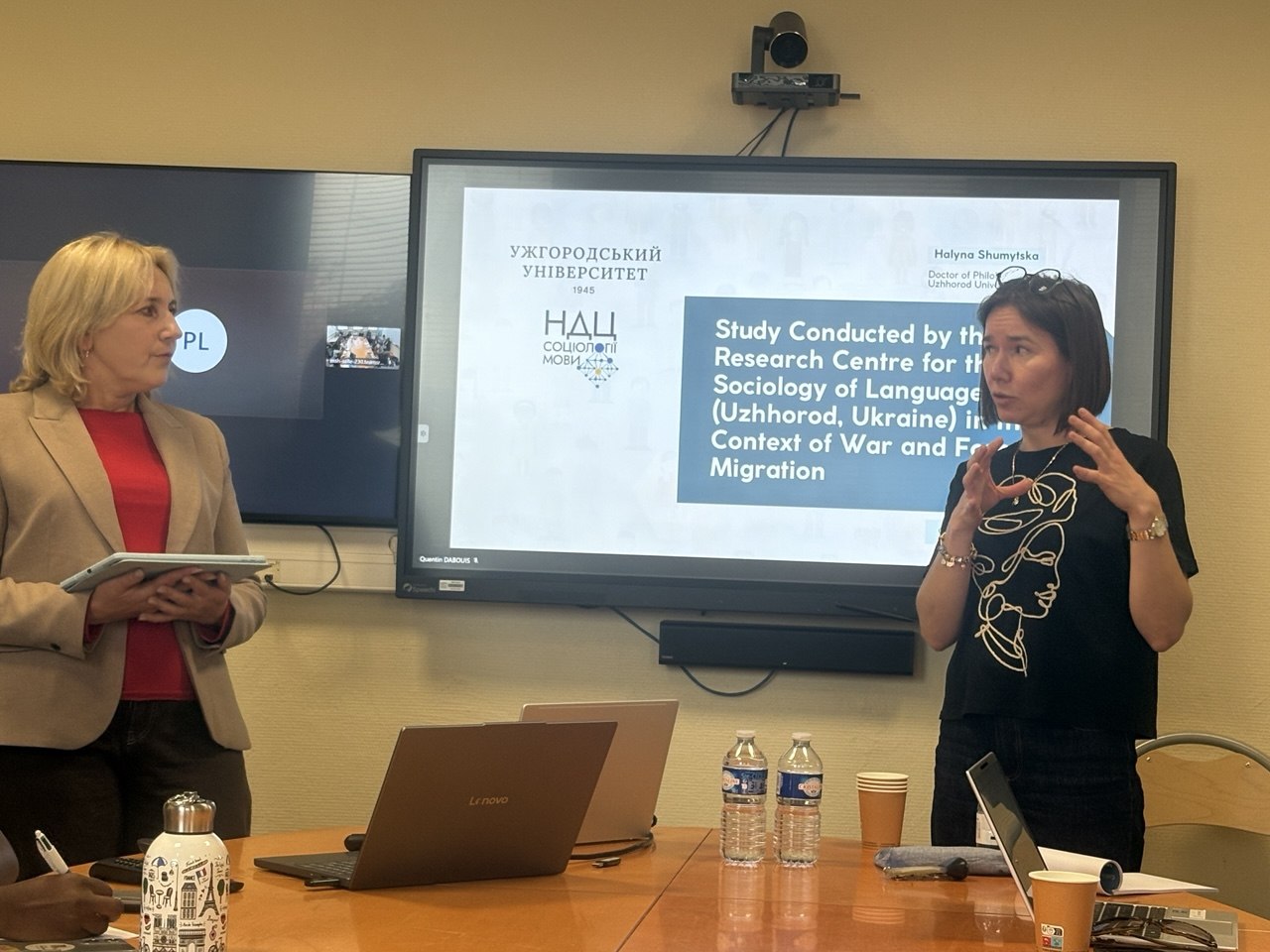
I thank Laboratory researcher Dr Olena Polovynko, a Ukrainian who has worked for many years in French scholarly institutions and does much to spread knowledge about Ukraine and the Ukrainian language, and her colleagues at LRL for the invitation to join the research work — in particular for the chance to speak about the experience of the UzhNU Research Centre for the Sociology of Language at a seminar open to everyone at Clermont University, and for future projects in the format LRL (Université Clermont Auvergne) and the Research Centre for the Sociology of Language (Uzhhorod University), Halyna Shumytska emphasises.
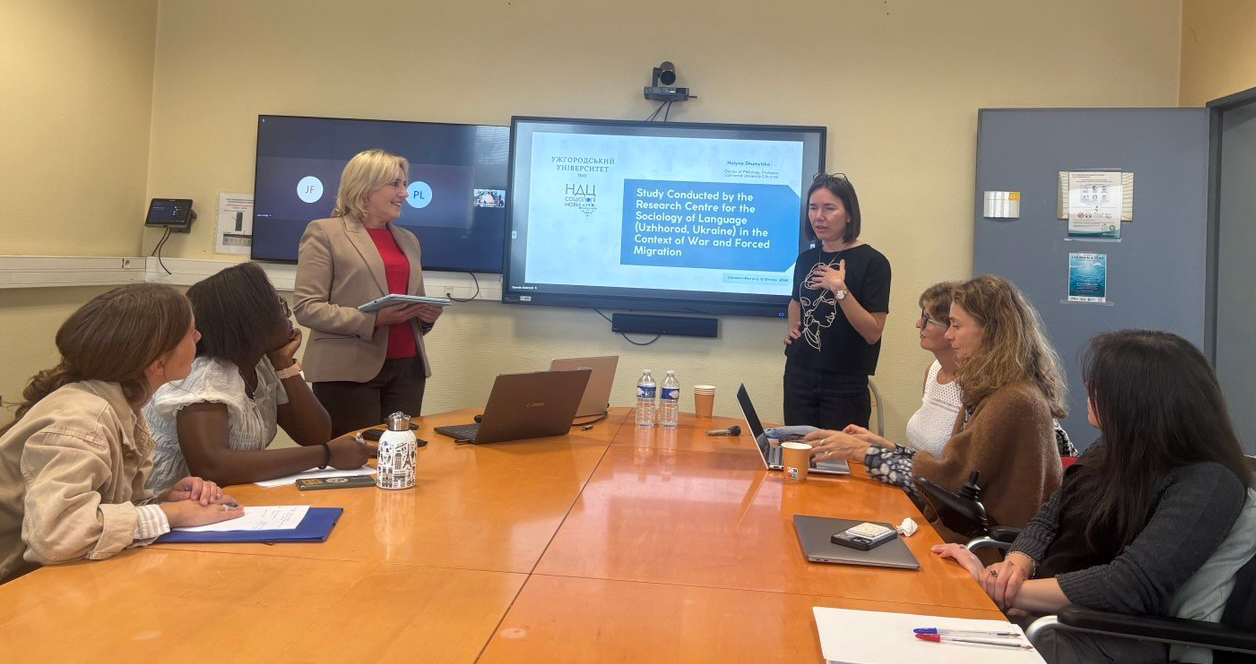
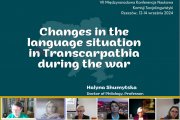
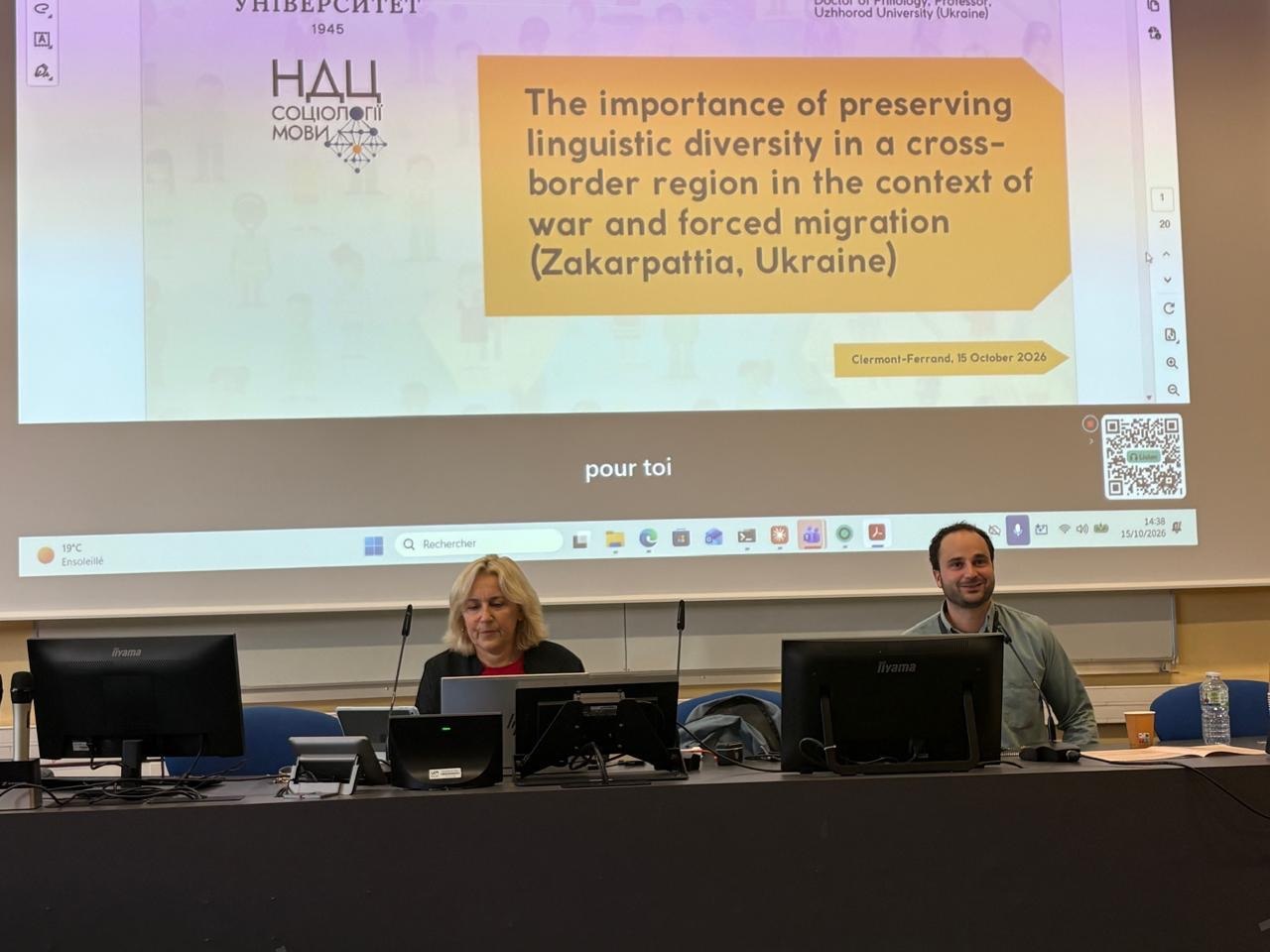
The Ukrainian block at the colloquium included several papers. Halyna Shumytska spoke, among other things, about the importance of preserving the linguistic and cultural diversity of Transcarpathia as a border region of Ukraine under war and forced migration. She also argued that language in Ukraine today is “symbolic capital” (after Pierre Bourdieu) used to defend against various forms of aggression, so neighbouring and other countries may be interested in studying Ukraine’s experience of building a “security language border.” At the same time, Transcarpathia’s effort to keep its identity in wartime may interest France through the lens of its own regional languages, including Breton, Occitan and others.
A whole series of presentations focused on Occitan — the language of the troubadours, which in the Middle Ages was the main language of European secular culture, courtly poetry and love, and is now largely displaced by French. A film based on comments by Occitan speakers was especially moving; one of its protagonists said she “speaks it to her goats.” On the other hand, the Institute of Occitan Studies operates as an NGO in France, founded in 1945 by a group of writers and Resistance members, whose main aim is to preserve, standardise and develop Occitan language and culture, and the state financially supports such projects.
Valuable information was shared on the current state of Guaraní — one of the most resilient languages and almost the only Indigenous language of Latin America that not only survived but became the majority language of a whole country, Paraguay, and functions successfully alongside a European language (Spanish). While Paraguay’s Indigenous population is under 2%, some 77–90% of the country’s population speaks Guaraní to some degree — peasants, city dwellers, business people and the political elite. It is also official in regions of neighbouring countries, for example Argentina and Bolivia. The state works to preserve and develop the language: bills regularly require television and radio to broadcast at least 30% of content in Guaraní. In 2025 a large national digital archive was launched to preserve Guaraní’s oral and written heritage.
A unique study of Nynorsk — one of the two official written forms of modern Norwegian — was presented by a colleague from Norway. Interestingly, unlike Bokmål, the other official form, which developed from Danish through the long union with Denmark, Nynorsk was artificially created from traditional rural dialects of Norway to restore the language’s national authenticity.
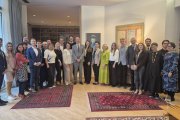
The organisers brought together an engaged audience of researchers of different generations from different countries, united by a shared idea: searching for new ways to preserve linguistic heritage, including with the help of artificial intelligence.
What was said in closing
Given LRL’s experience in corpus linguistics, language technologies and the digital humanities, cooperation with French colleagues will be valuable — especially for studying micro-processes of language contact, discursive constructions of identity, language practices among displaced groups, and linguistic expressions of war and displacement. Discussions of the most important points of contact lie ahead.
Research Centre for the Sociology of Language
Source:
UzhNU Media Center
Other publications