UzhNU hosts a conference on the dynamics of Ukrainians’ language awareness amid war and migration
More than sixty experts from seven countries gathered in Uzhhorod to sum up a year and a half of research into how war is reshaping Ukrainians’ communicative behaviour.
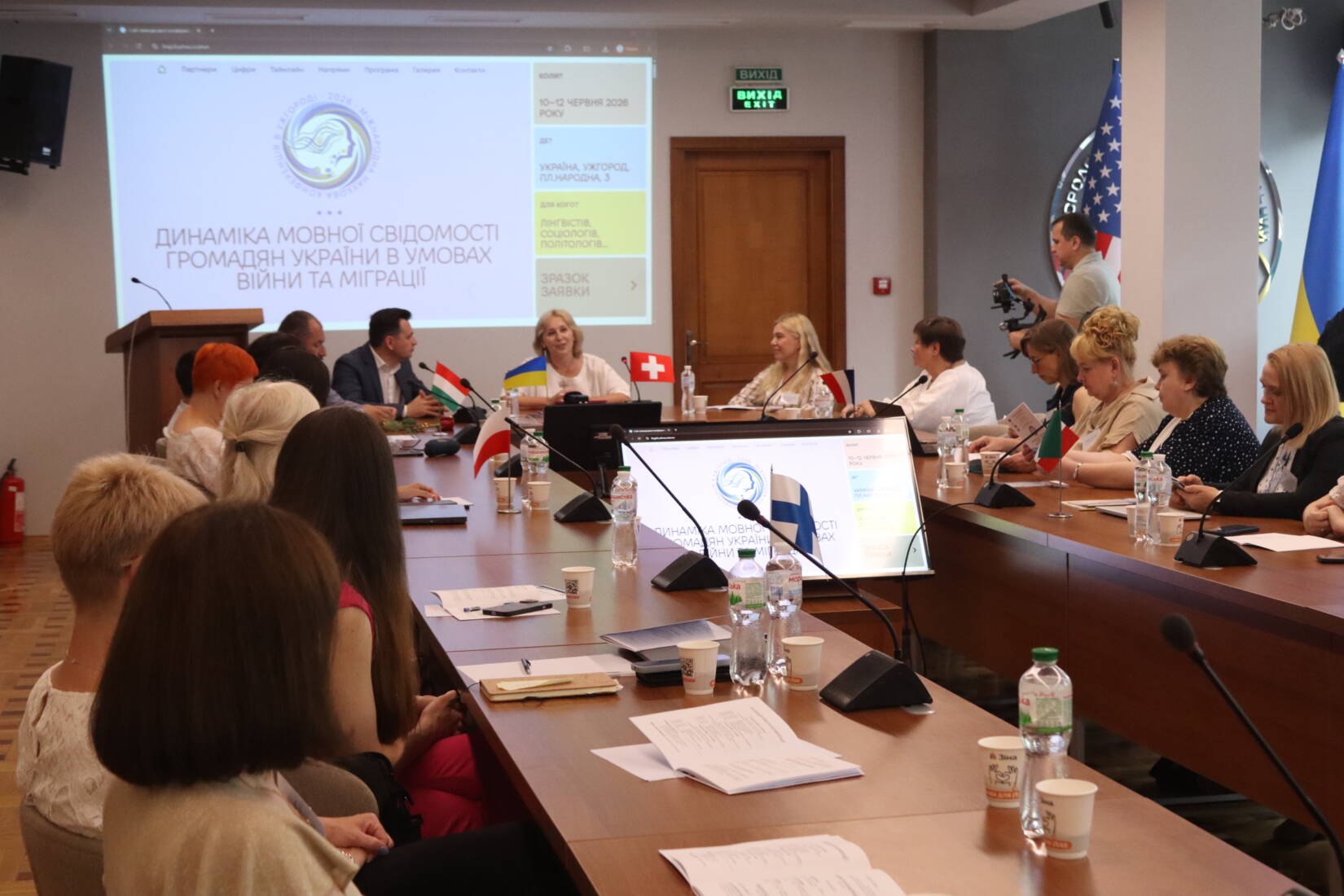
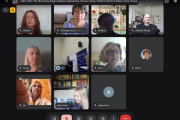
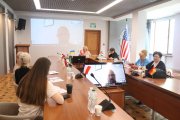
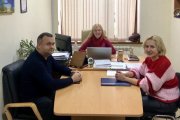
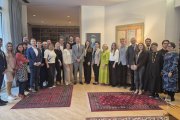
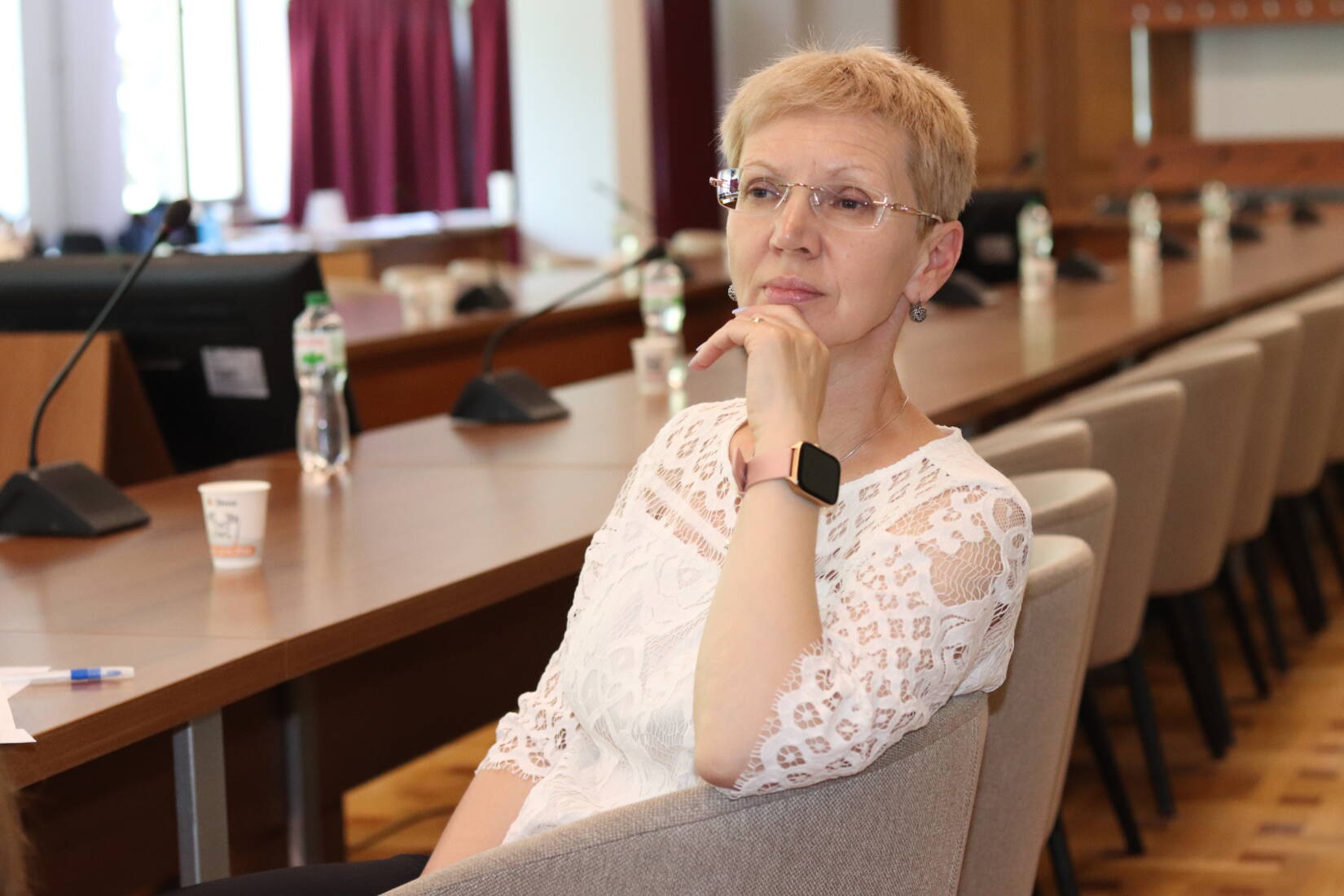
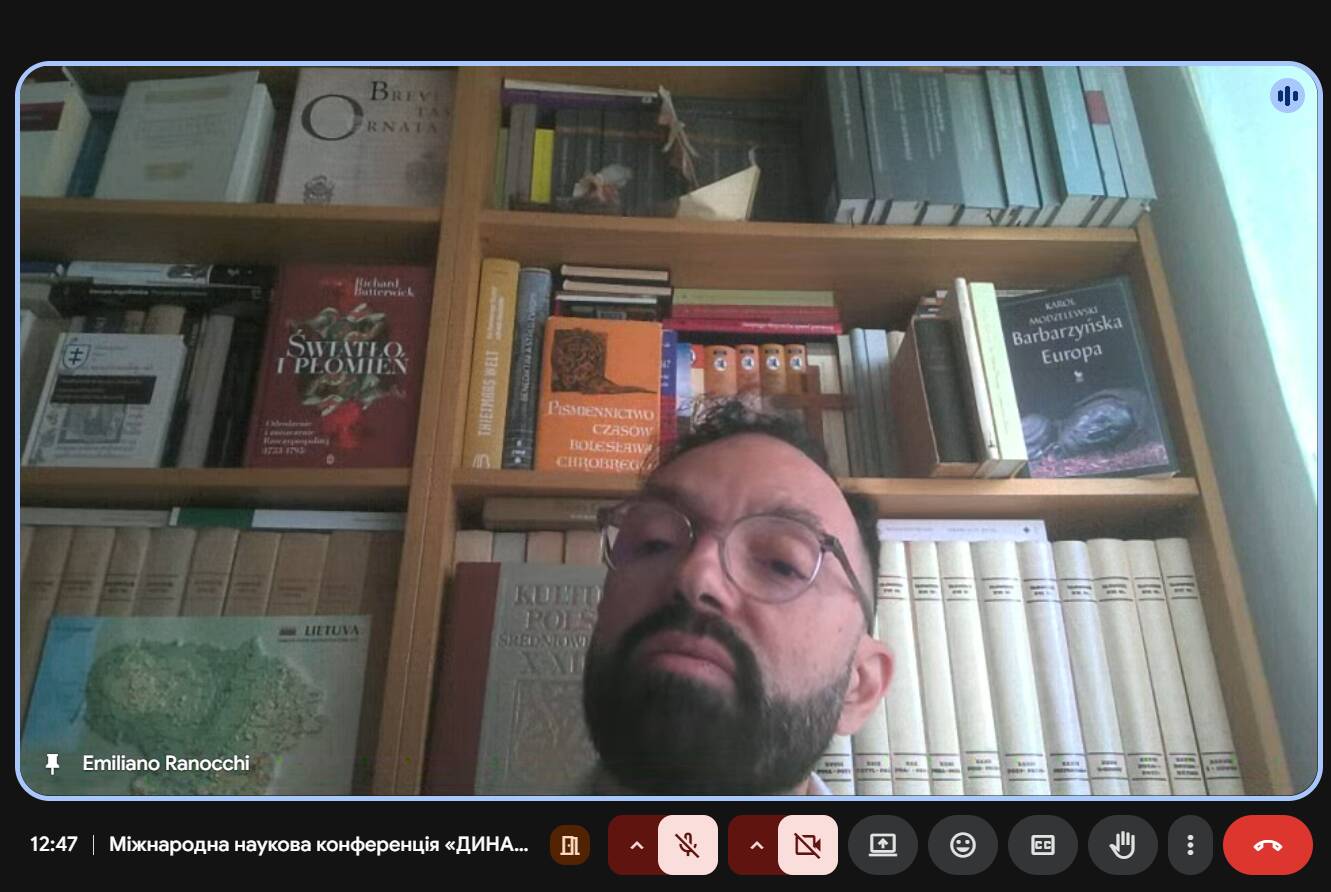
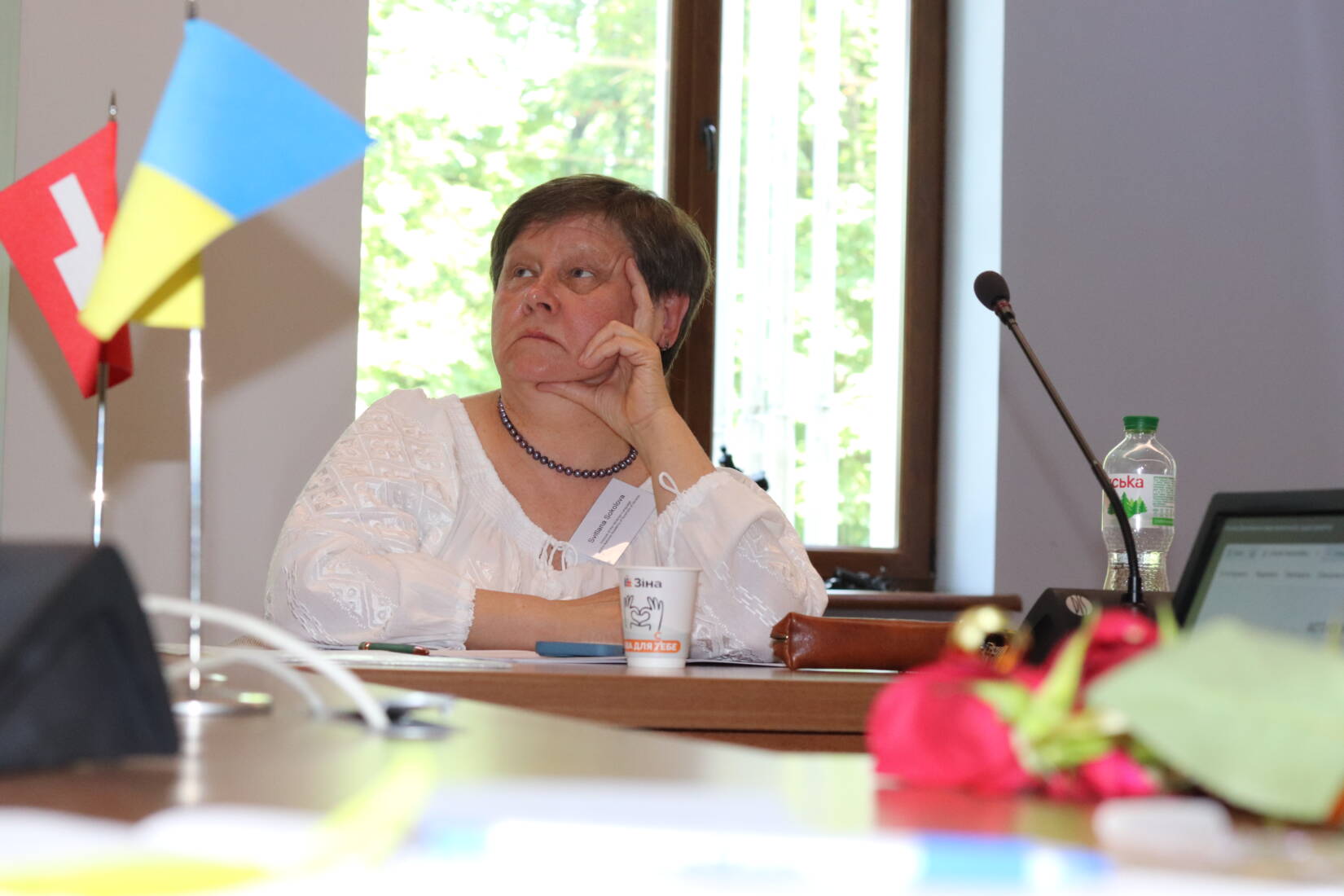
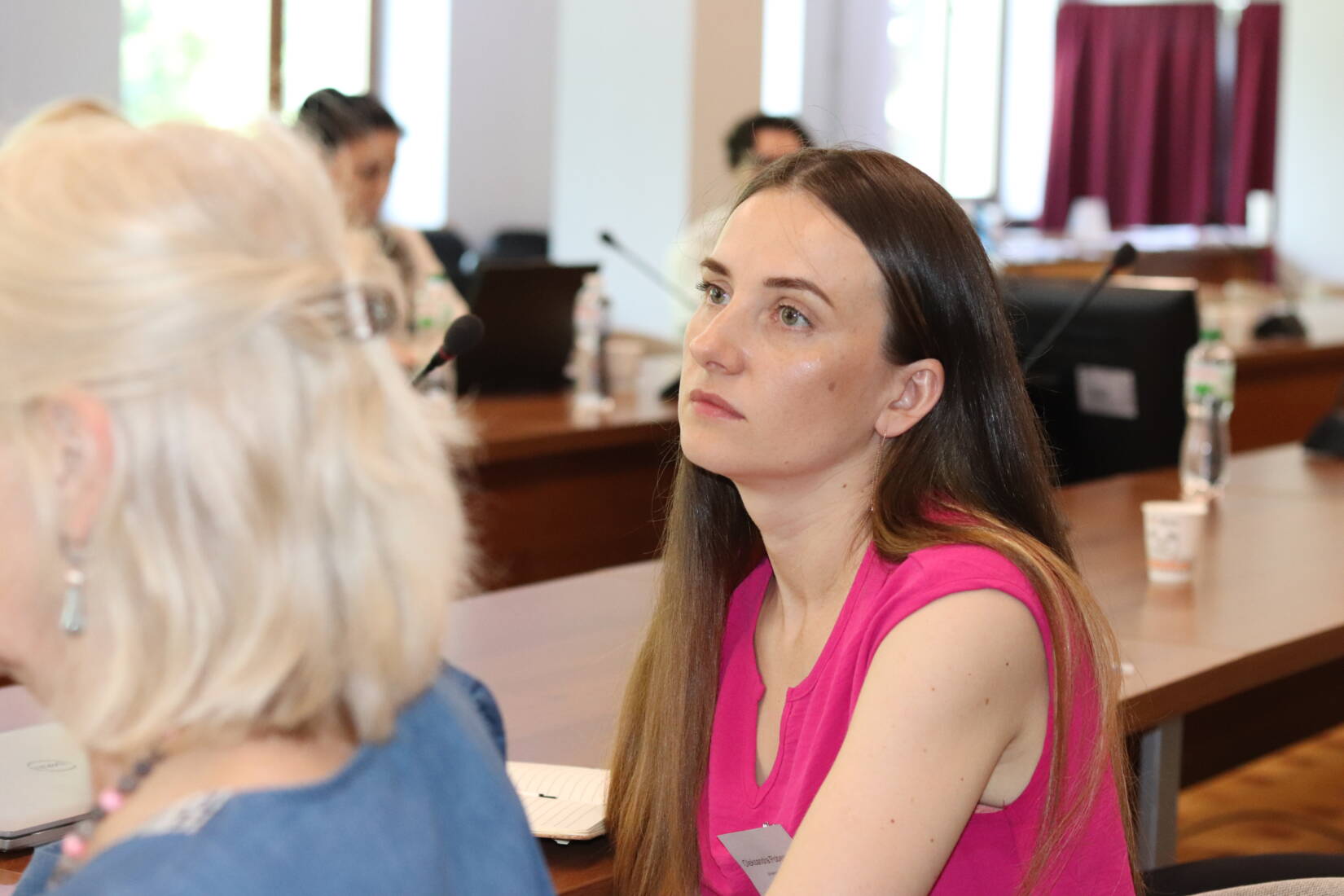
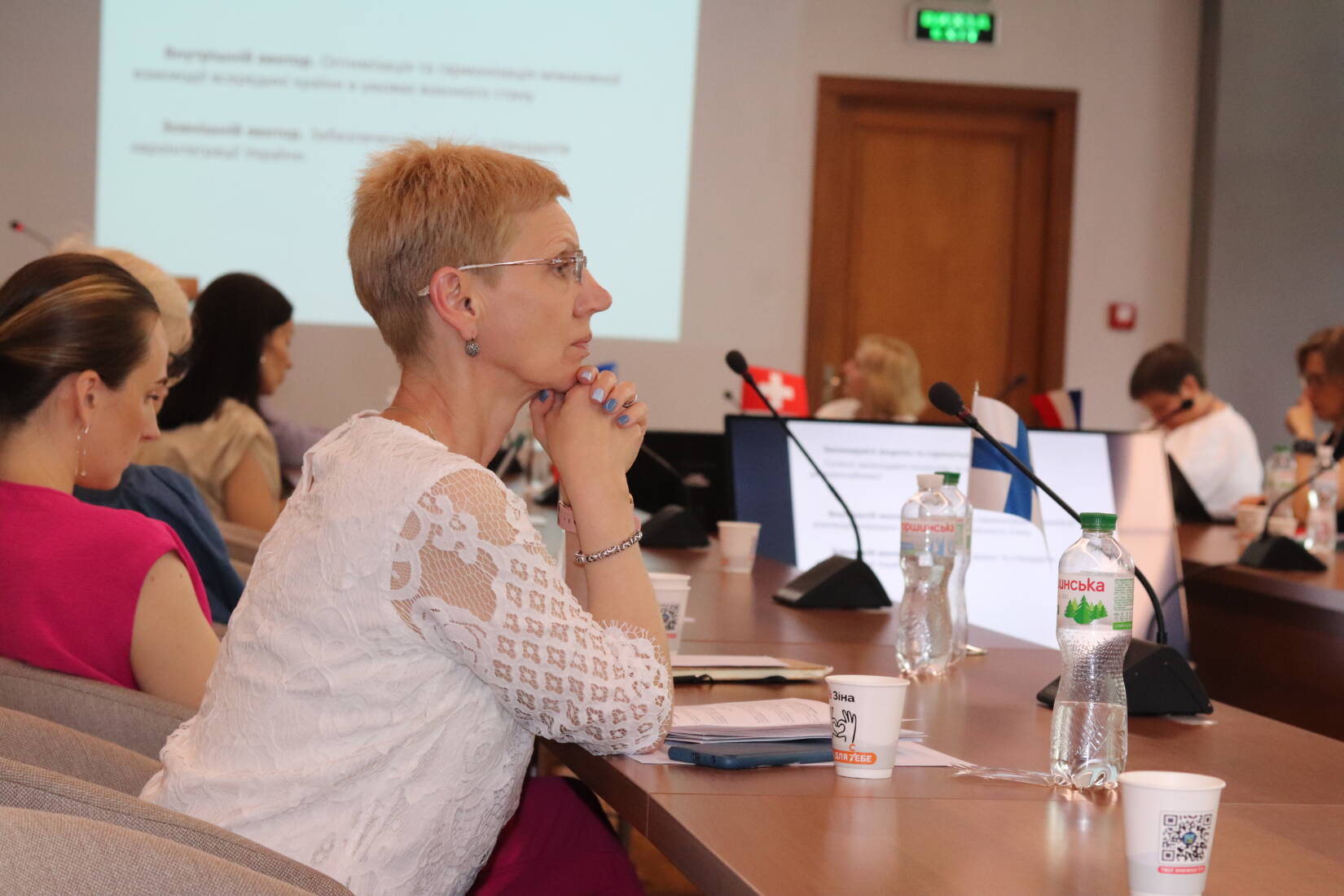
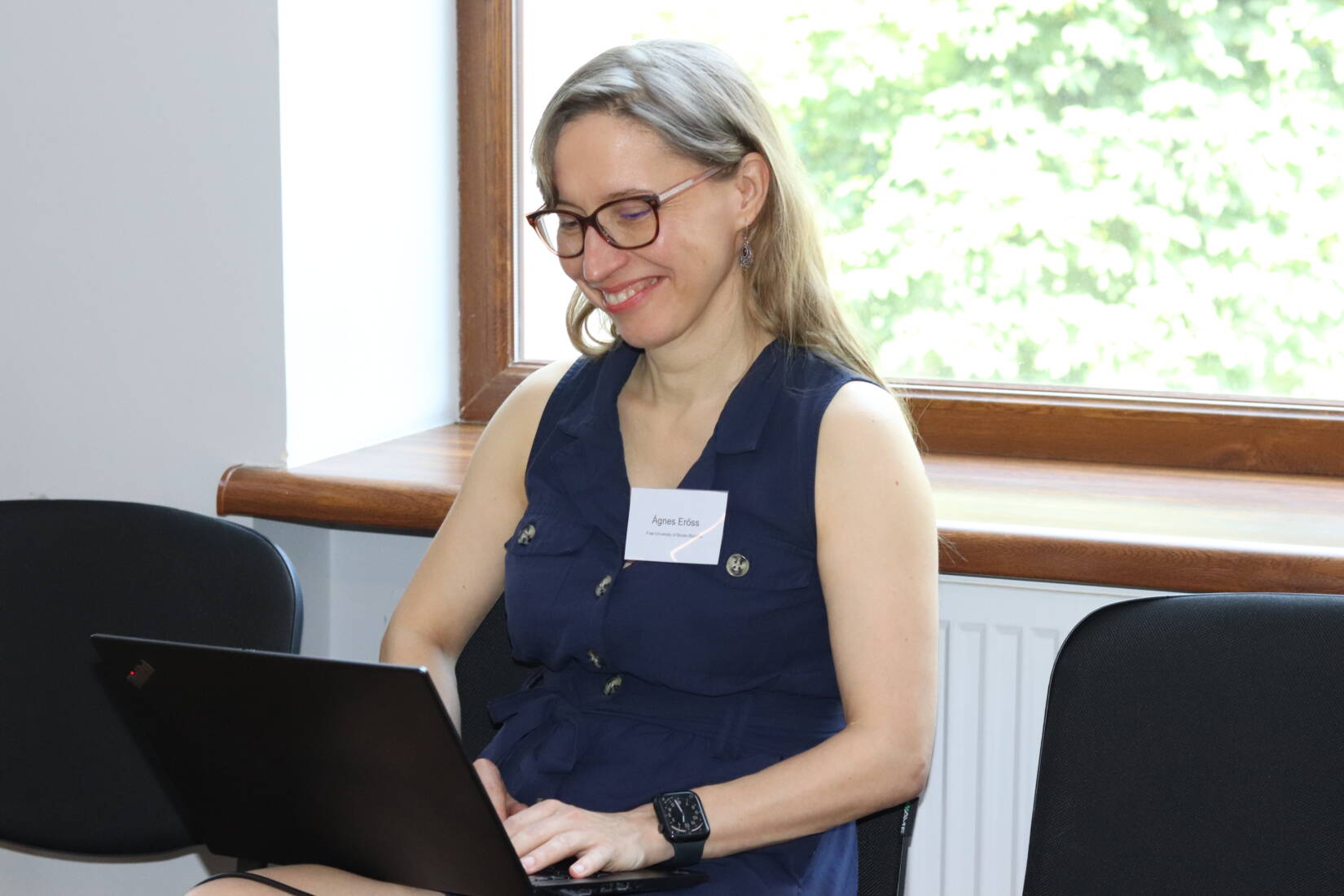
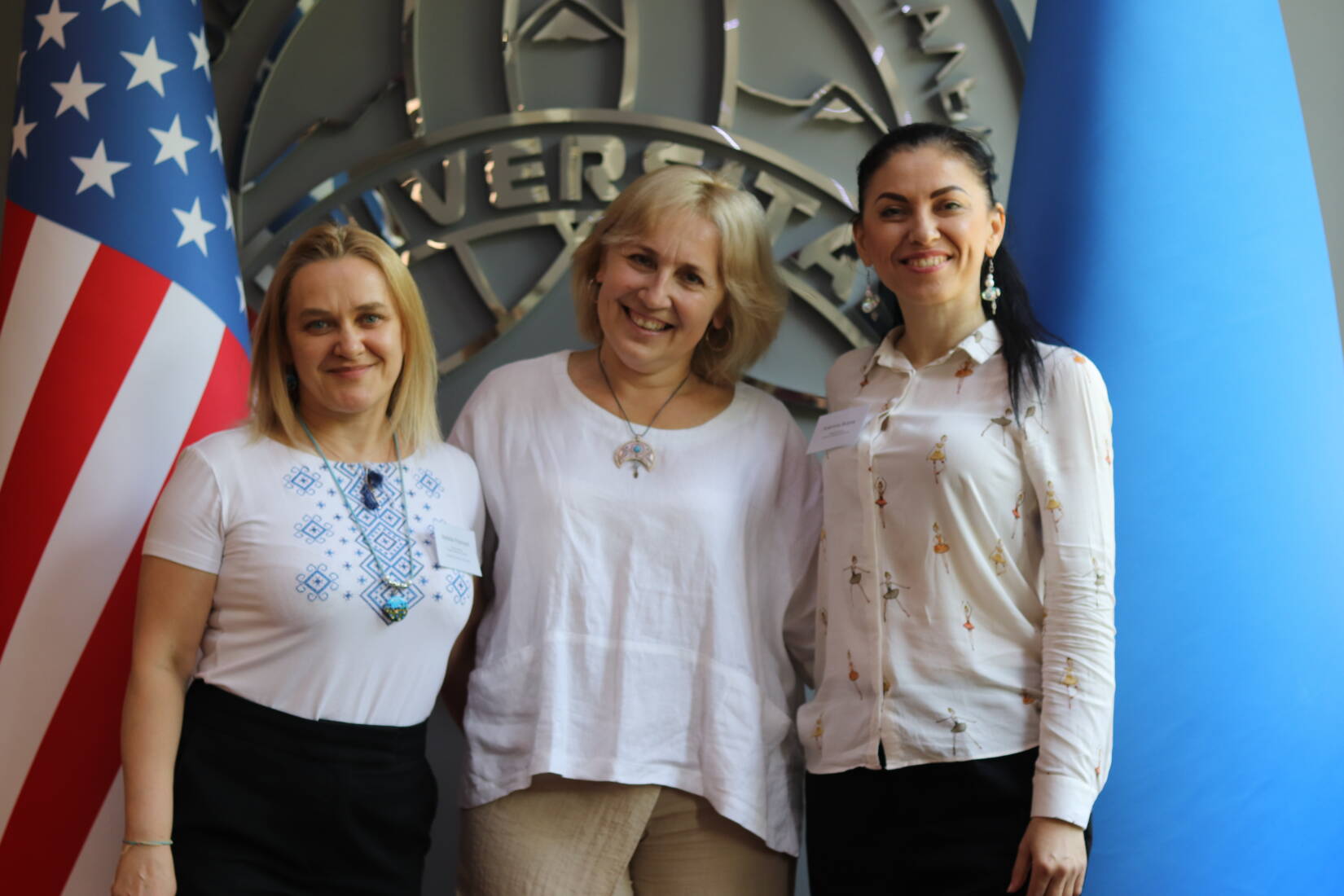
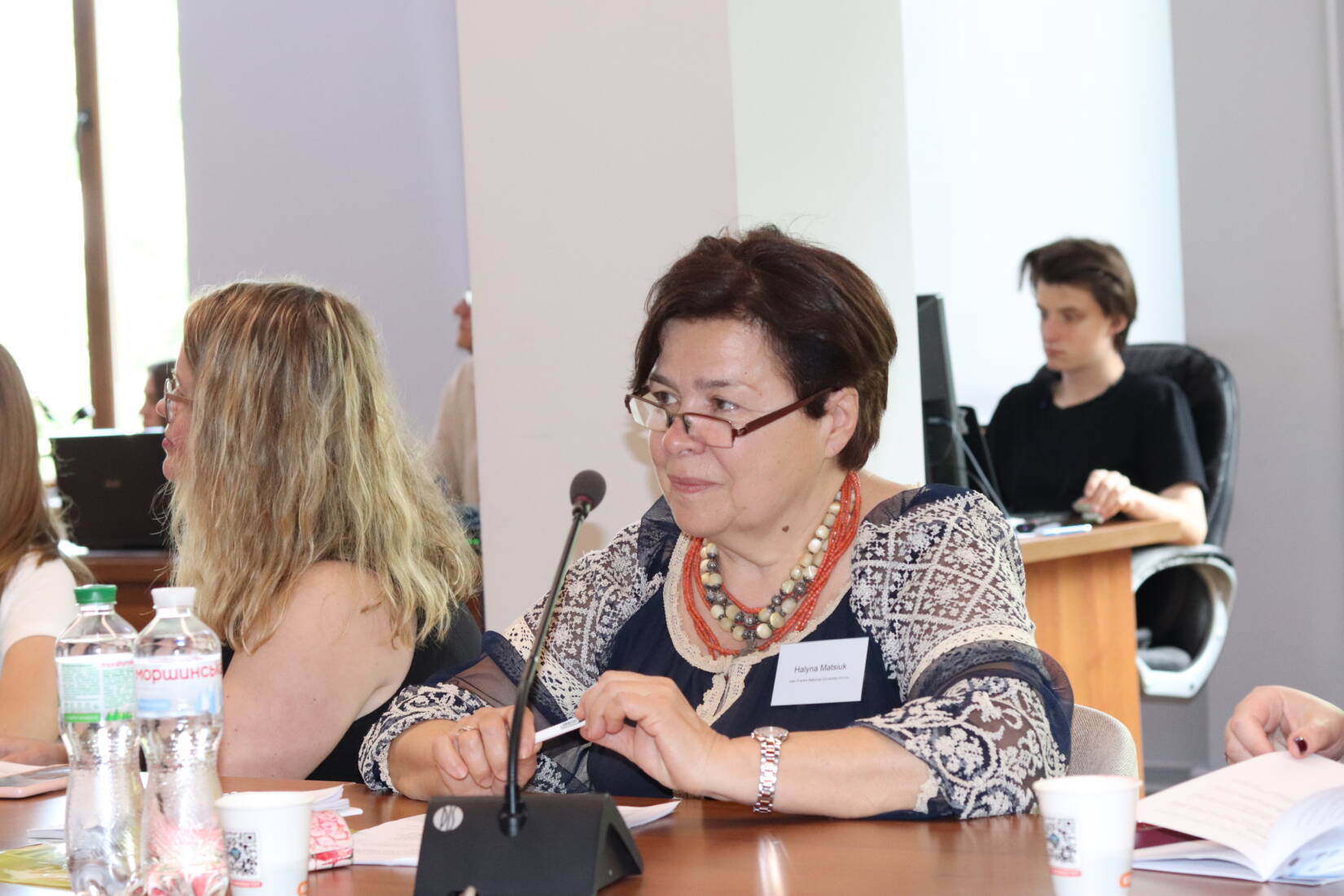
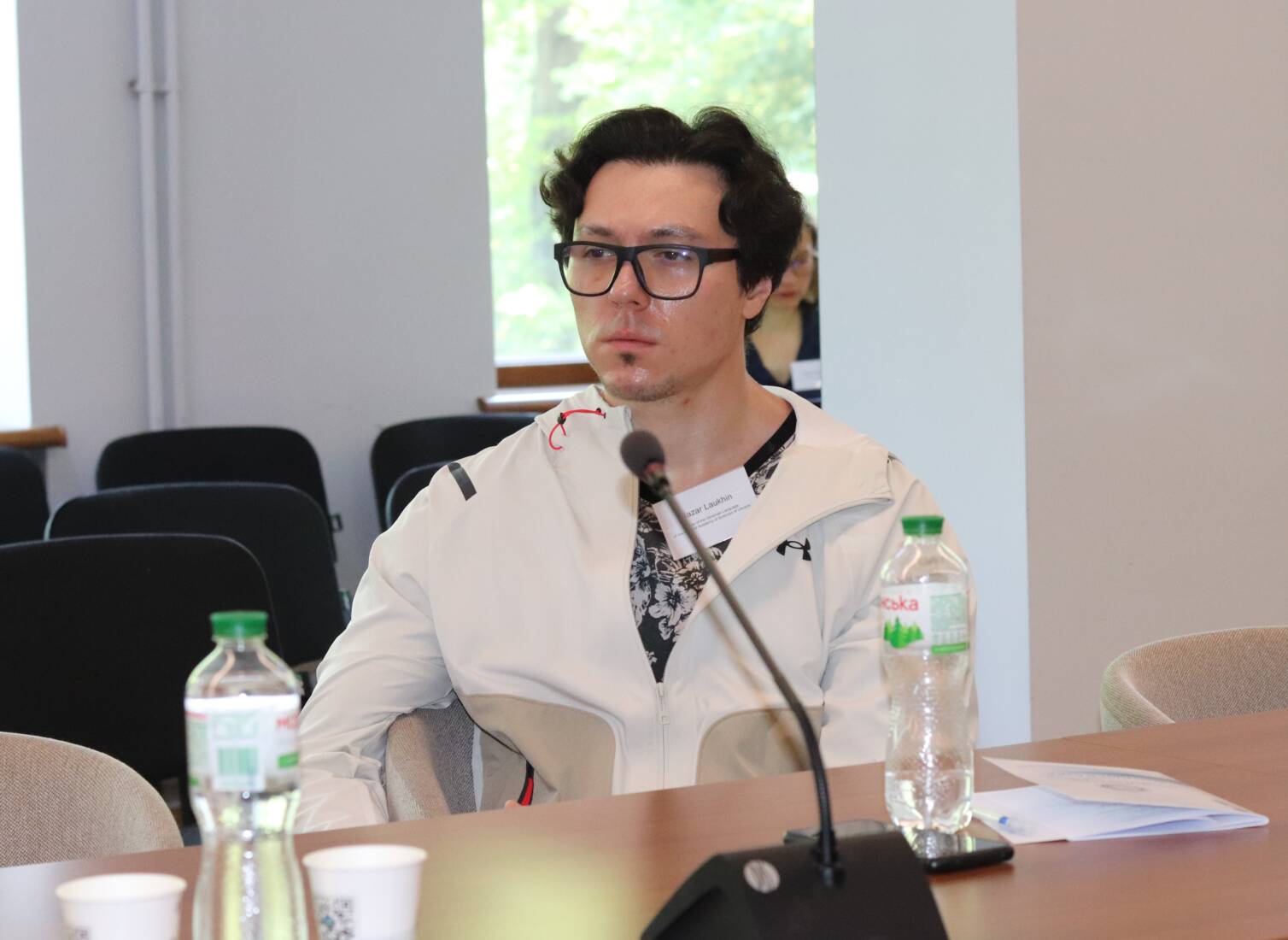
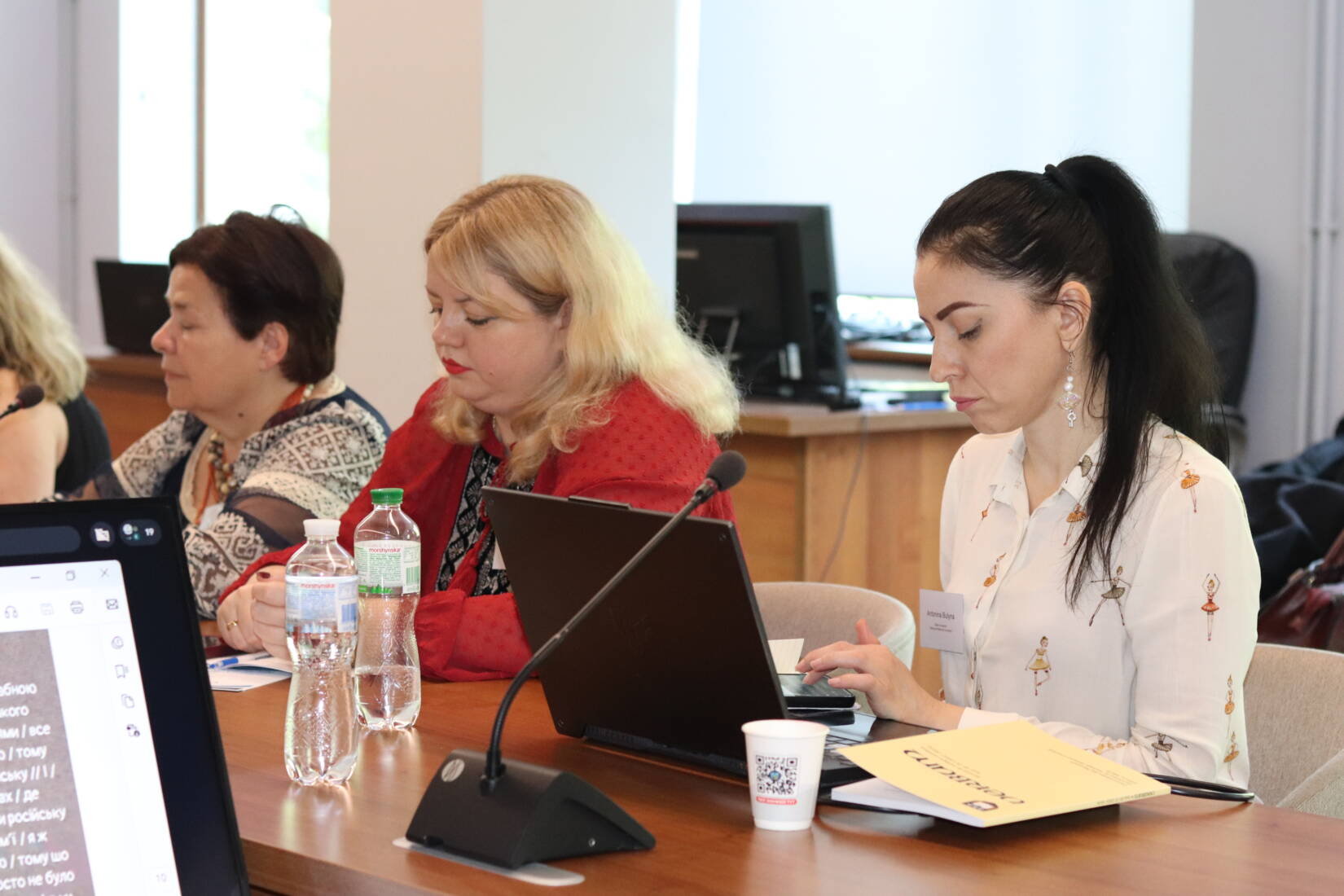
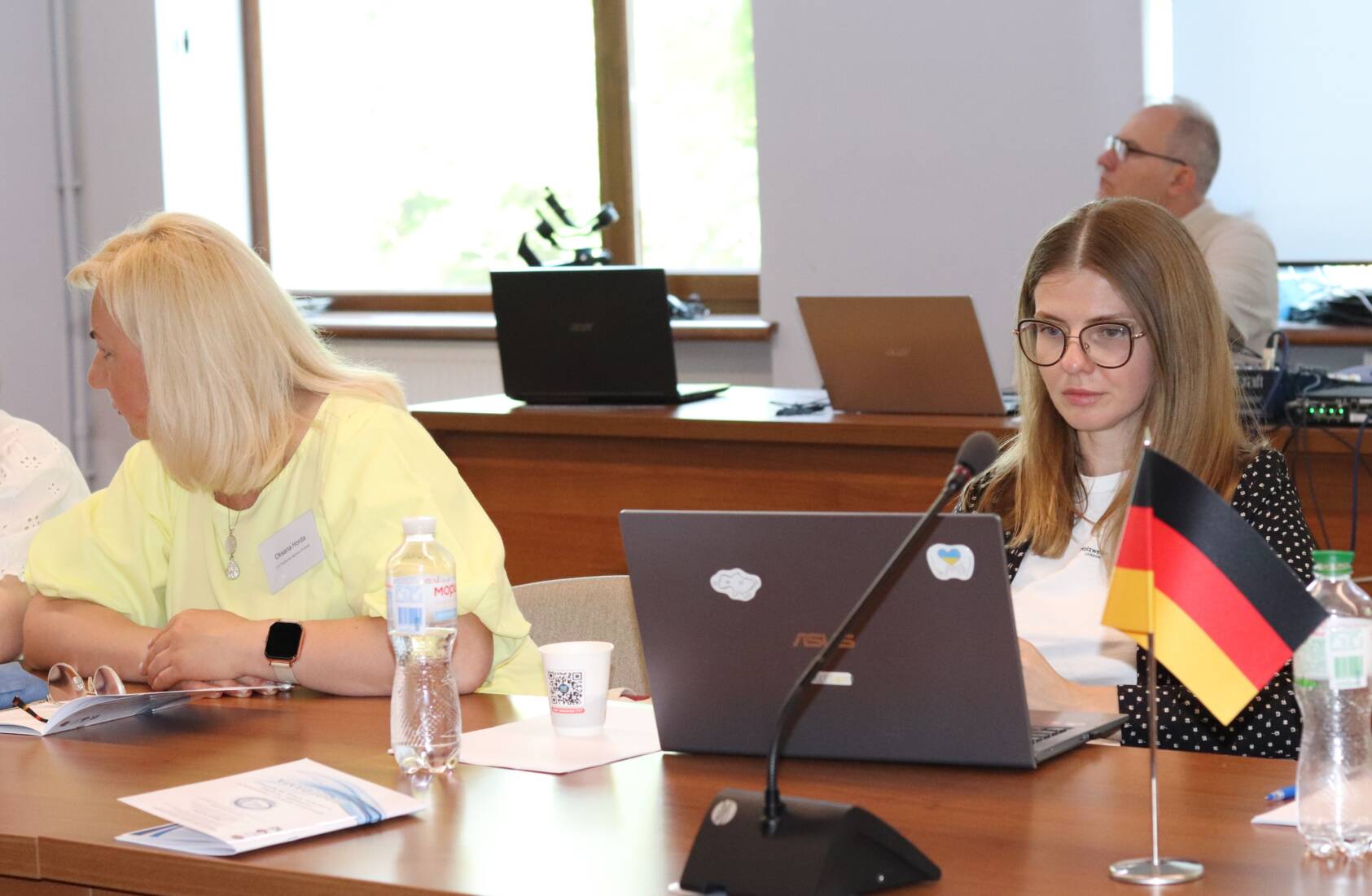
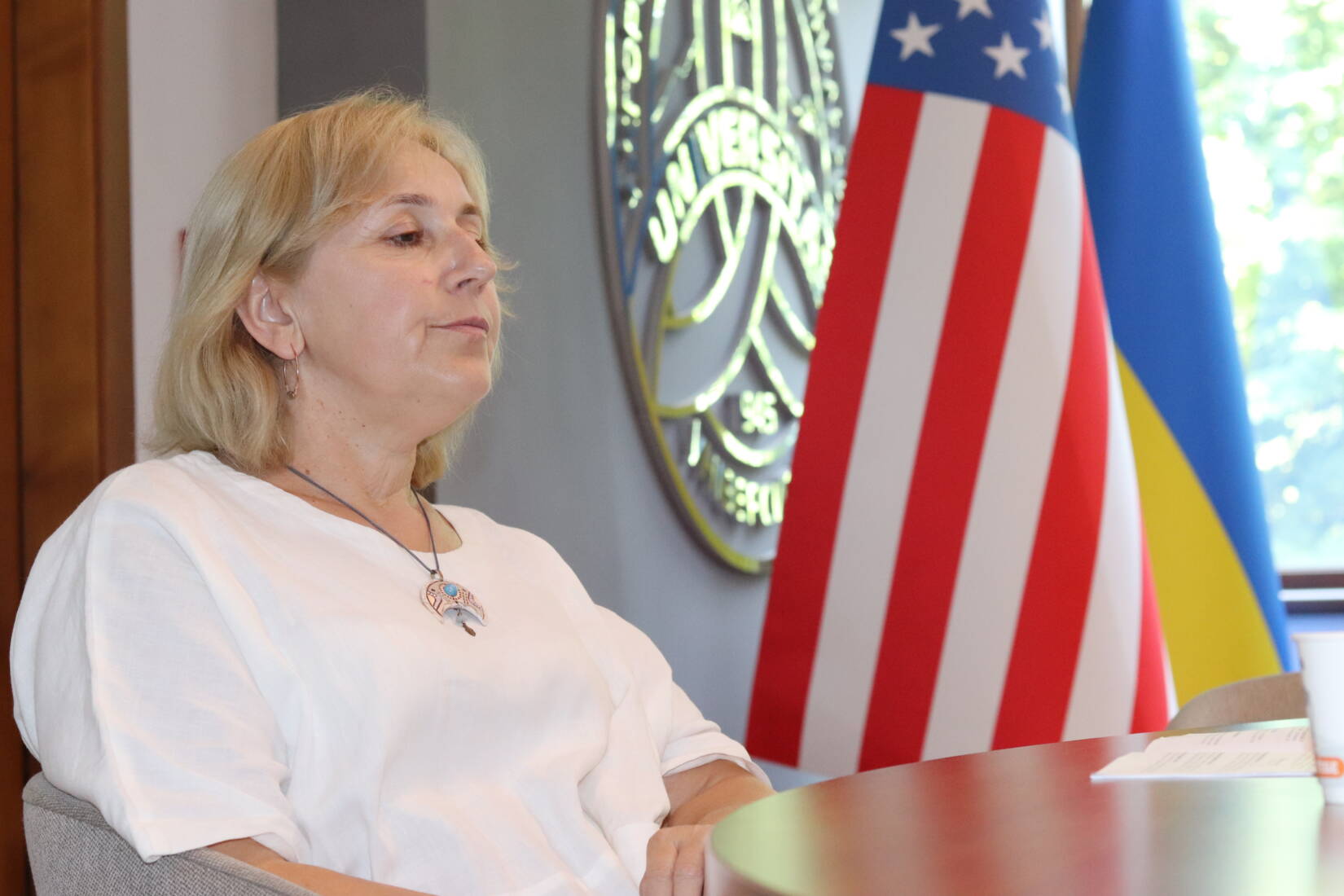
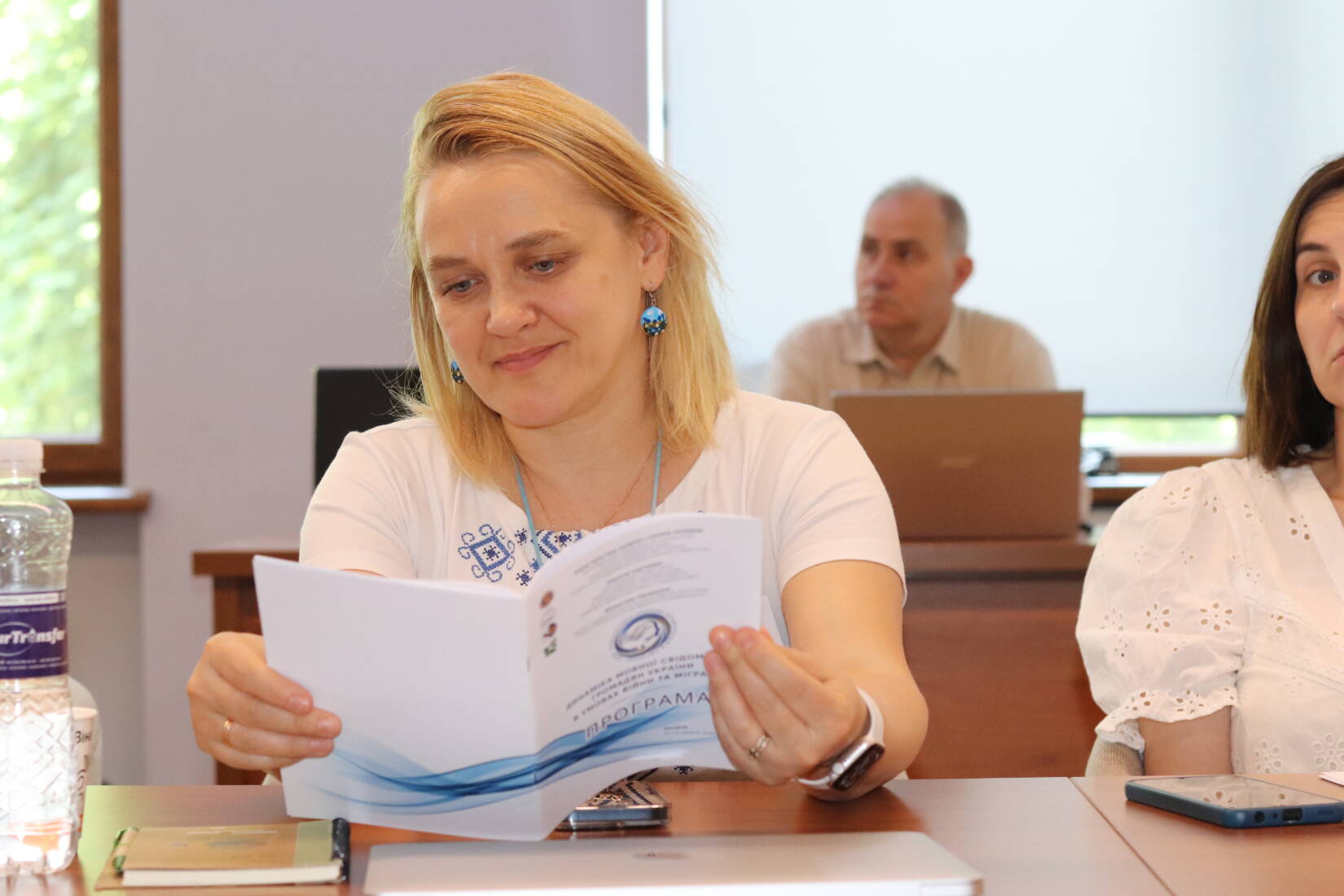
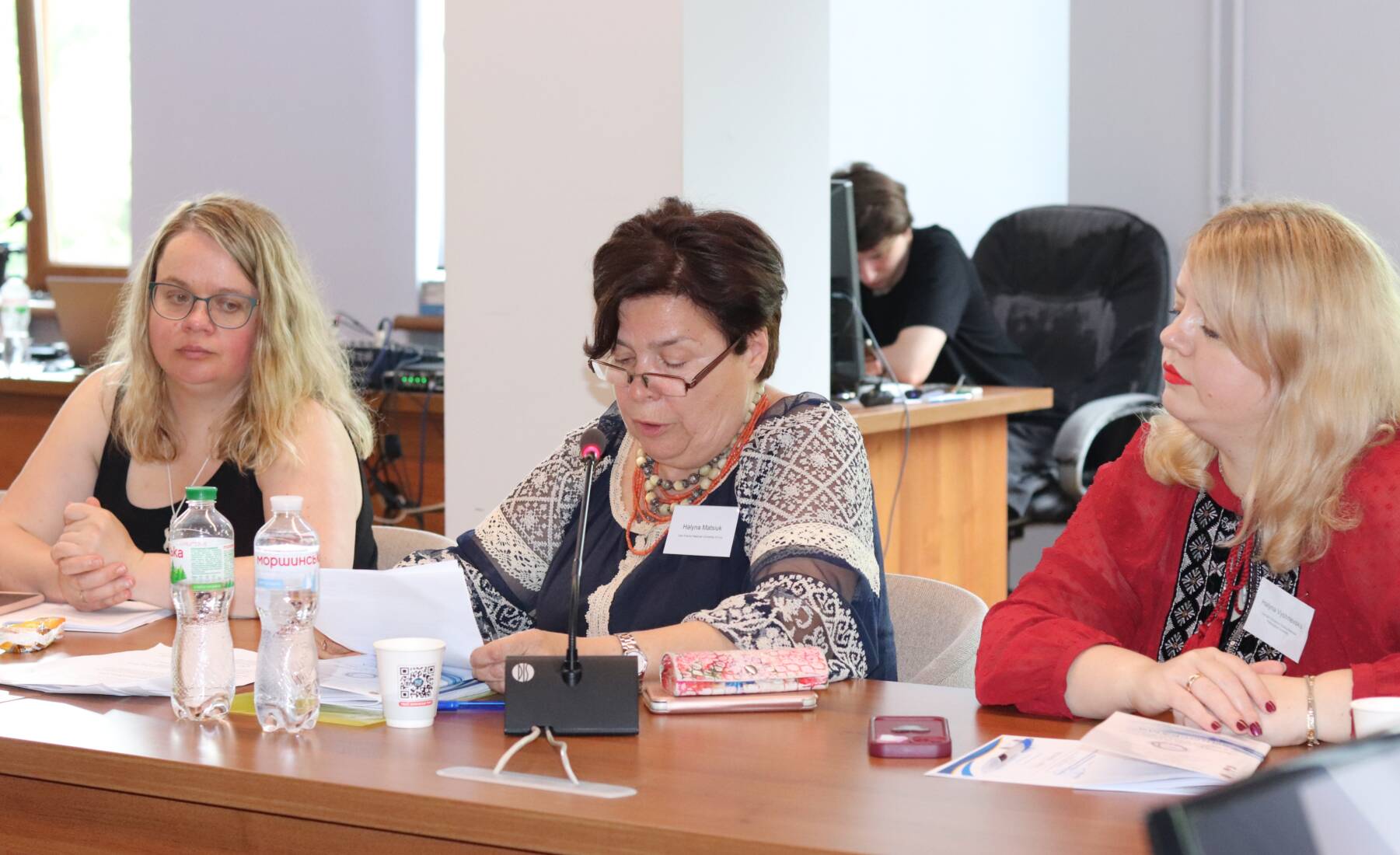
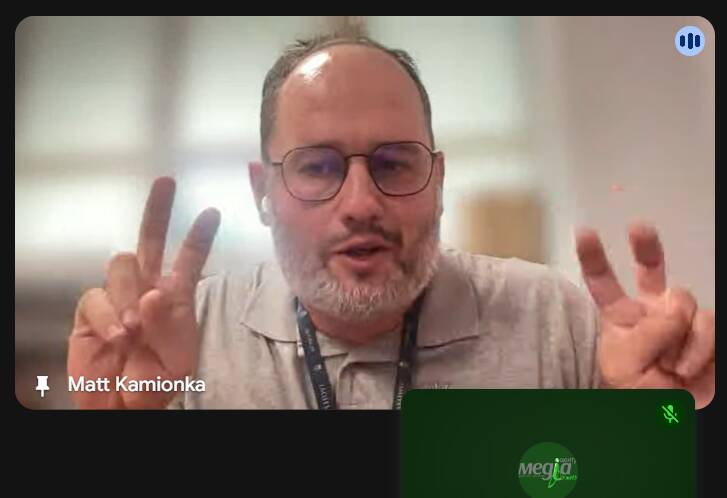
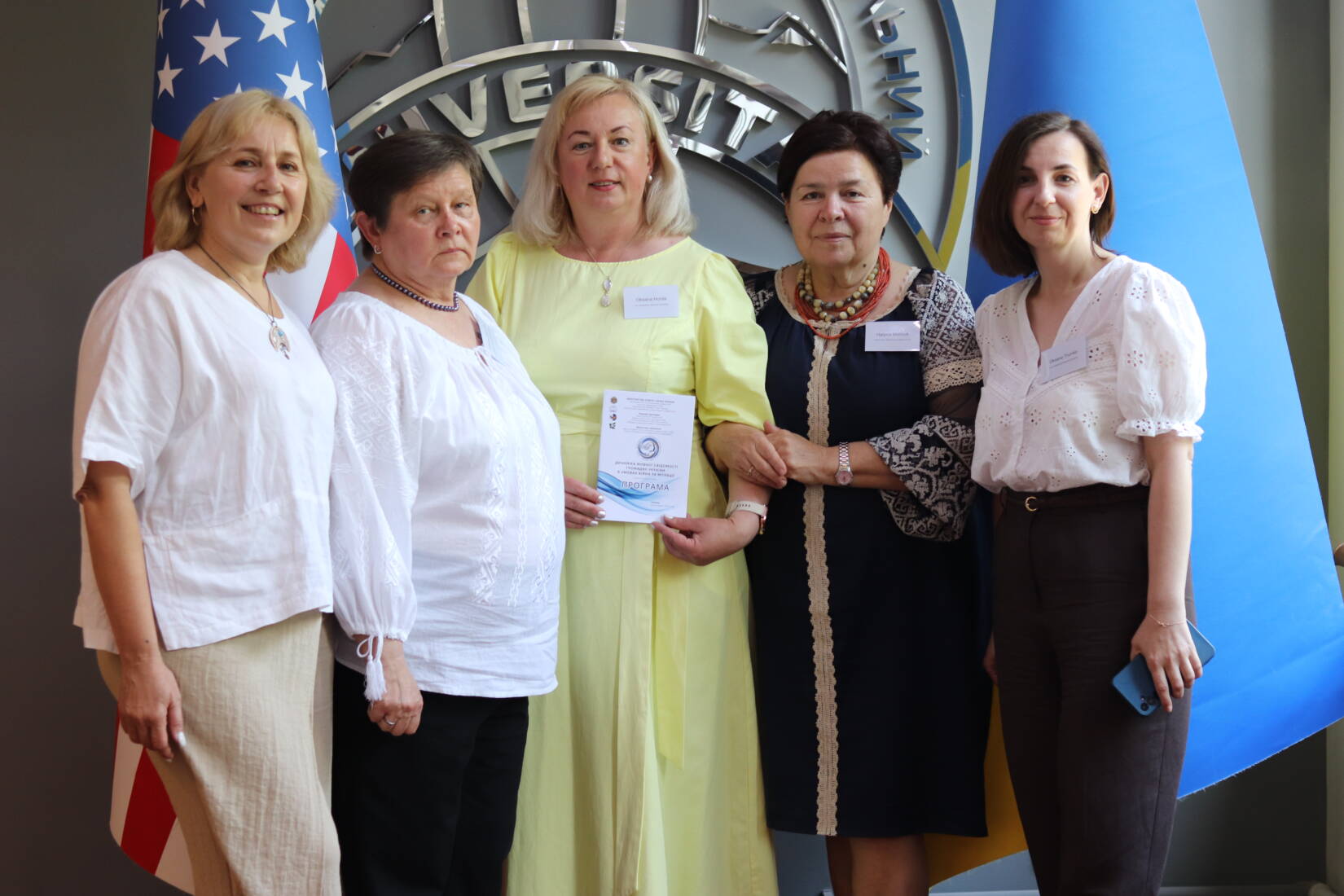
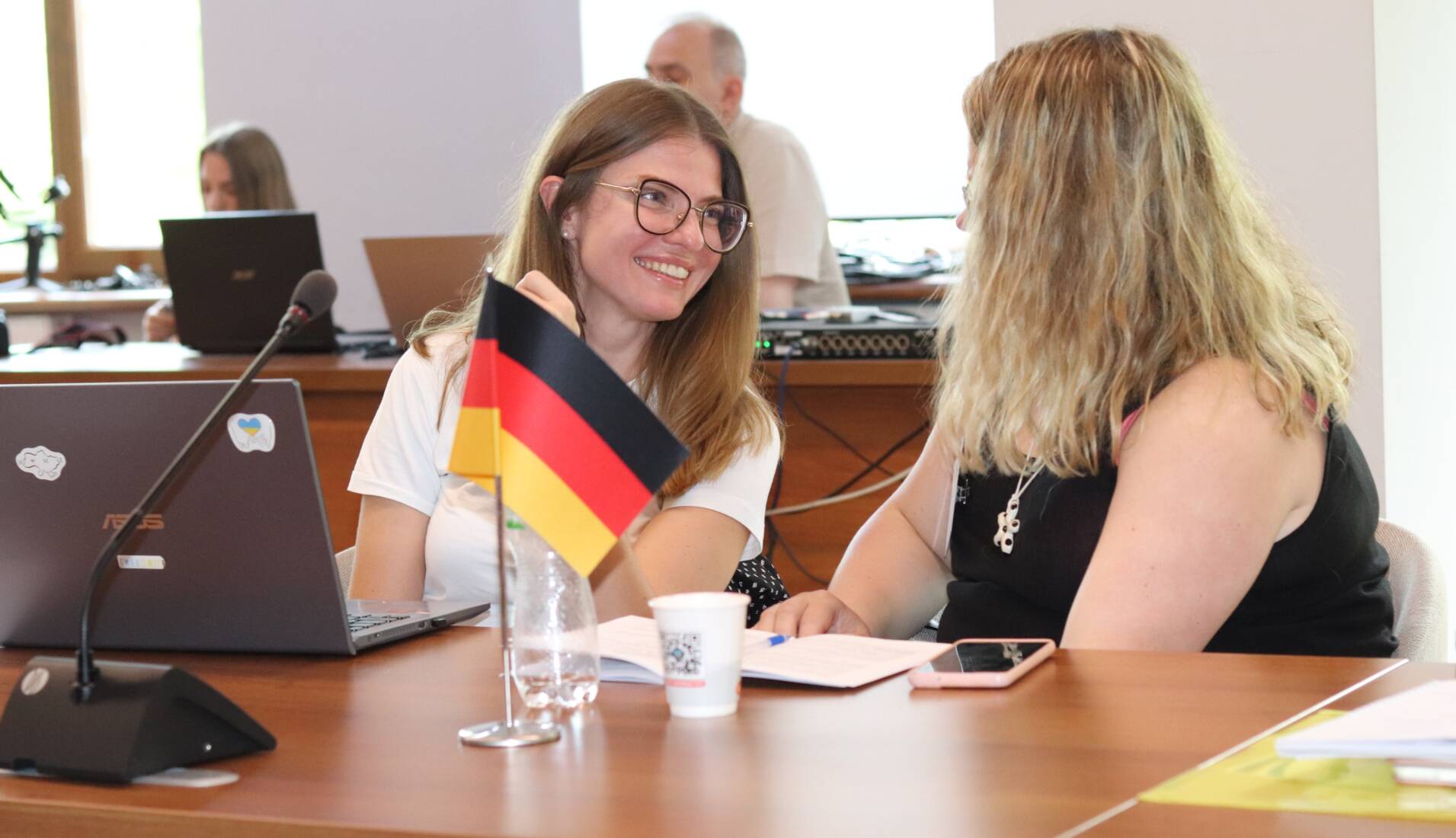
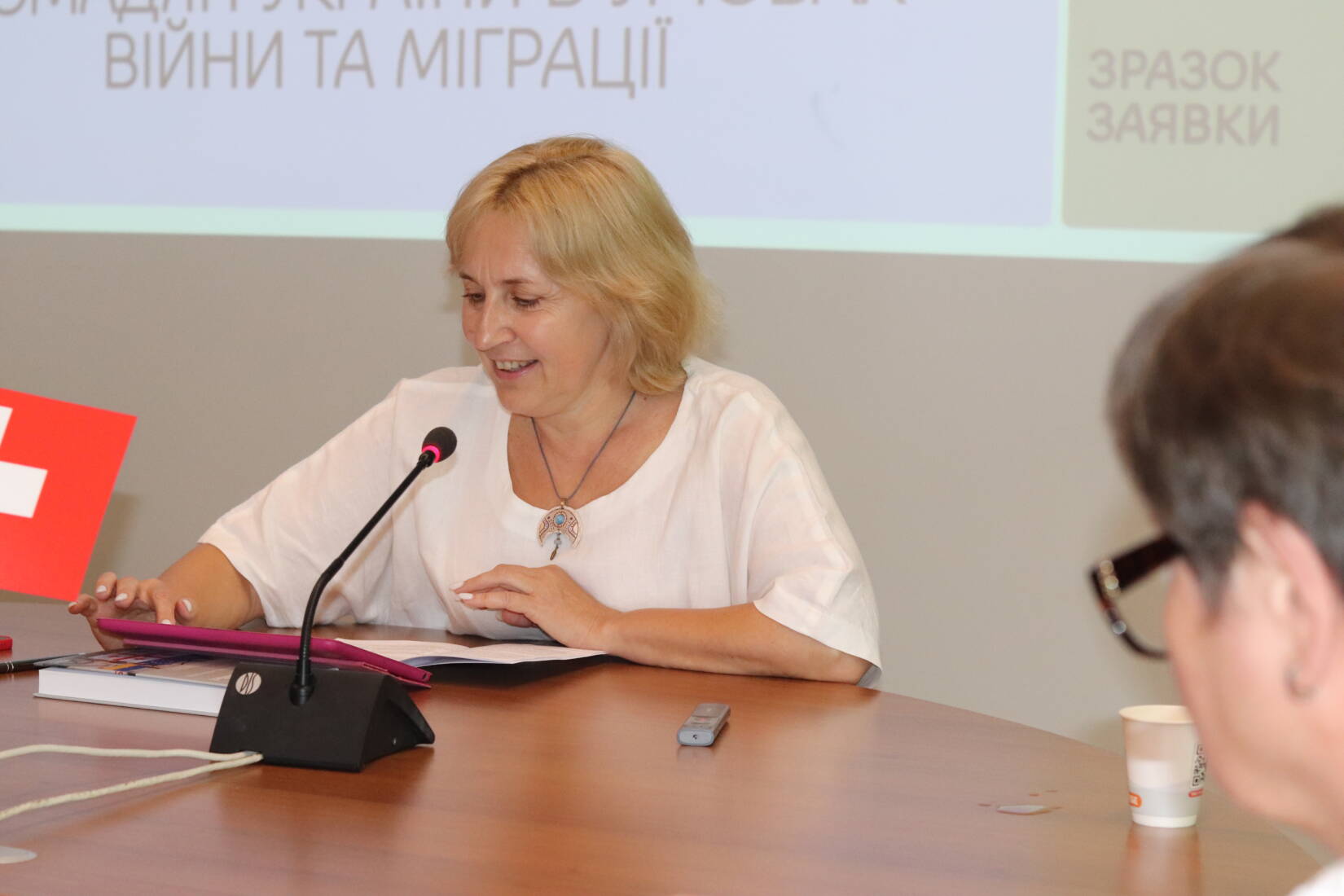
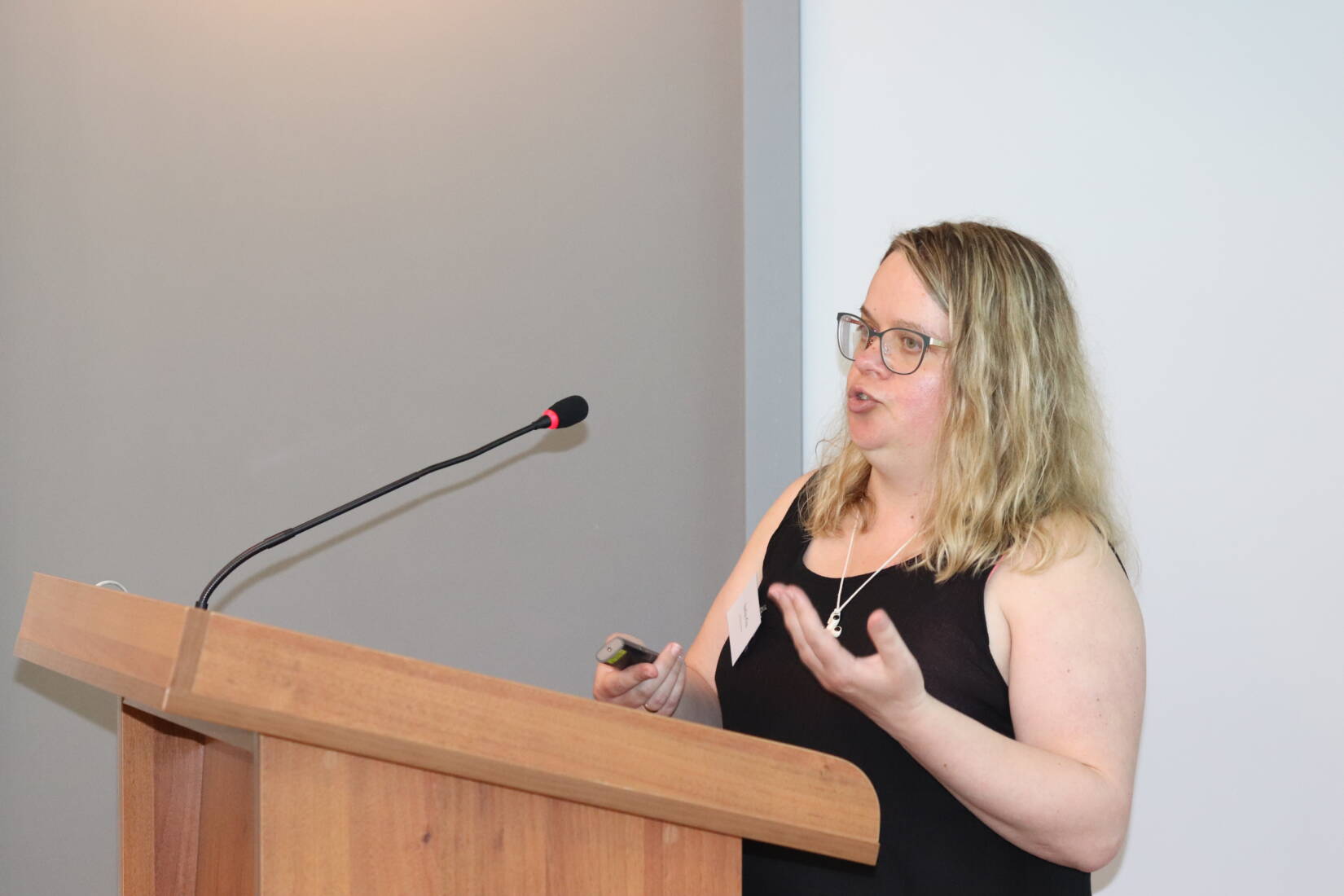
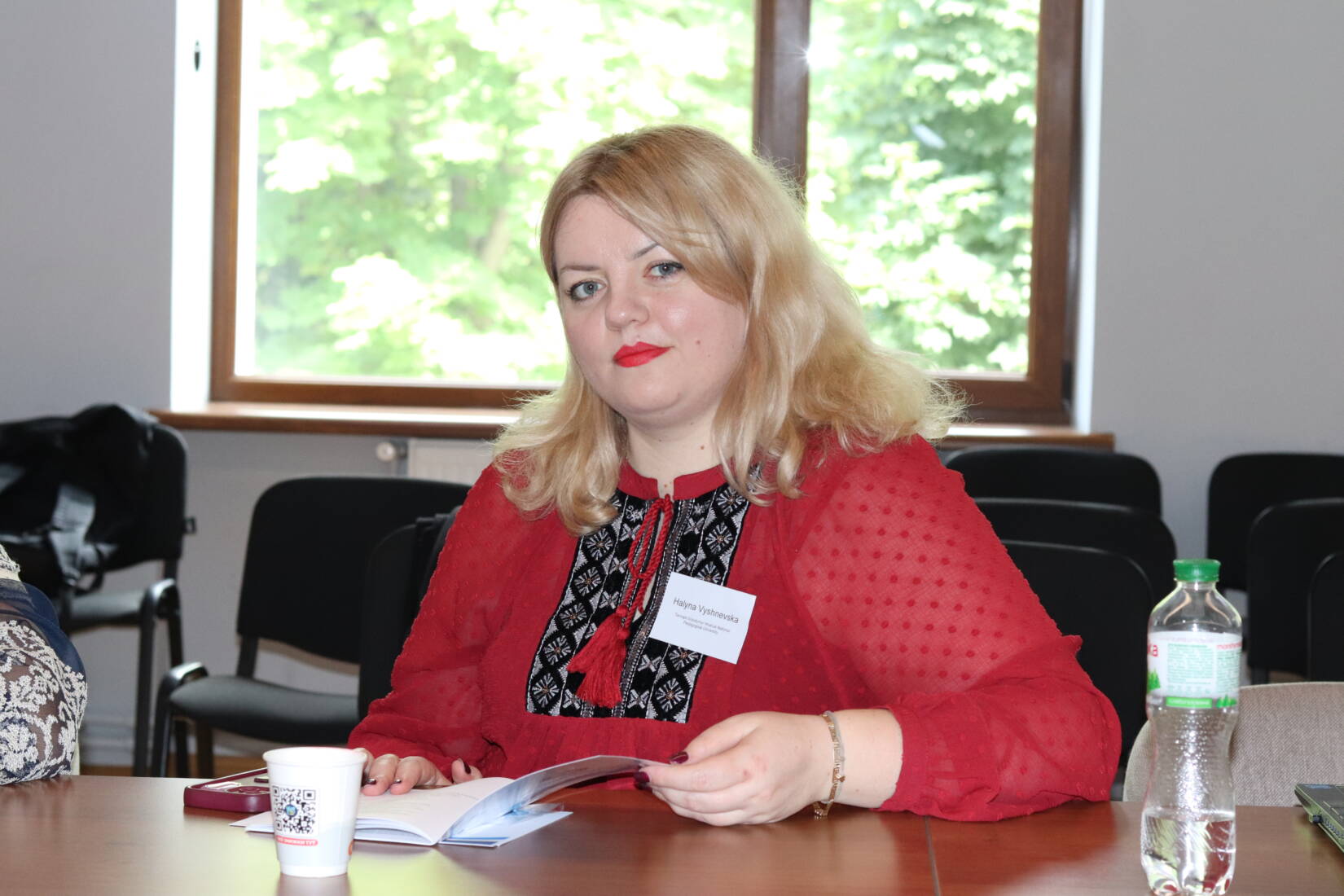
Uzhhorod National University has opened the International Academic Conference “Dynamics of Language Awareness of Ukrainian Citizens in the Conditions of War and Migration.” The event, running from 10 to 12 June, has brought together more than 60 participants from seven countries.
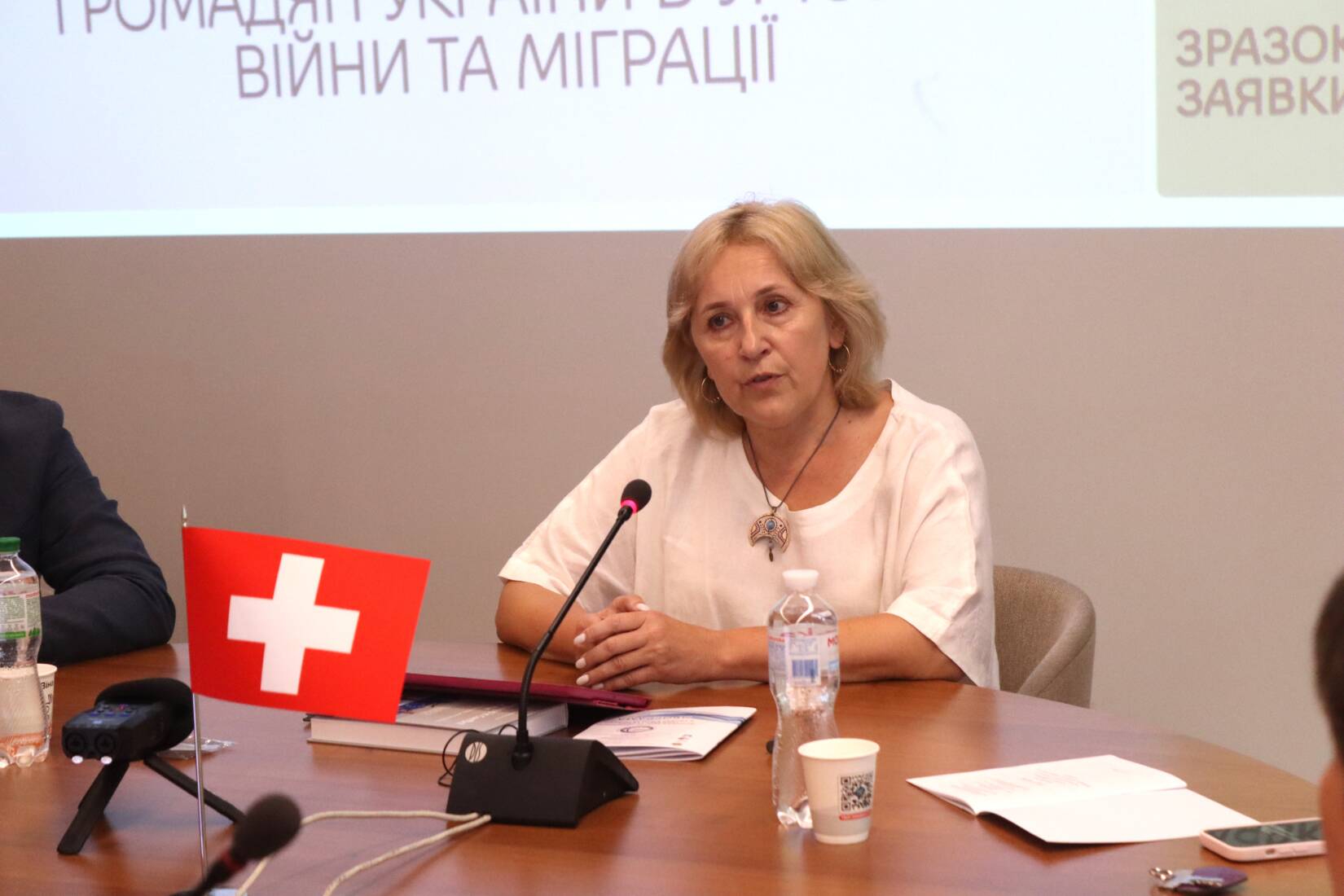
The conference summarises almost a year and a half of research. Its moderator, Head of the Research Centre for the Sociology of Language at UzhNU, Professor Halyna Shumytska, notes: “The conference focuses primarily on changes in the language behaviour and awareness of Ukrainians who have experienced forced migration, both within the country and abroad. Over the next three days we will present research findings, meet one another, and exchange scholarly results.”
Academic partners of the project include the Research Centre for the Sociology of Language at Uzhhorod National University; the Department of Stylistics, Language Culture and Sociolinguistics of the Institute of the Ukrainian Language of the NAS of Ukraine; and the Department of Ukrainian Language and Literature at Izmail State University of Humanities. They study the dynamics of language behaviour among residents of Zakarpattia, Odesa, Sumy and Kyiv regions. A separate strand addresses the linguistic and cultural adaptation of internally displaced persons and the transformation of regional linguistic landscapes under the impact of war.
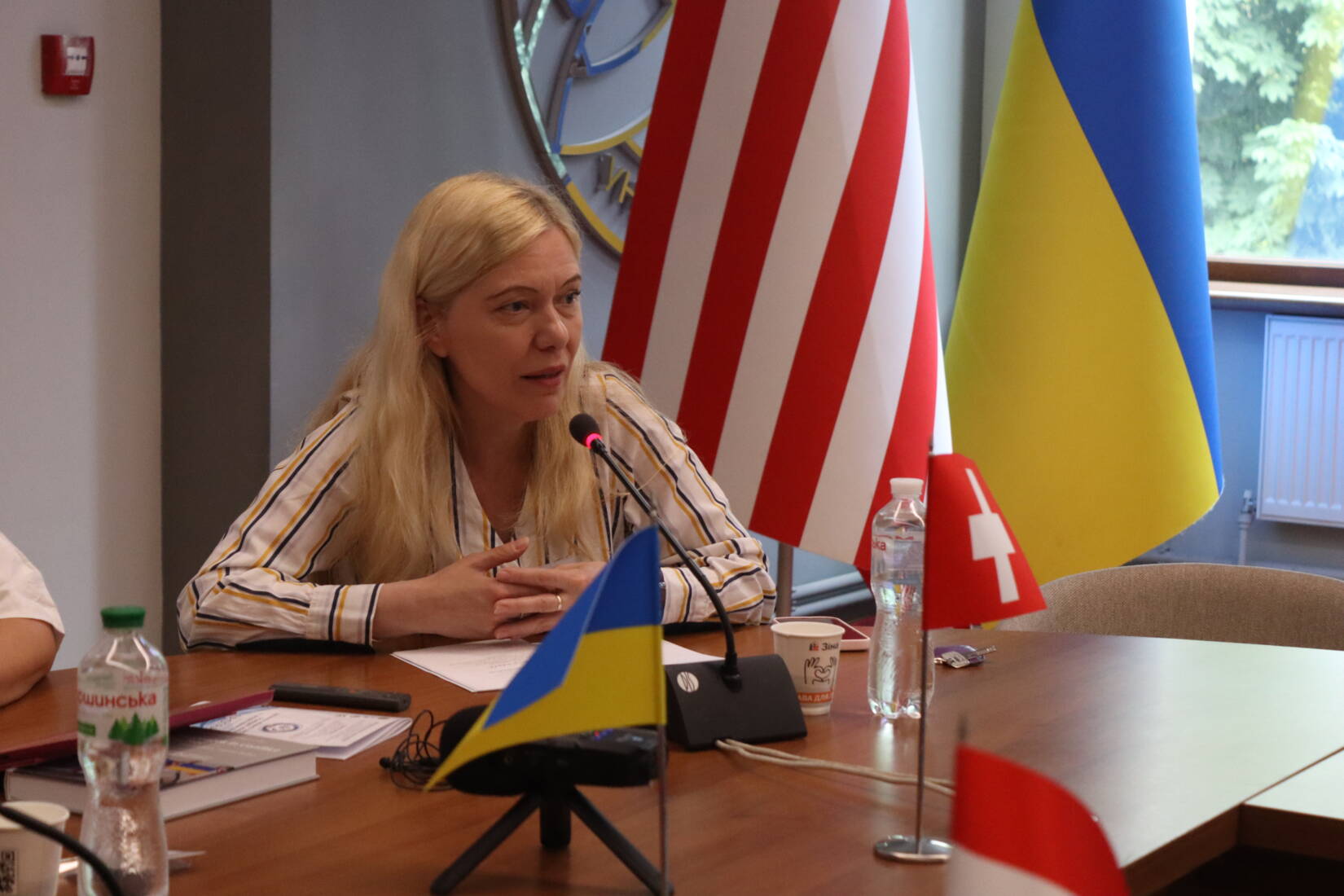
UzhNU Vice-Rector for Academic Affairs Myroslava Lendel emphasised: “The language question today is about preserving Ukrainian identity and, at the same time, about finding consensus with neighbouring countries. Ukraine has many representatives of national minorities, while many Ukrainians live in other states. Such multiethnicity enriches our society and strengthens the state. This is especially visible now, during the full-scale invasion, when members of ethnic communities are defending our country.”
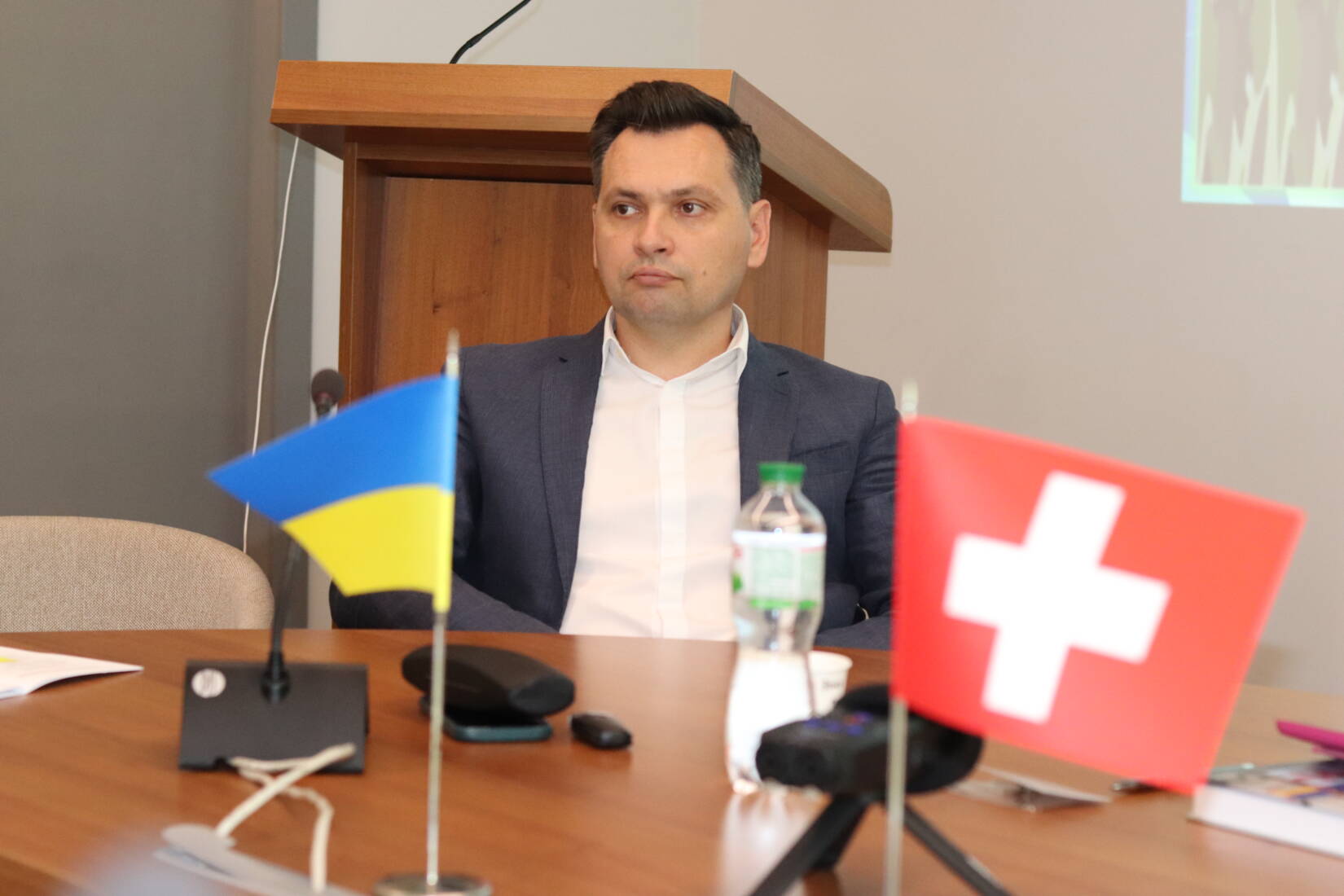
Financial support for the project was provided by the Center for Governance and Culture in Europe (GCE-HSG) at the University of St. Gallen (Switzerland).
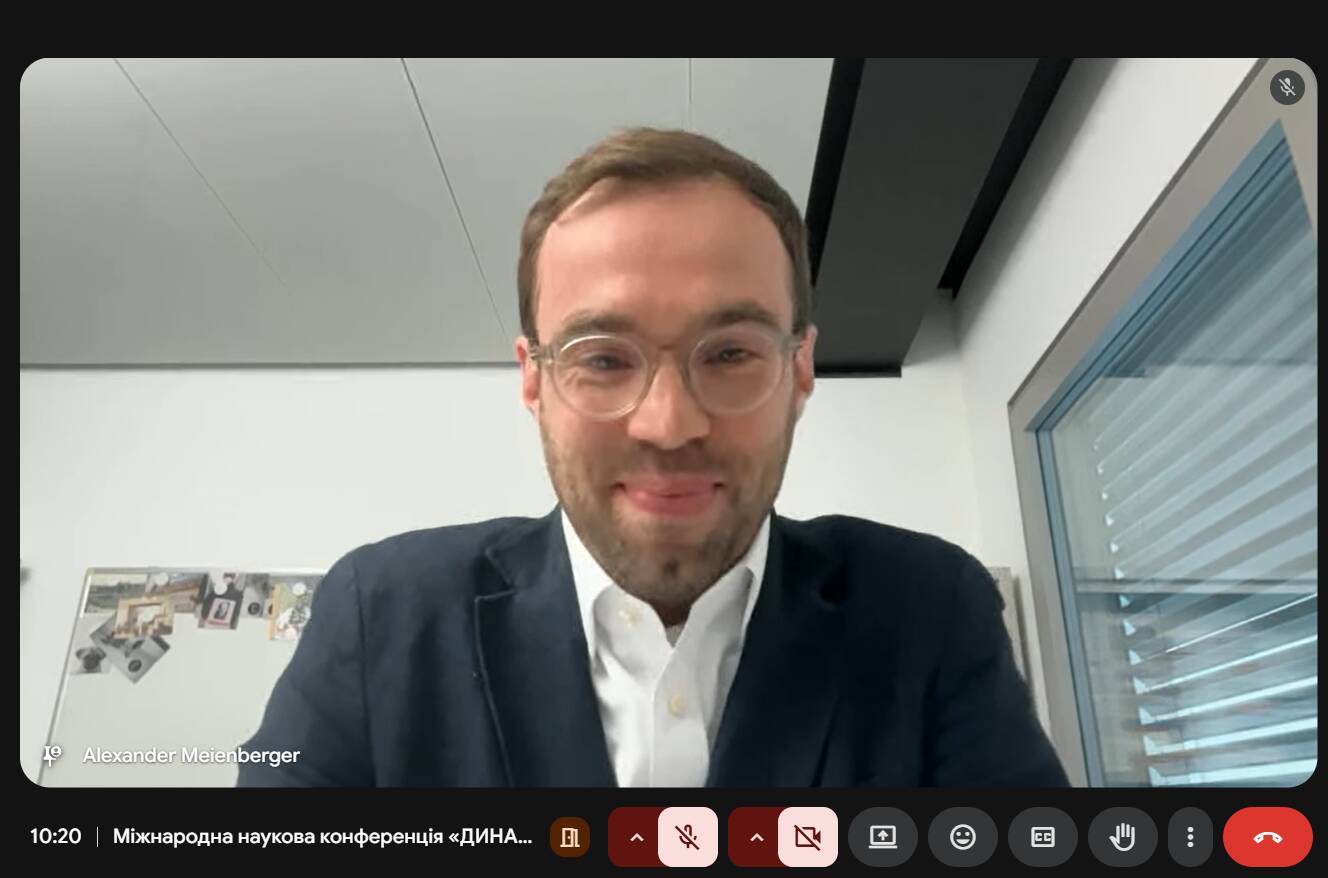
GCE-HSG Director General Alexander Meienberger stressed that since 2022 language in Ukraine has ceased to be a neutral means of communication. “In the context of Russia’s invasion of Ukraine, language has become a question of identity. It has acquired political and cultural significance. We see changes regarding the Ukrainian language across many spheres of public activity and private life. GCE sees its role in supporting such initiatives as part of a larger and long-term commitment to academic cooperation in Eastern Europe — even, and especially, during war.”
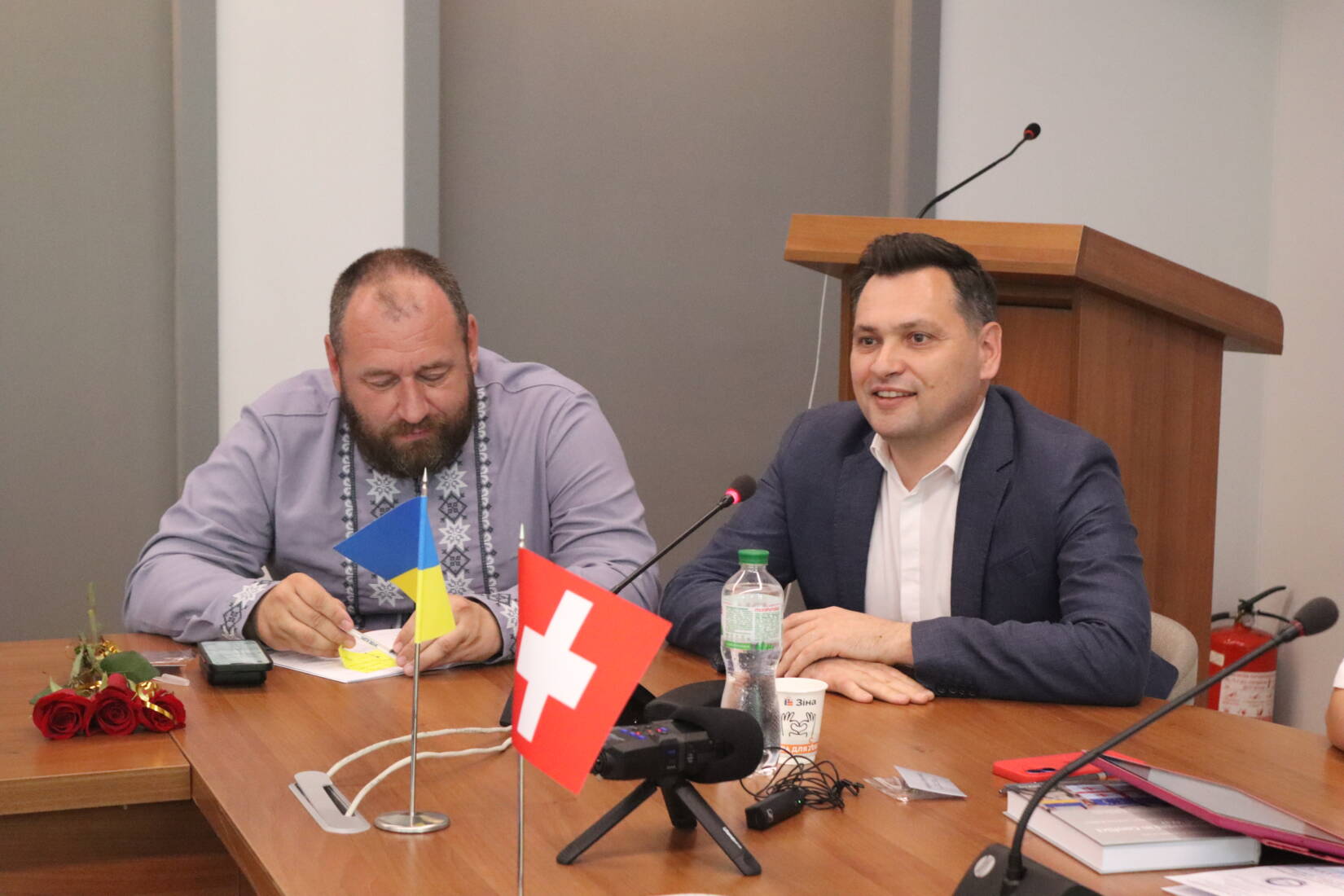
Dean of UzhNU’s Faculty of Social Sciences Vasyl Levkulych noted: “It is no coincidence that our partners are Swiss colleagues: Switzerland is known for its diversity and multiculturalism and in some ways resembles Zakarpattia — we too are a multilingual region. We live in a very difficult time of profound transformations. Language is the key marker of identity. It is of utmost importance because it shapes consciousness and culture — and even more than we can put into words. It is the genetic code of a people.”
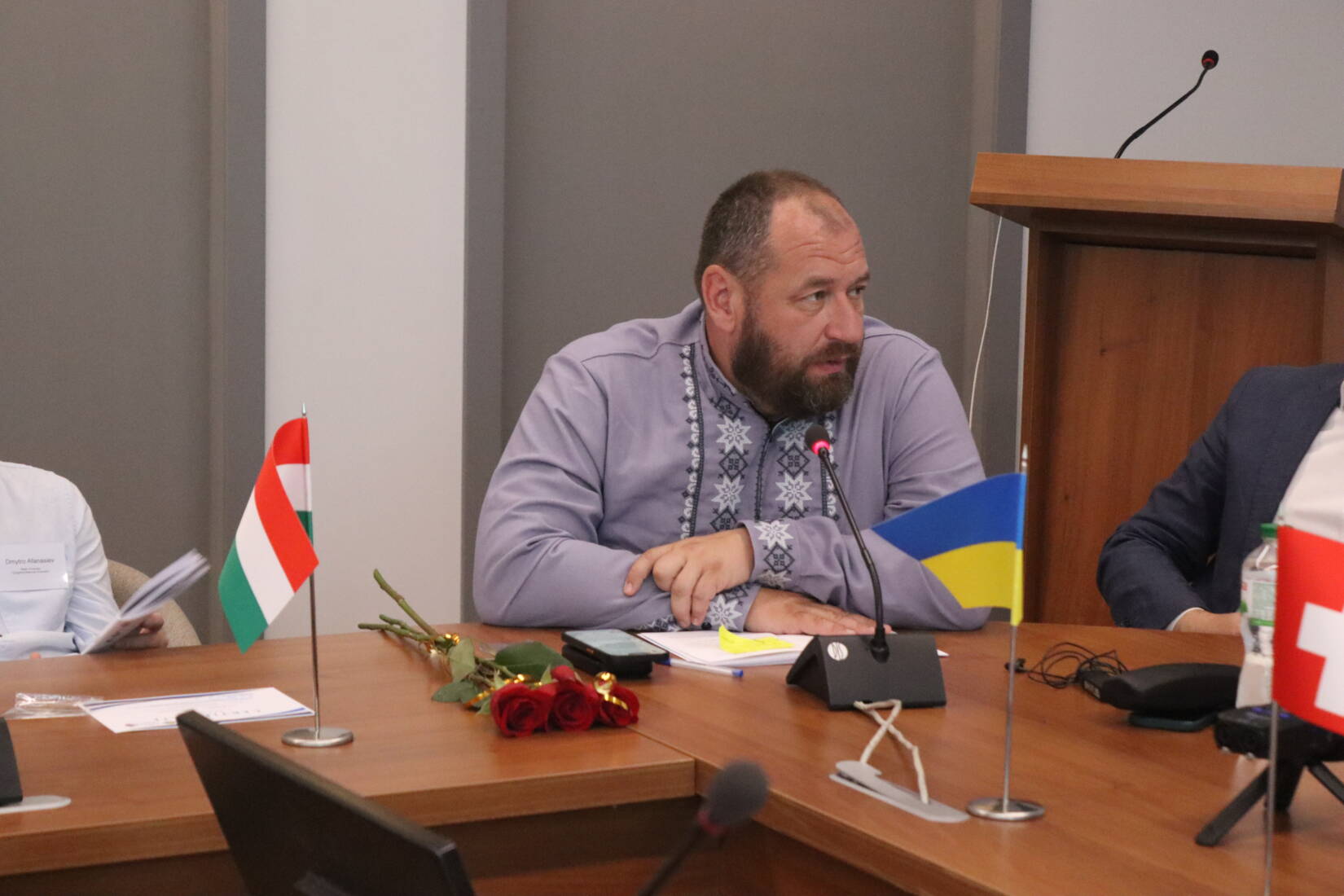
Ukraine’s Ambassador Extraordinary and Plenipotentiary to Hungary, Professor Fedir Shandor, outlined the geopolitical dimension of the language question: “Language is no longer merely philology — it is billions of money, people’s lives at the front, and geopolitical relations. Wars begin over language. Language can become a delayed-action mine capable of destroying worlds. Ukrainians now rank third in the world by diaspora size, with representation in various self-governing bodies. That is an enormous soft-power resource. If these people keep their linguistic and cultural identity, they become our natural lobbyists worldwide. We must cultivate such an elite.”
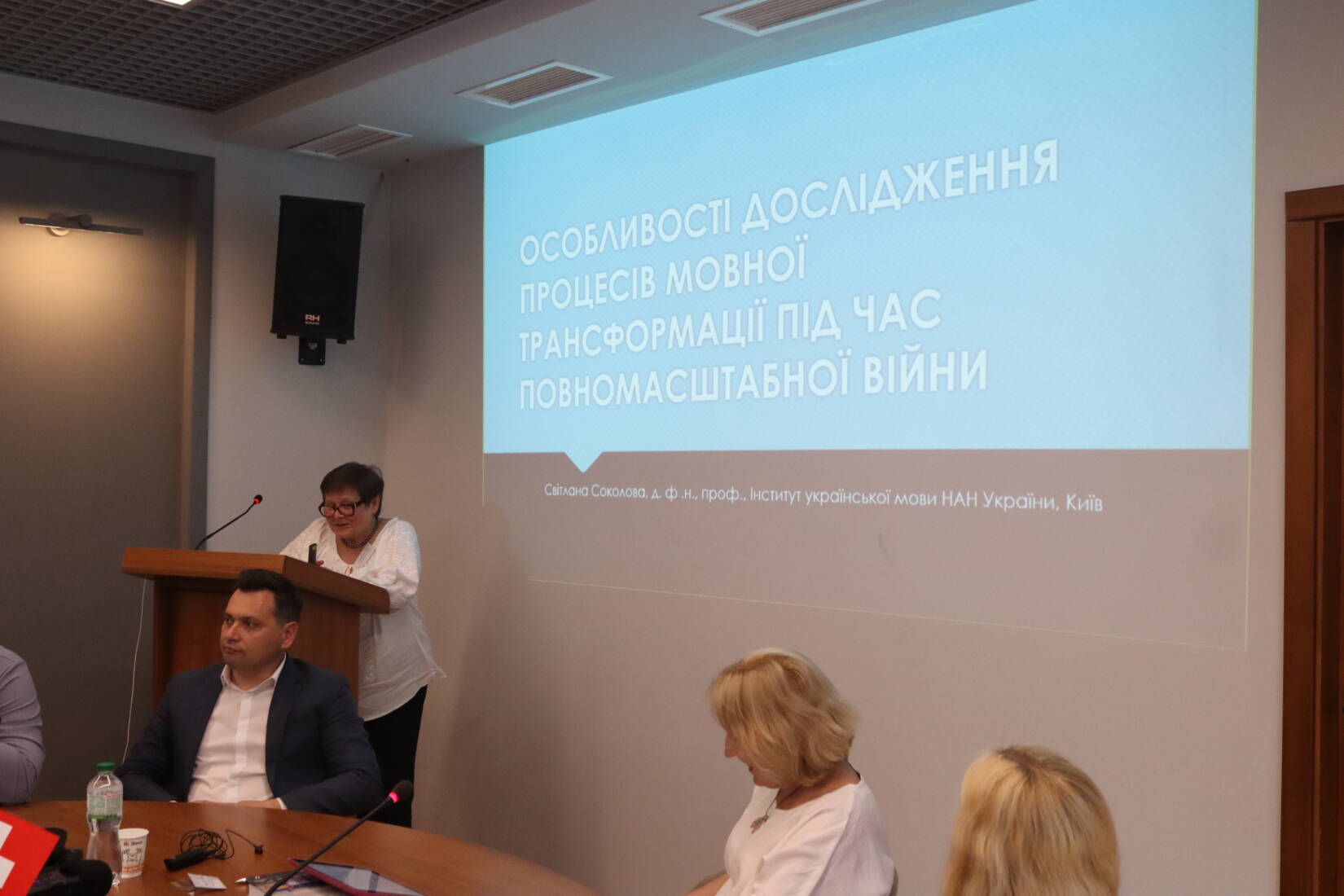
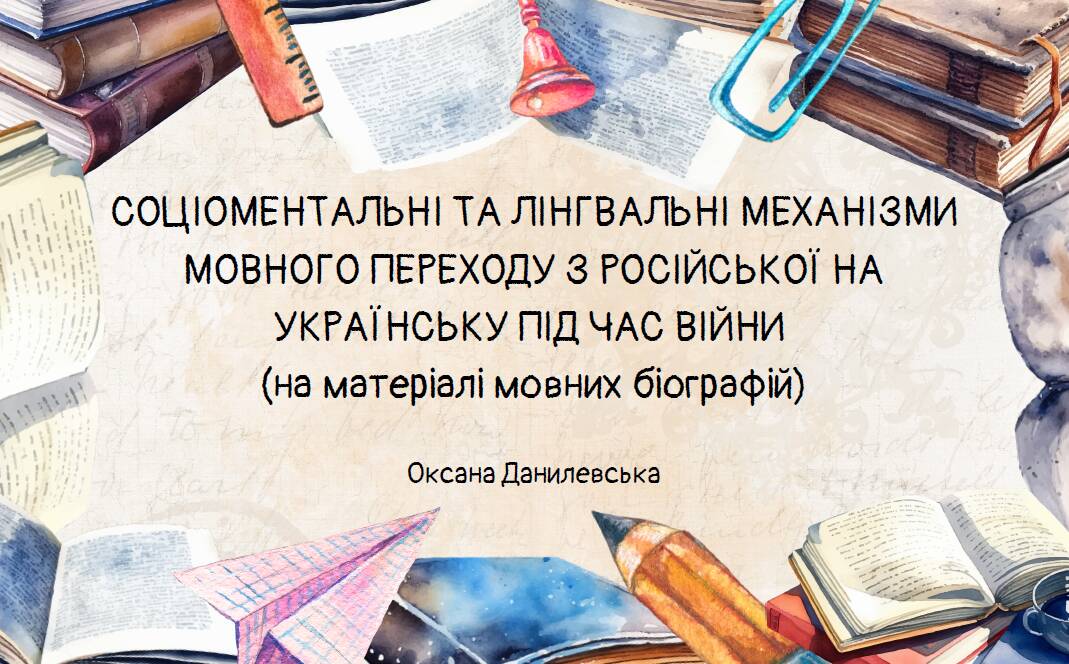
After the opening addresses, the plenary session began. The conference agenda covers six strands: transformation of linguistic identity in wartime conflict; language behaviour as a marker of ethnocultural identity in borderland and multiethnic regions; linguistic adaptation and cultural integration of internally displaced persons; dynamics of the linguistic landscape as a reflection of socio-political change; language as an instrument of social cohesion and division in crisis; and methodologies for studying language processes in wartime.
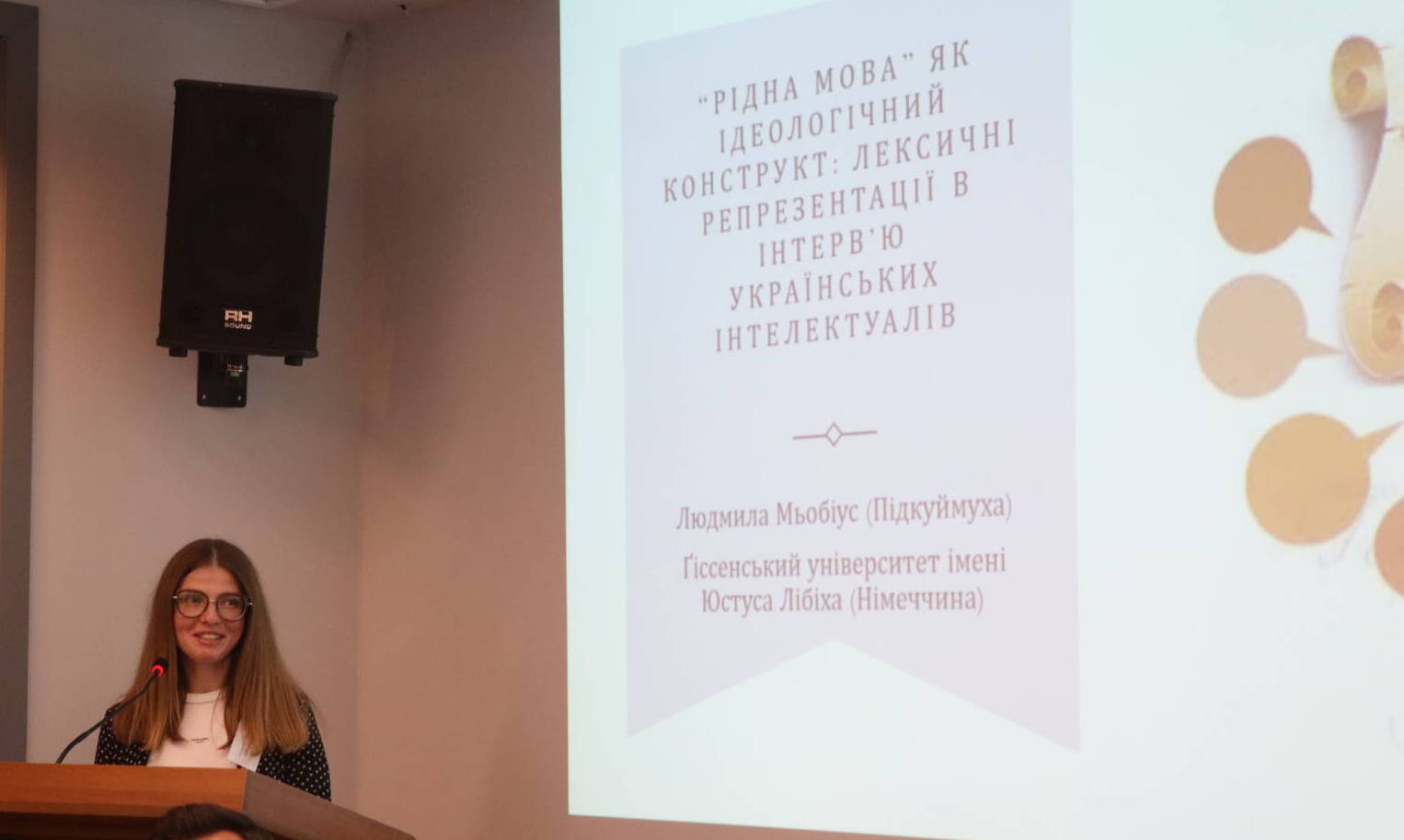
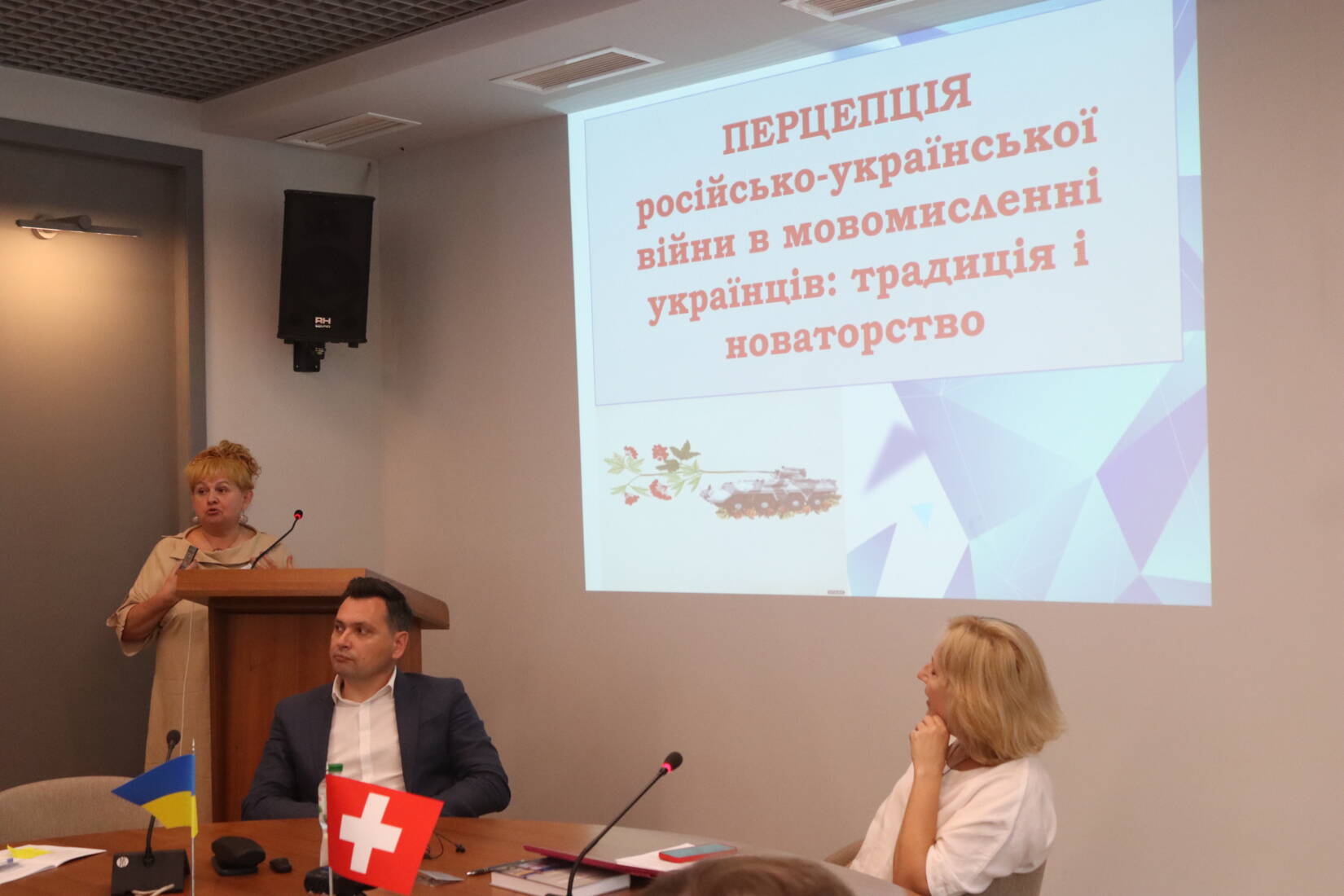
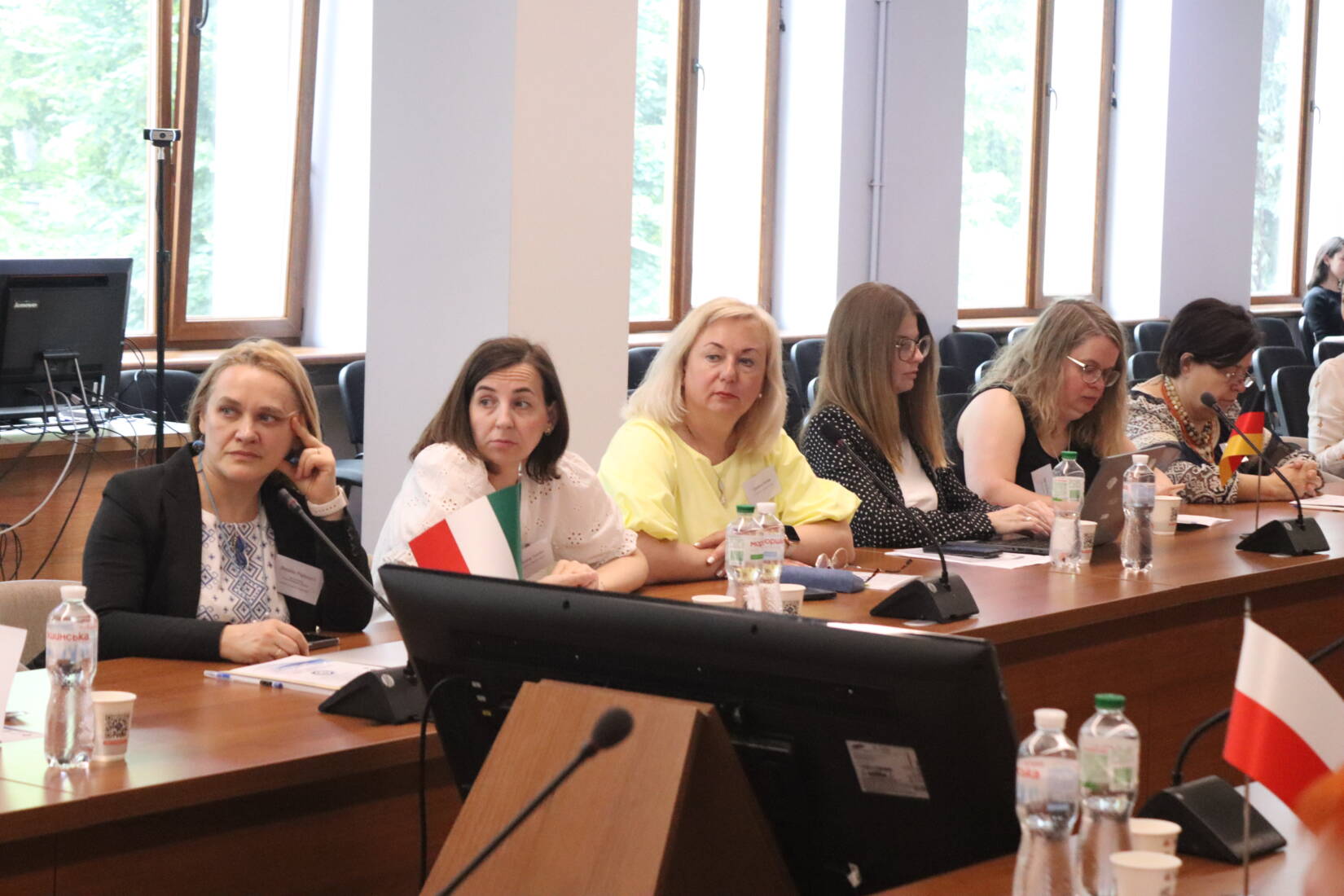
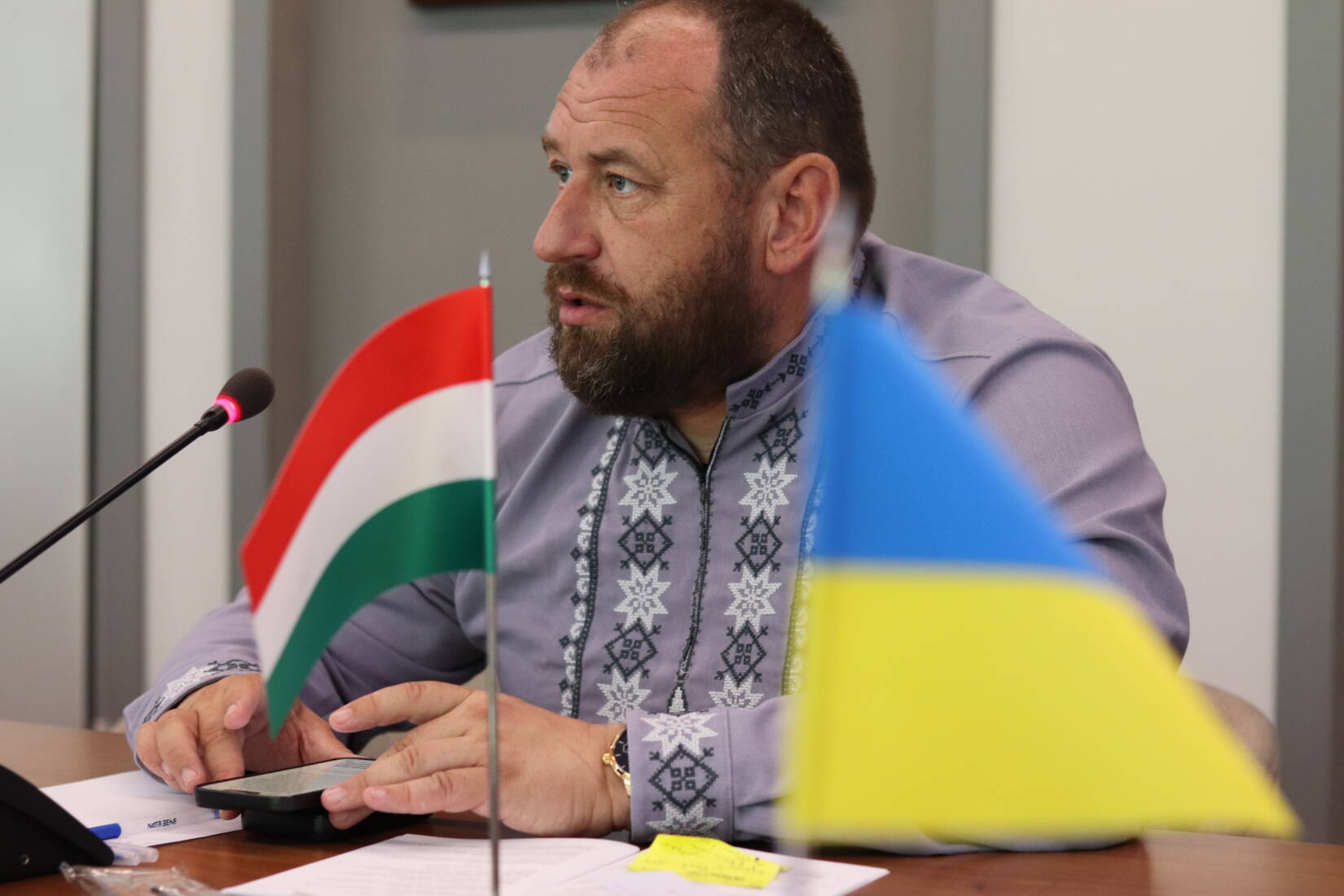
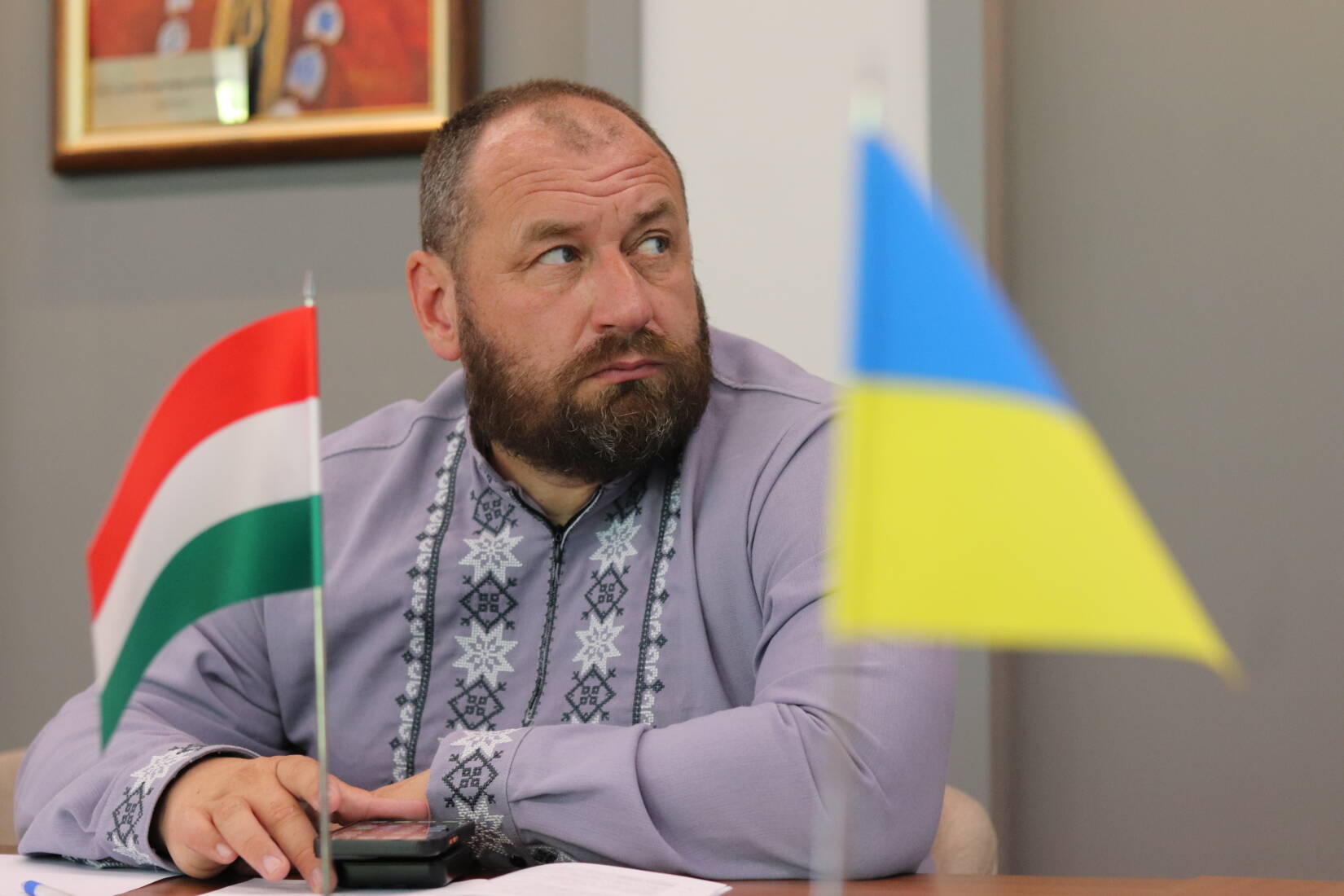
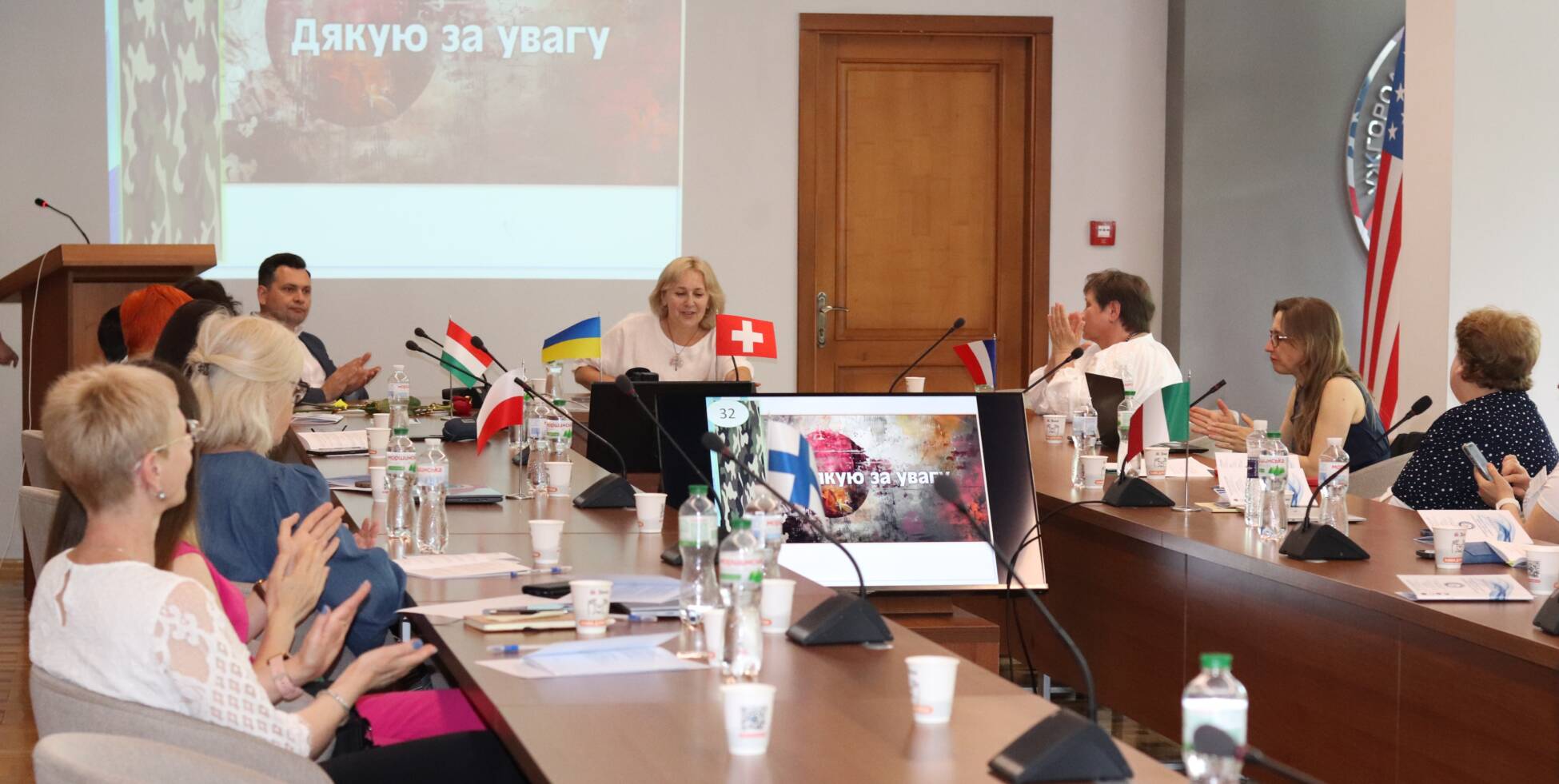
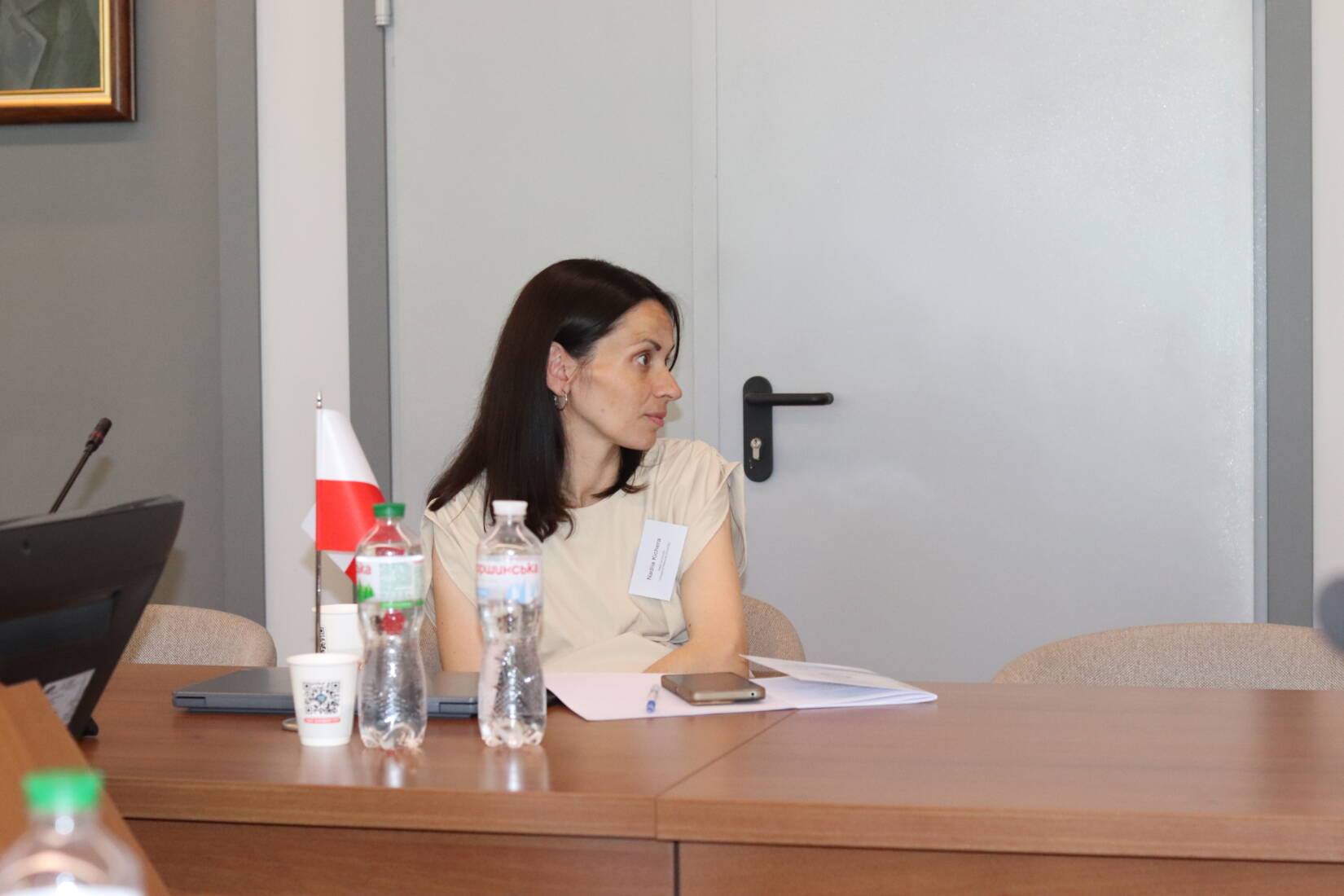
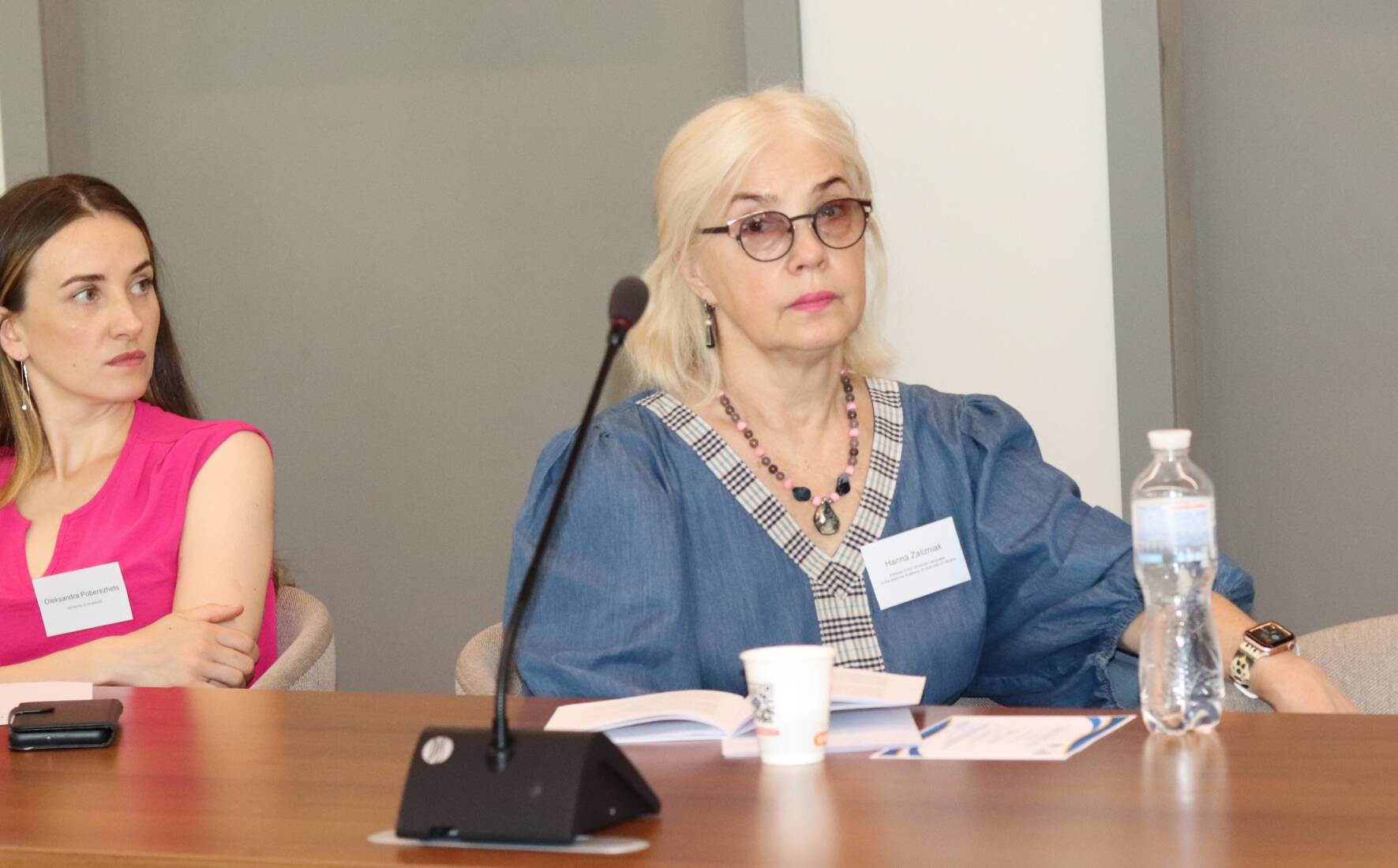
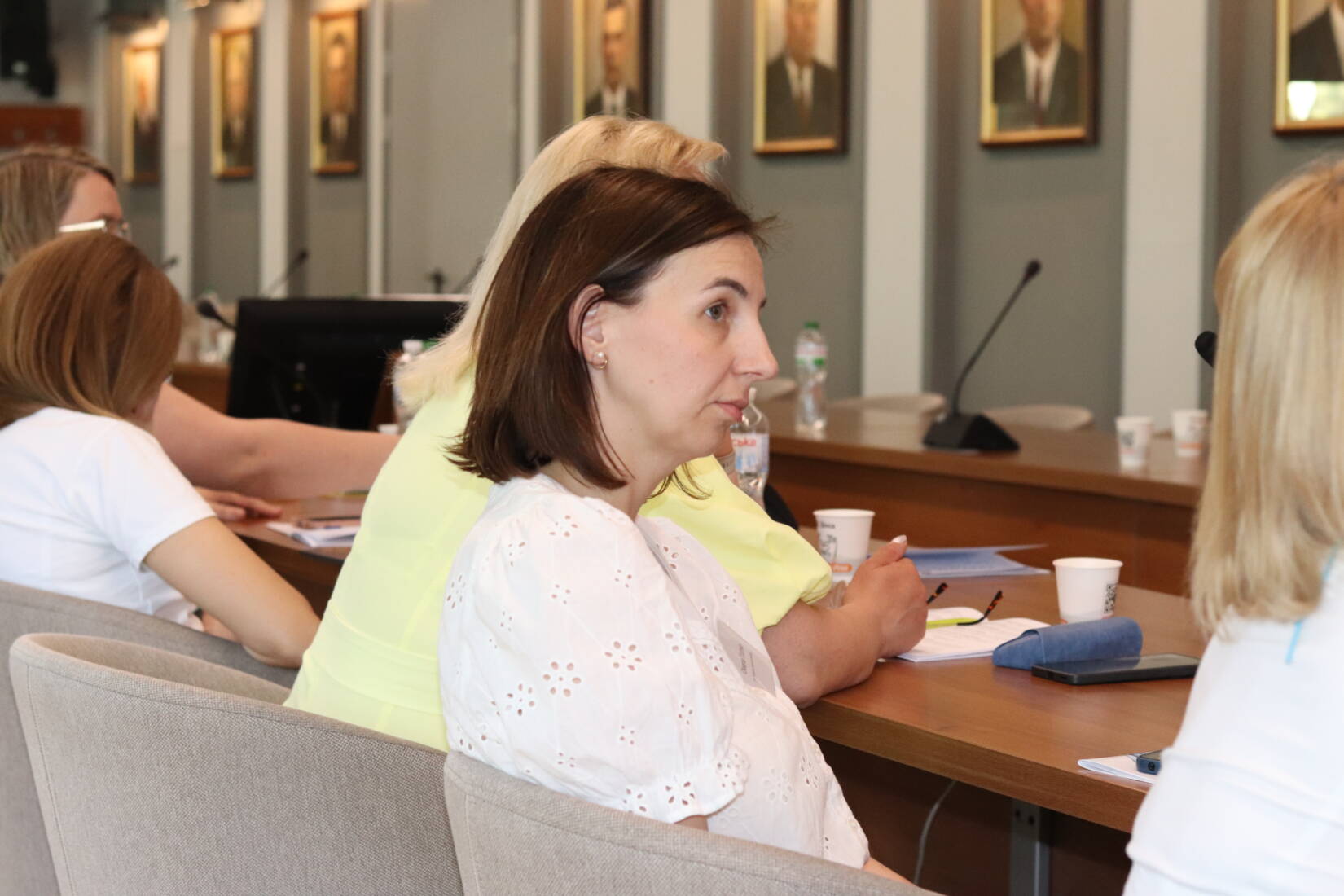
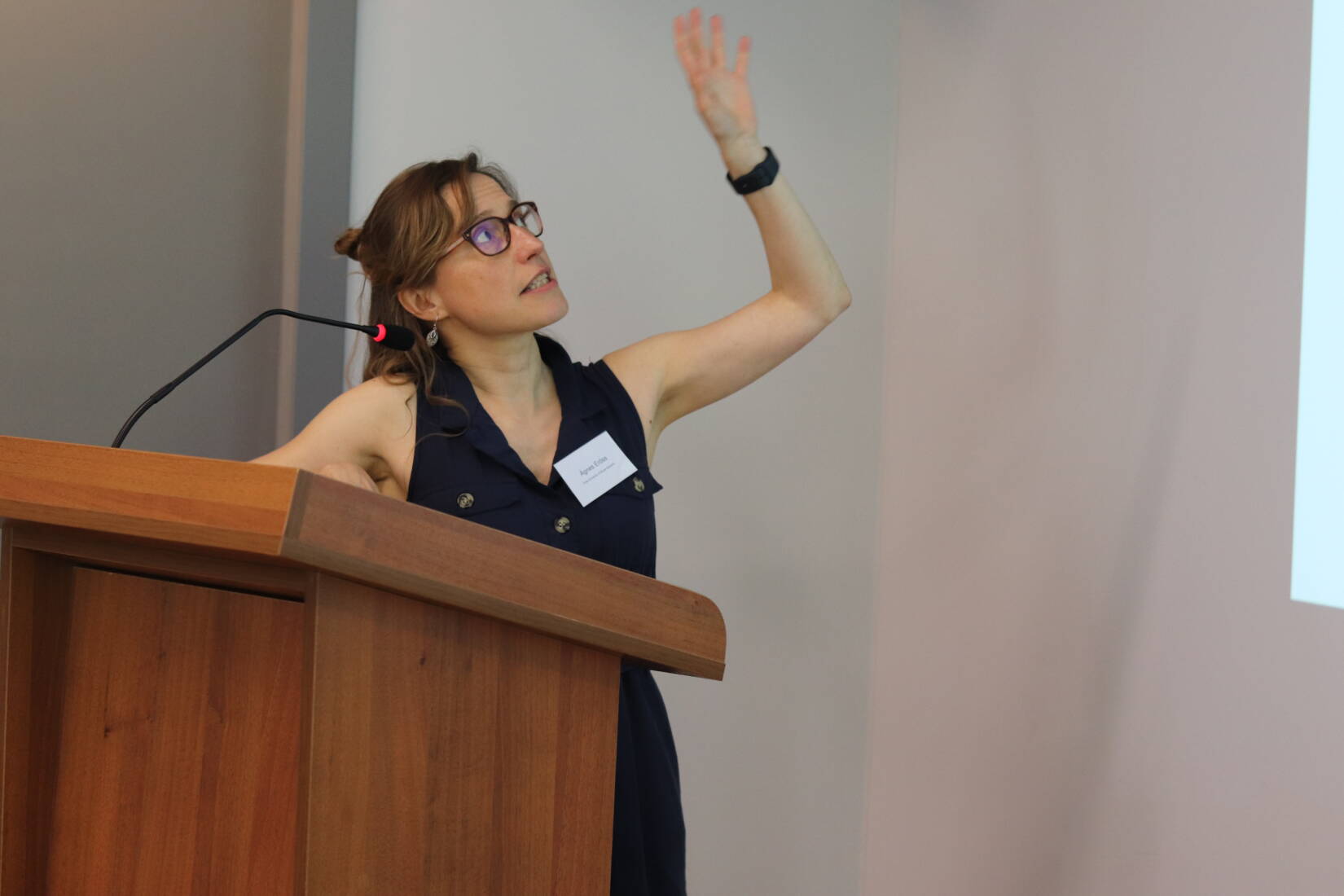
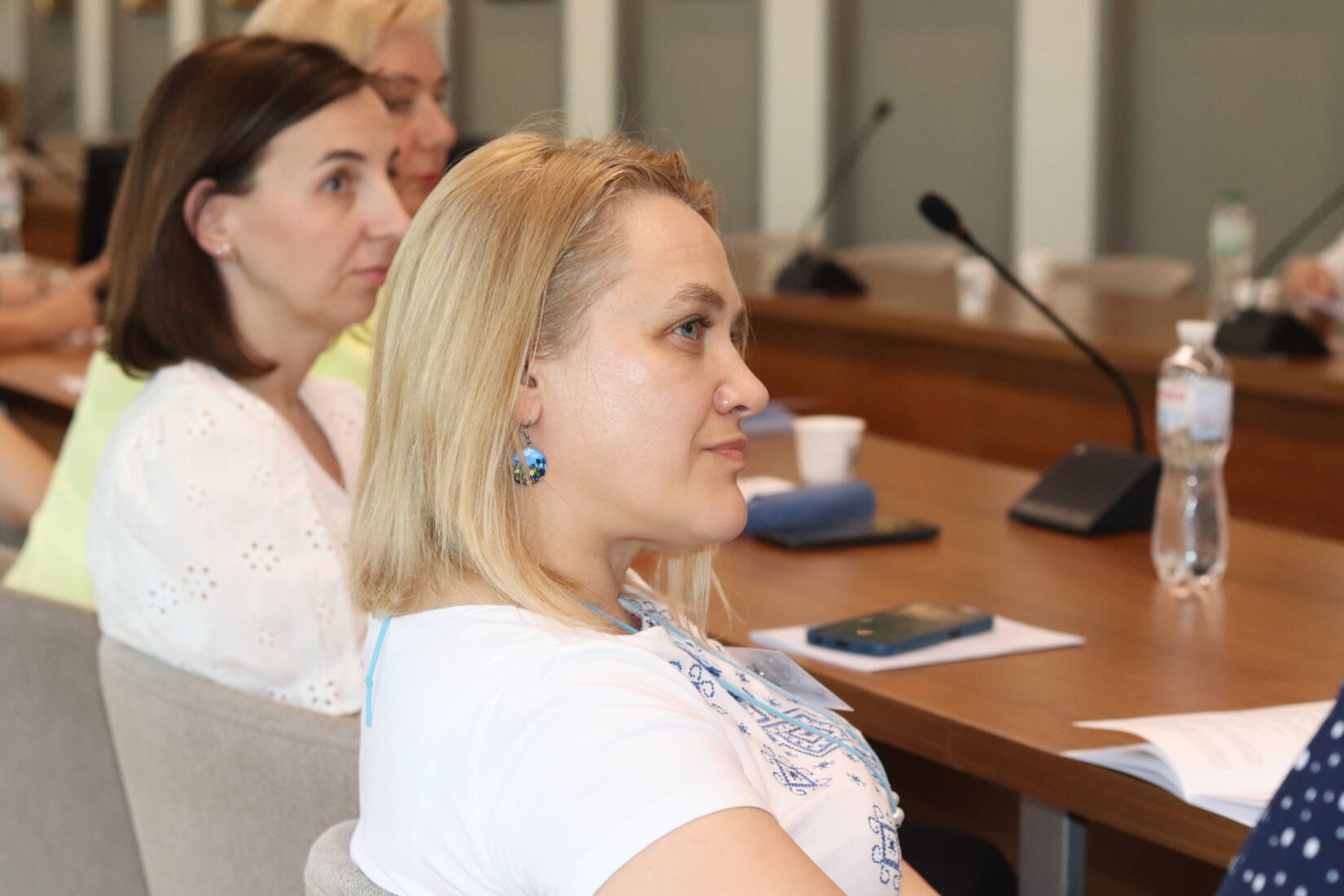
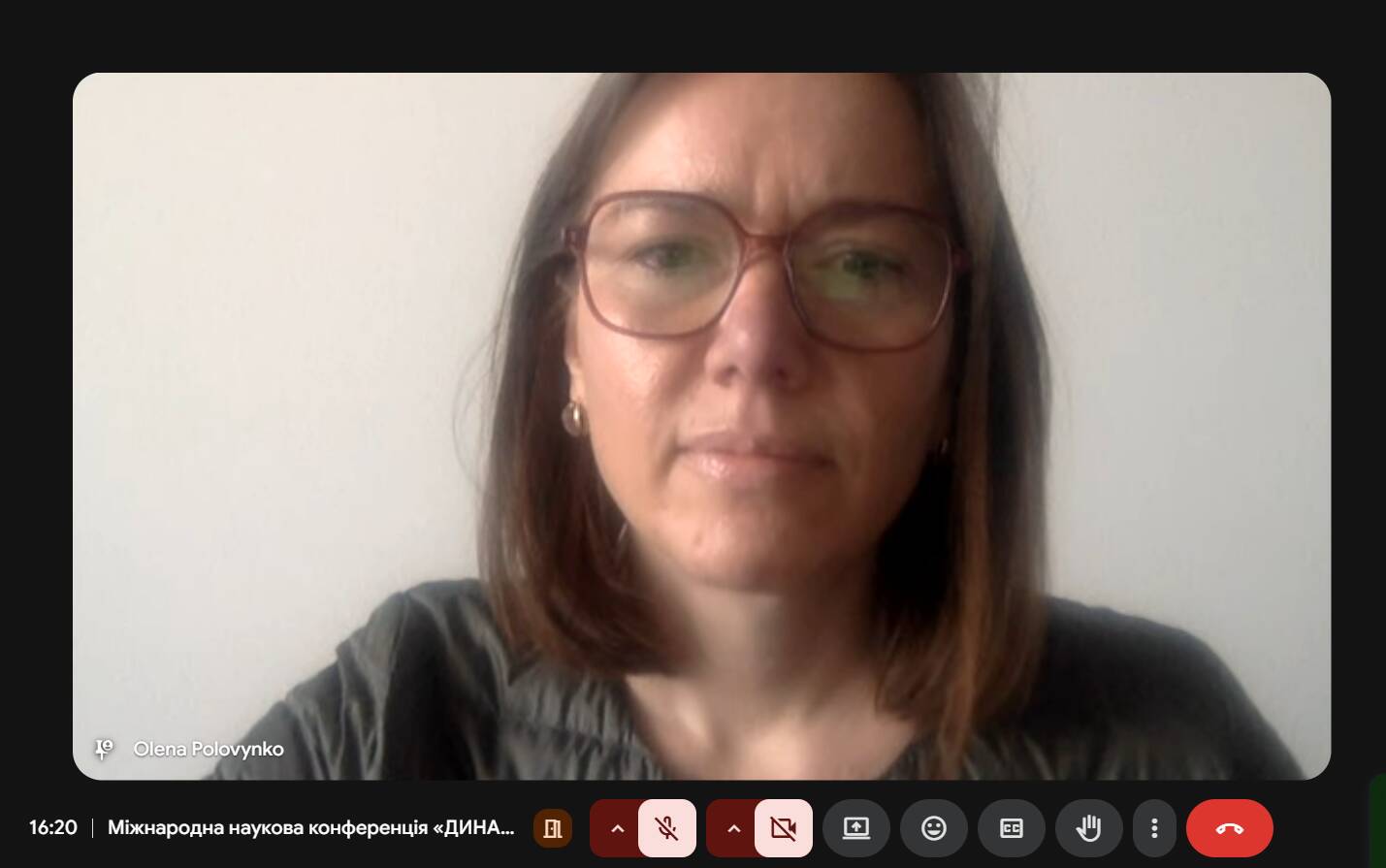
The second conference day will feature two parallel sections: “Language resilience and the transformation of national identity amid global and local crises” and “Language in the coordinates of contemporary media discourse: strategies, transformations and challenges of the time.”
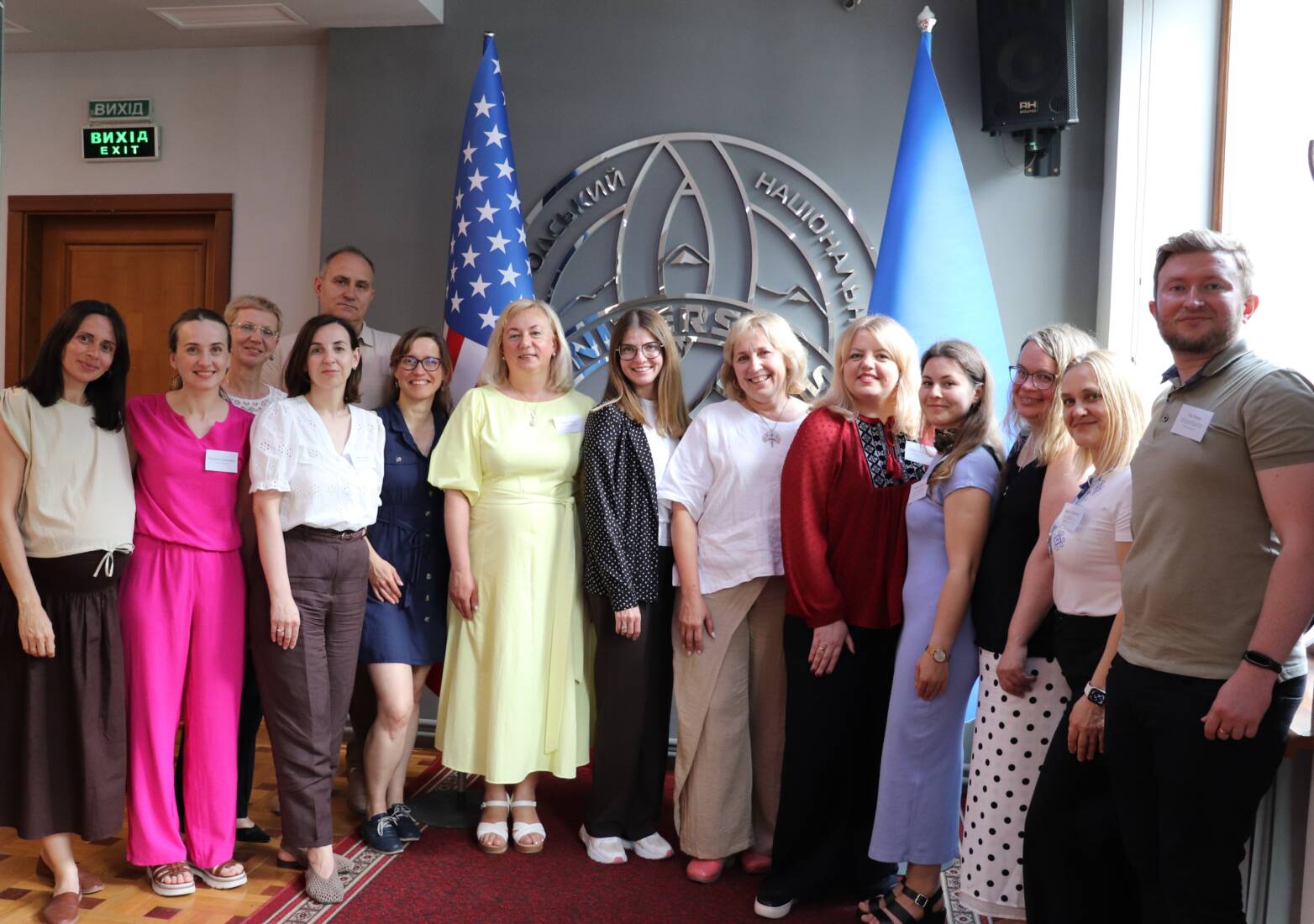
The conference will close on 12 June with a final plenary session. Project presentations are also planned, including a documentary filmed by a researcher from Italy about the life of the Hungarian community in a Zakarpattia village.
Anastasiia Labyk. Photos by the author and Vasyl Sharkanyi
Source:
UzhNU Media Center
Other publications