About Ukraine — for teachers and researchers in the USA and Canada
Halyna Shumytska, head of the UzhNU Research Centre for the Sociology of Language, together with colleagues from German institutions, held a seminar for the American Association of Teachers of Slavic and East European Languages (AATSEEL).
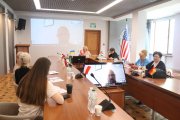
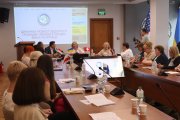
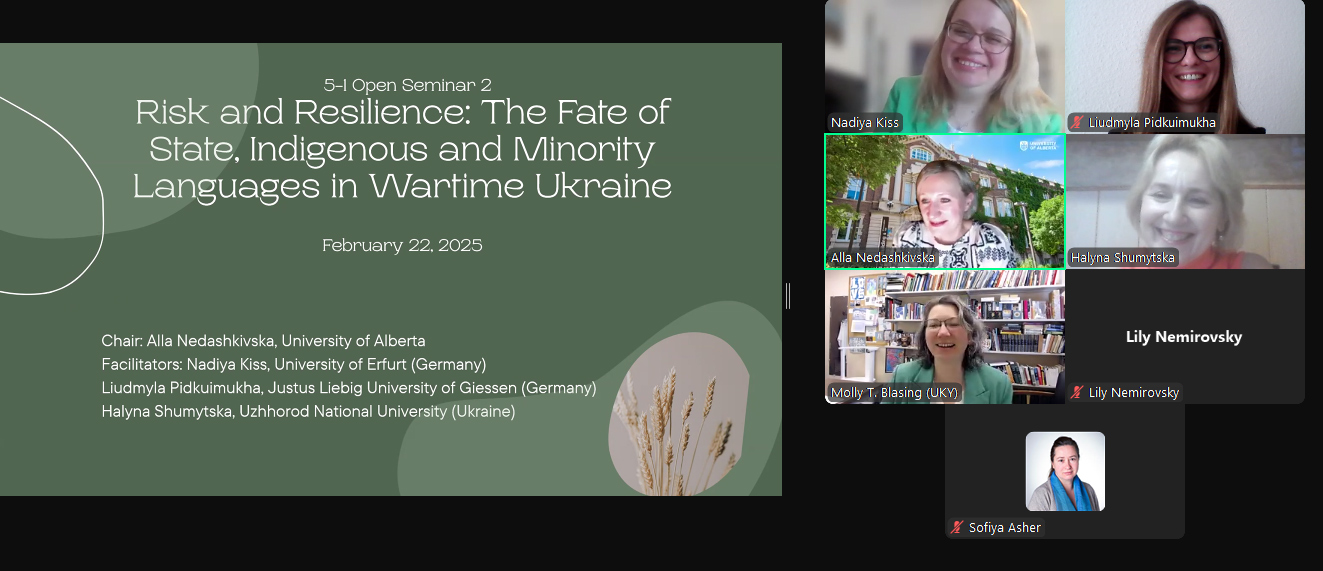
Halyna Shumytska, head of the UzhNU Research Centre for the Sociology of Language, together with colleagues from German research institutions — Dr Nadiya Kiss (University of Erfurt) and Dr Liudmyla Pidkuimukha (Justus Liebig University Giessen) — held a seminar for the American Association of Teachers of Slavic and East European Languages (AATSEEL) as part of its annual scholarly conference.
The association brings together teachers and researchers from universities in the USA and Canada and maintains links with colleagues elsewhere. Among AATSEEL’s priorities is fostering intercultural dialogue between North America and Slavic countries. Historically the organisation gave more attention to Russian and Polish studies, but since 2014 — and especially after Russia’s full-scale invasion of Ukraine — interest in Ukrainian studies has grown markedly.
Annual conferences regularly feature sections on Ukrainian language, literature and culture. The journal SEEJ publishes research on Ukrainian literature, linguistics and methods of teaching Ukrainian. The association supports Ukrainian language teaching in American universities and colleges with teaching materials and professional development opportunities. AATSEEL cooperates with organisations such as the American Association for Ukrainian Studies (AAUS) to advance Ukrainian studies in the North American academic space.
Notably, Prof. Alla Nedashkivska, a Ukrainian linguist who has long worked at the University of Alberta, became the association’s vice-president. The Canadian Institute of Ukrainian Studies has operated there since 1976, conducting research and publishing on Ukrainian and Ukrainian-Canadian topics.
The seminar “Risk and Resilience: The Fate of State, Indigenous and Minority Languages in Wartime Ukraine” was received with keen interest.
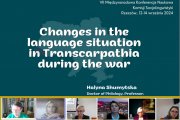
The speakers addressed difficult issues of the present day, including the status of Ukrainian as the state language in occupied territories. They also discussed endangered languages in Ukraine, languages of indigenous peoples and national communities, changes in the country’s linguistic landscape during the war, and the possible future of Ukraine’s language situation.
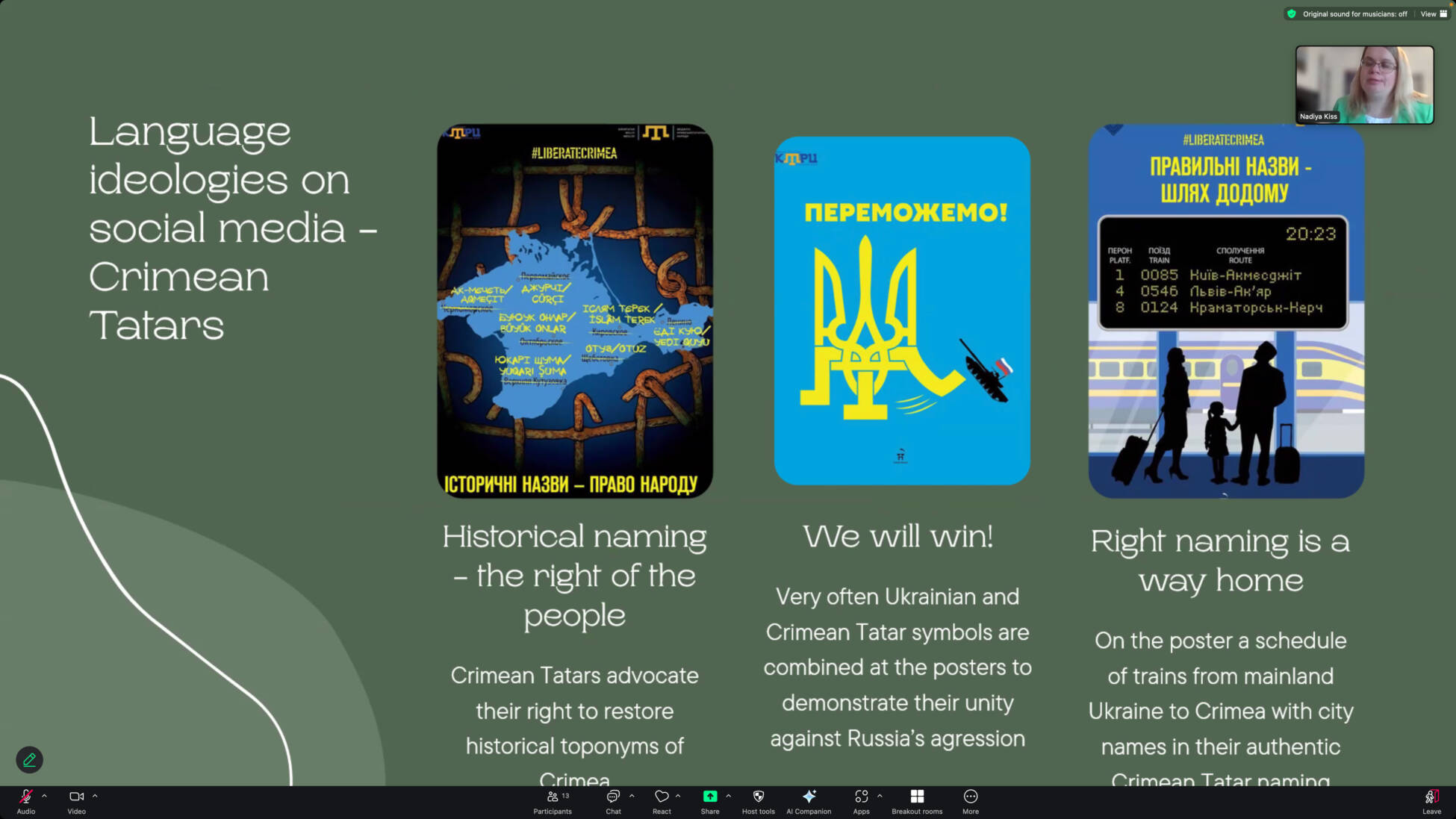
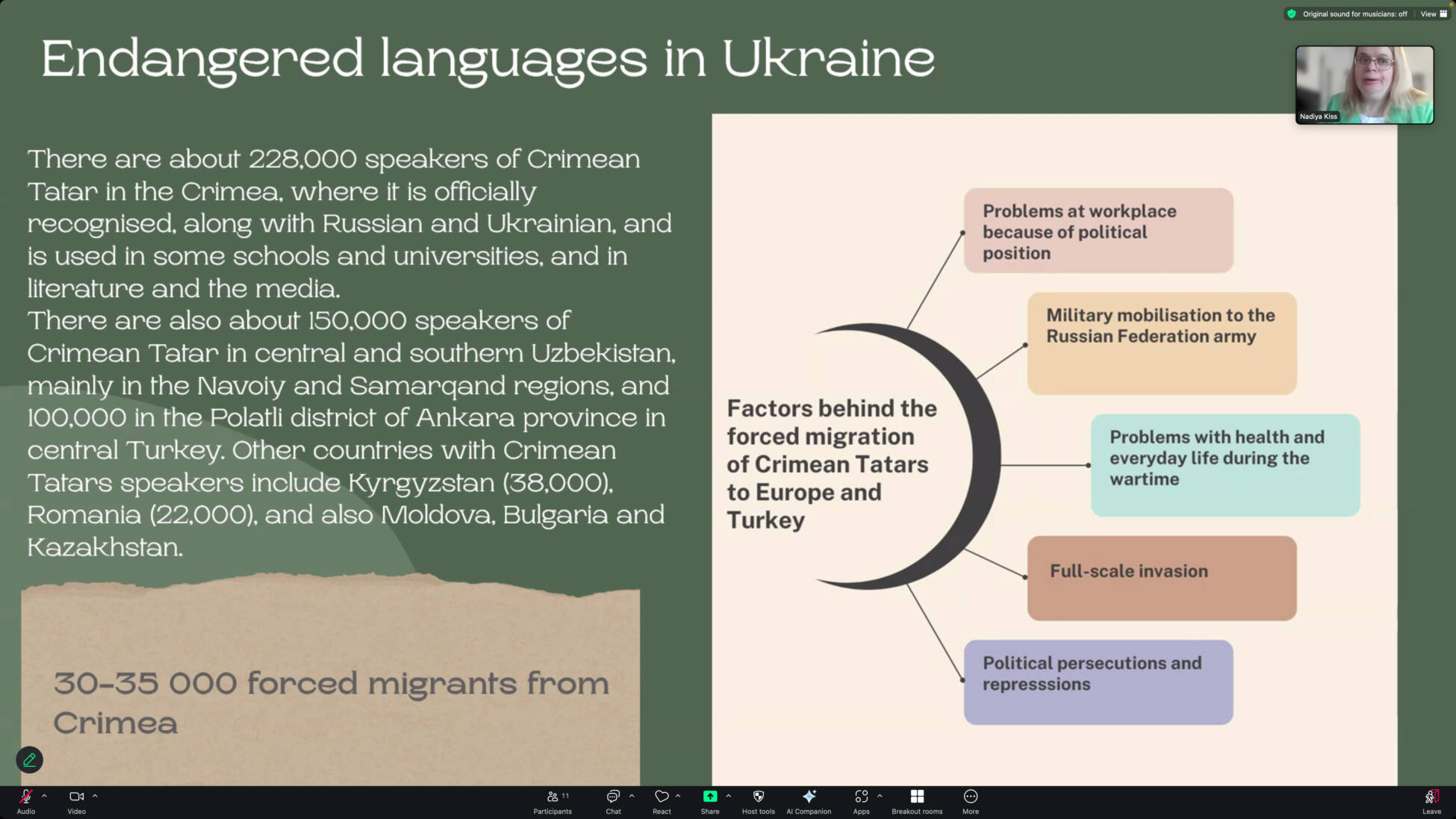
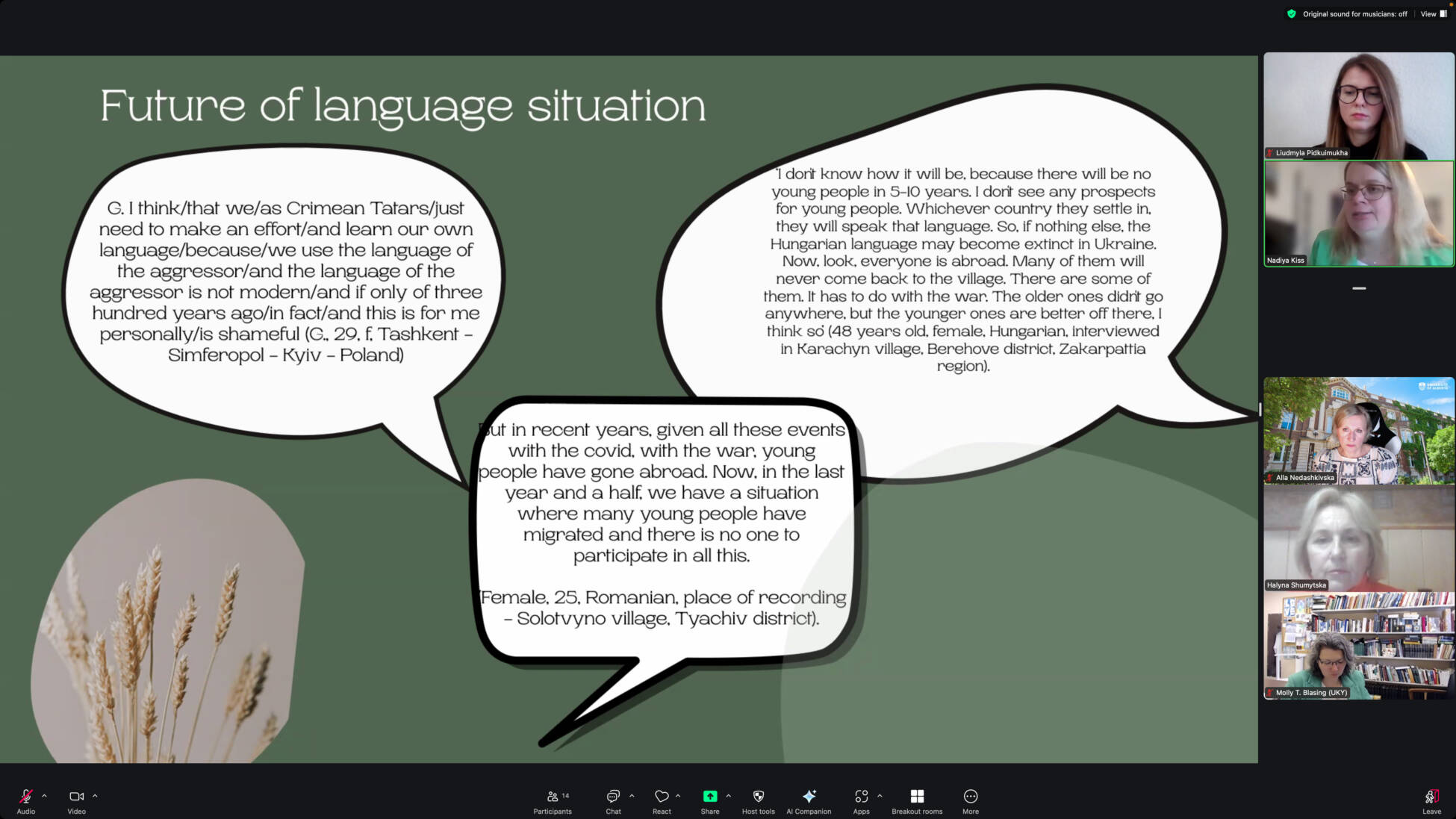
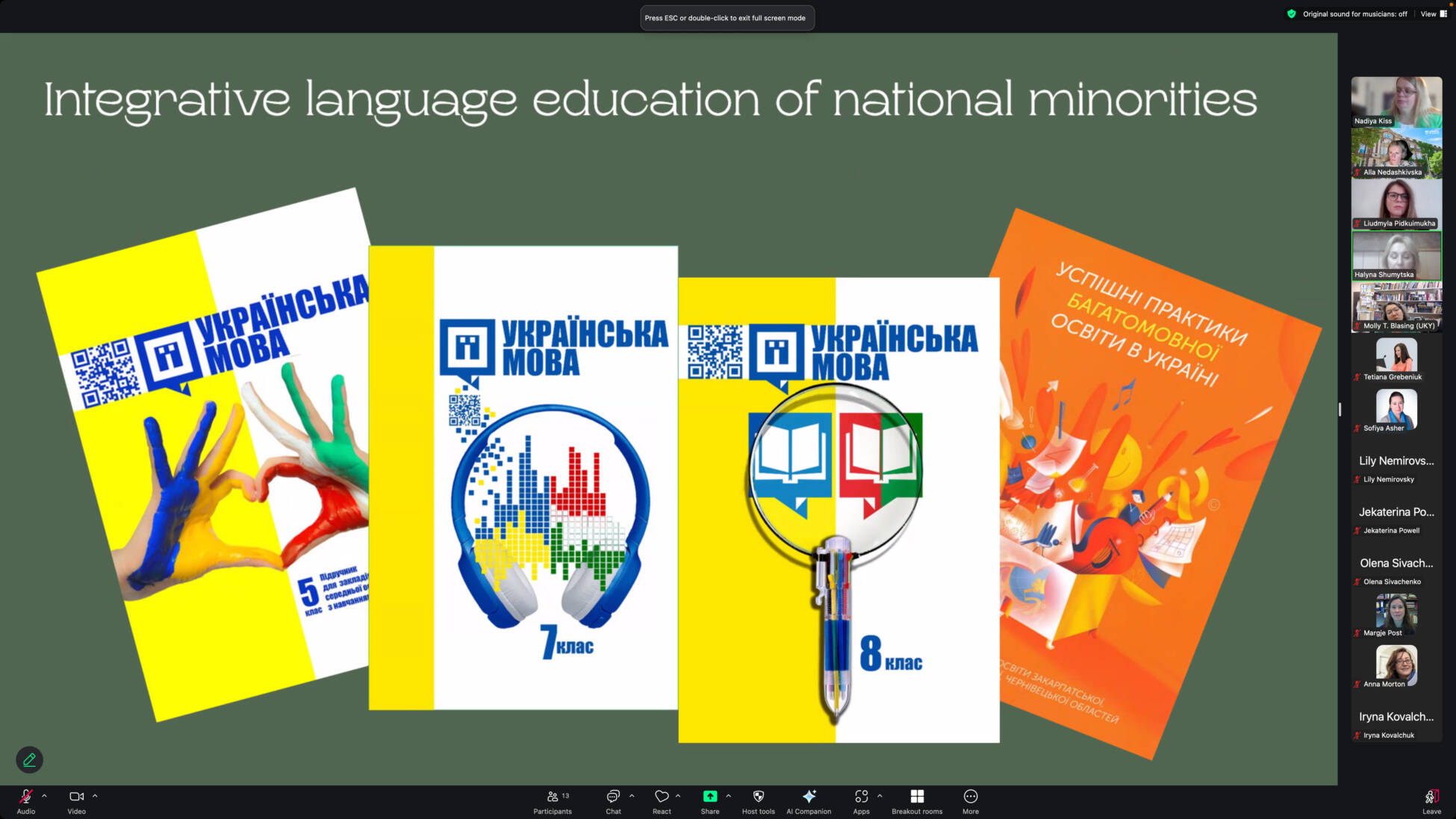
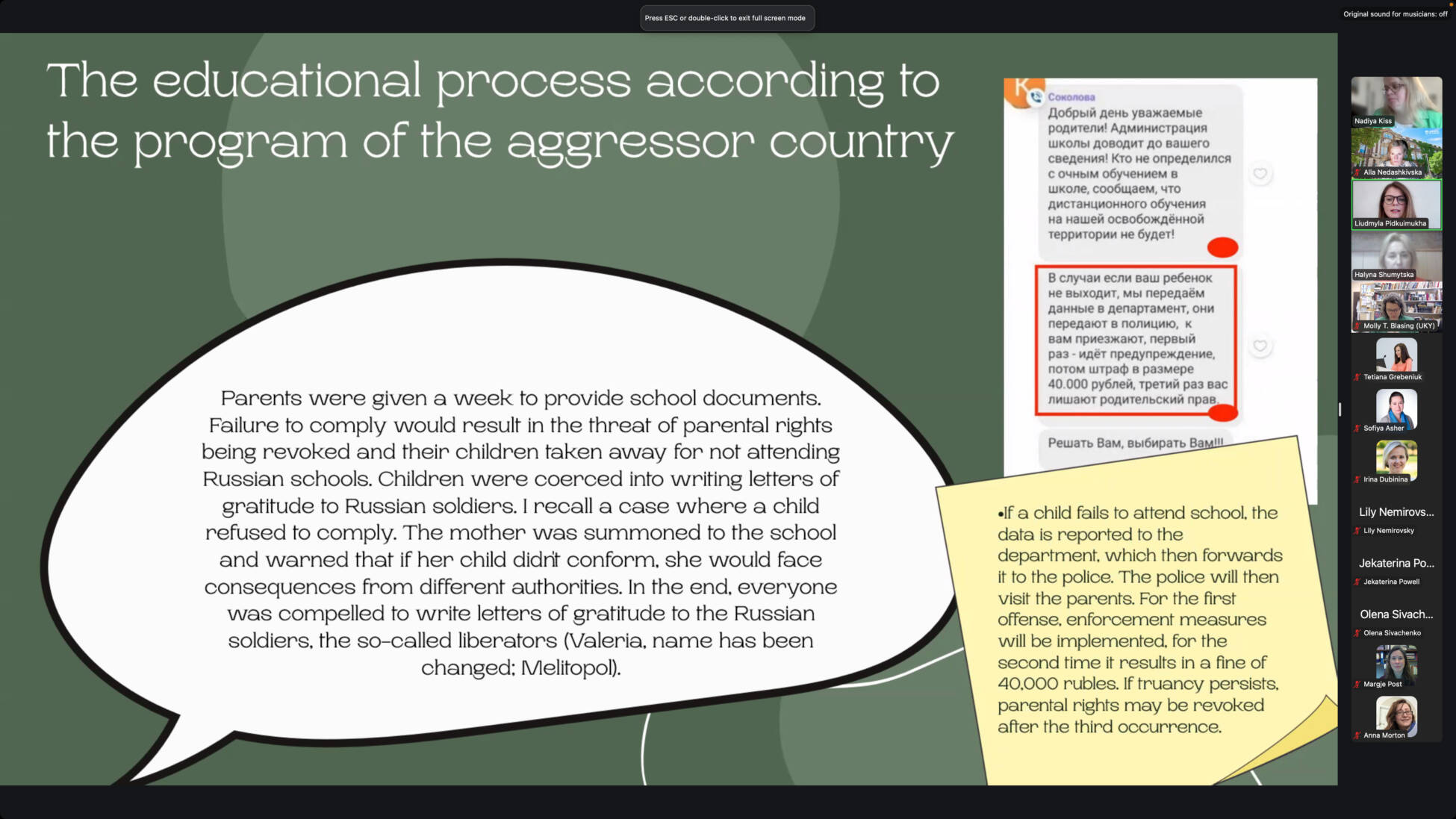
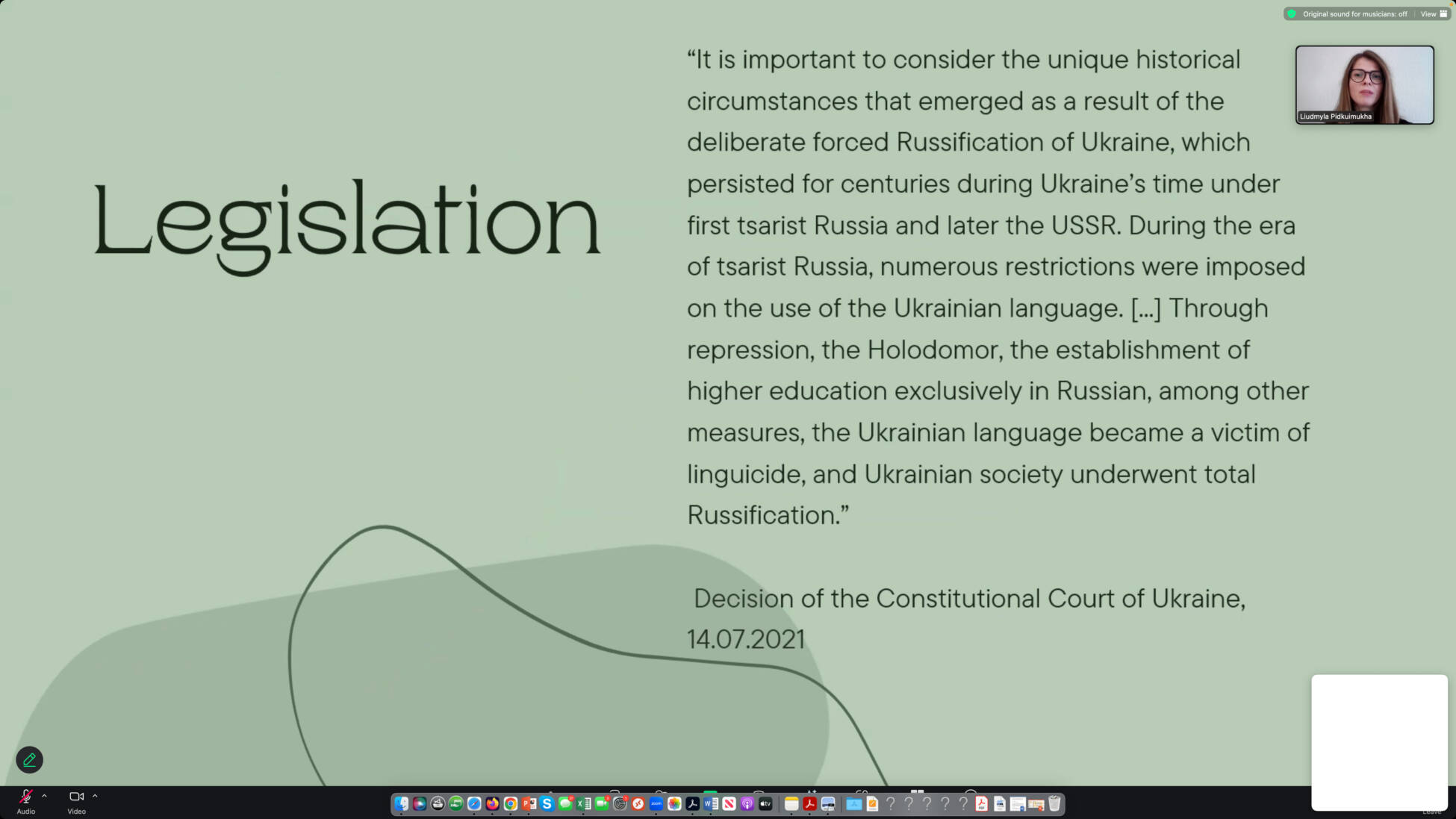
The speakers announced important publications soon to be presented at Uzhhorod National University with their academic editors from Germany and the United Kingdom. One of them — “Contested Language Diversity in Contemporary Ukraine” (editors Dr Nadiya Kiss and Prof. Monika Wingender) — is forthcoming from the German publisher ibidem Press. It adds important detail to the picture of Ukraine’s language situation. The volume’s novelty lies in rich empirical data on minority languages in Ukraine (Hungarian, Romanian, Gagauz and others), speakers’ language behaviour, and attitudes toward state and regional language policy. Language-biography interviews and sociolinguistic survey data shed light on language-change processes driven by the war.
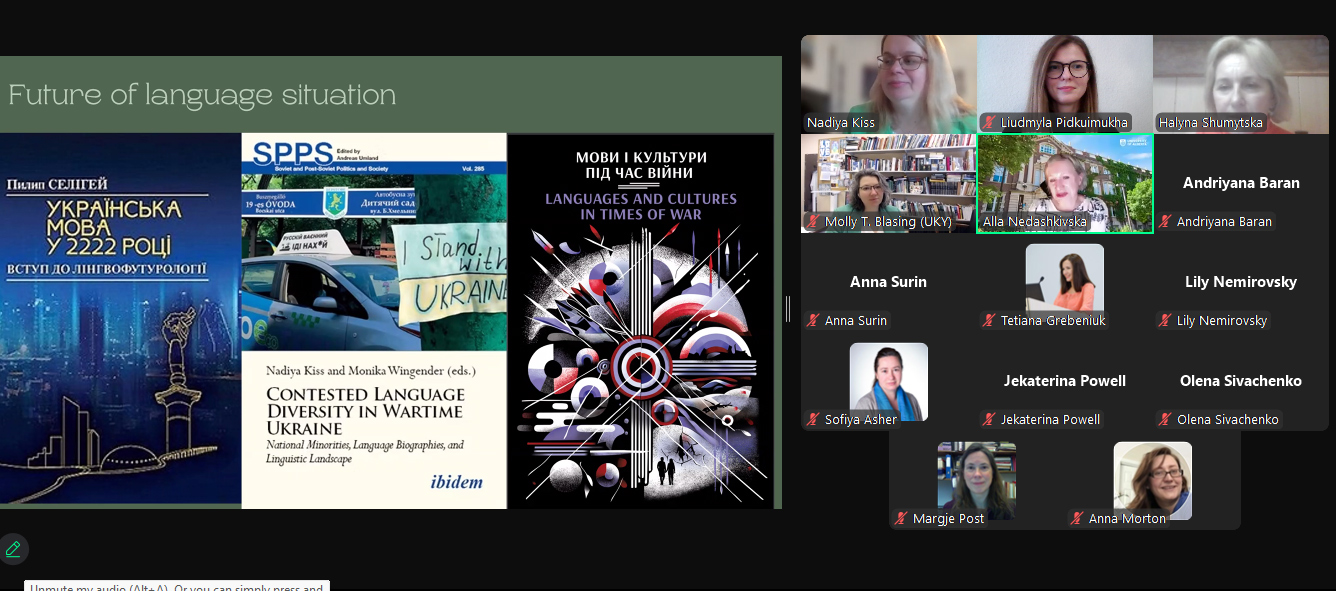
Another scholarly collection — “Languages and Cultures in Times of War / Мови та культури під час війни” (editors Prof. Halyna Shumytska and Prof. Alex Krouglov) — includes papers from the international conference “Languages and Cultures in Times of War: the (im)possible, the (re)interpreted, the (un)governed,” held in London on 2–3 May 2024. The studies cover language-cultural transformation linked to war, with language appearing in almost every contribution as object or instrument. Through sociolinguistic and sociocultural markers the authors analyse painful and sometimes uncomfortable questions of today — a scholarly screening of society’s cultural and linguistic condition: interpersonal relations, language behaviour, discursive practices, the state of the language system, and political events.
Source: UzhNU Media Center
Other publications