UzhNU professor presented sociolinguistic research findings at an international seminar at Jagiellonian University
During a three-day meeting in Kraków, Halyna Shumytska shared findings on shifts in Ukrainians’ worldview in wartime and announced a major summer conference in Zakarpattia.
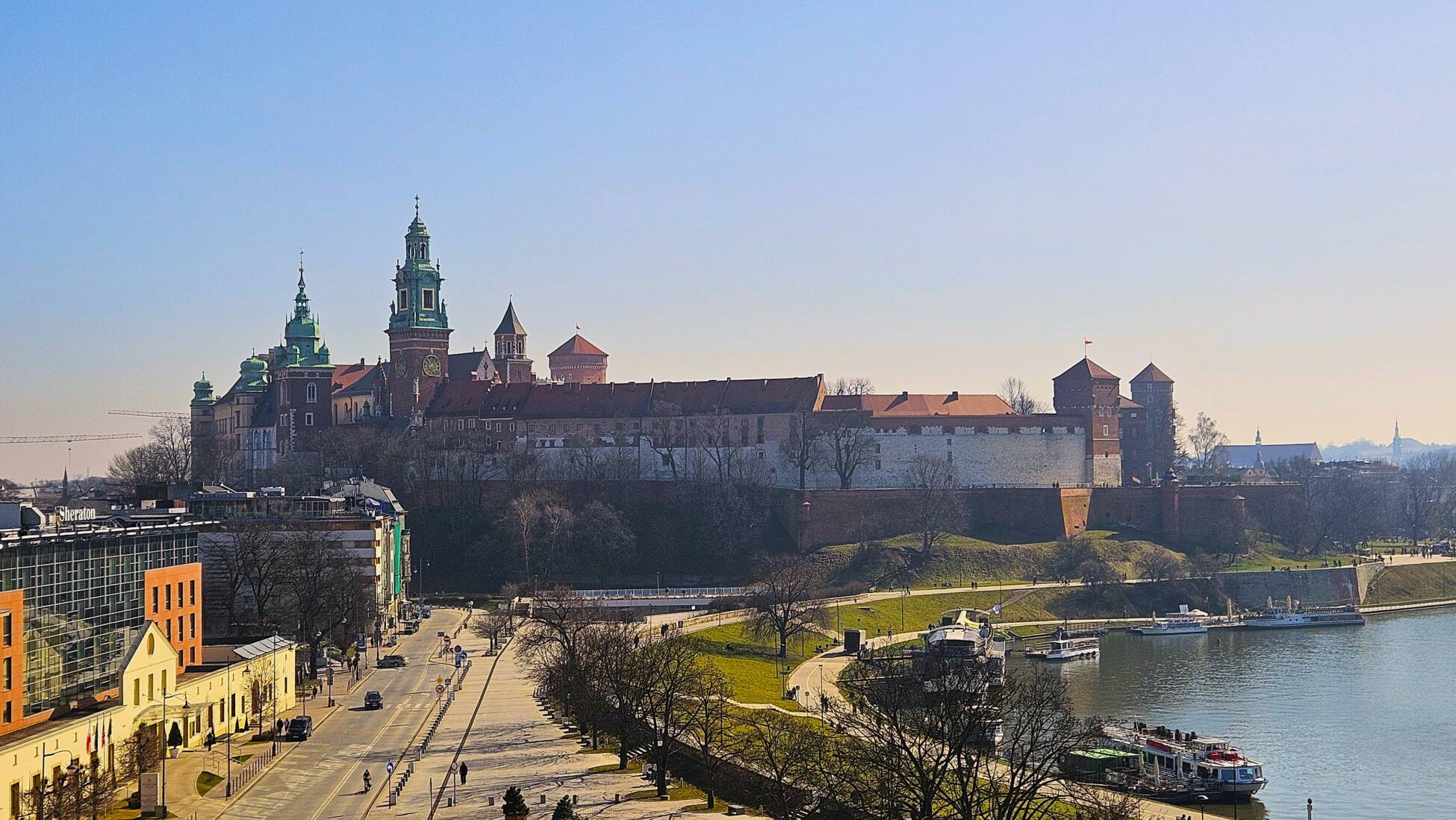
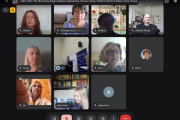
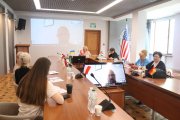
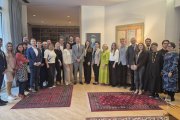
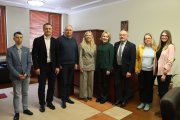
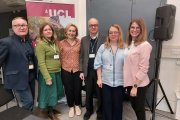
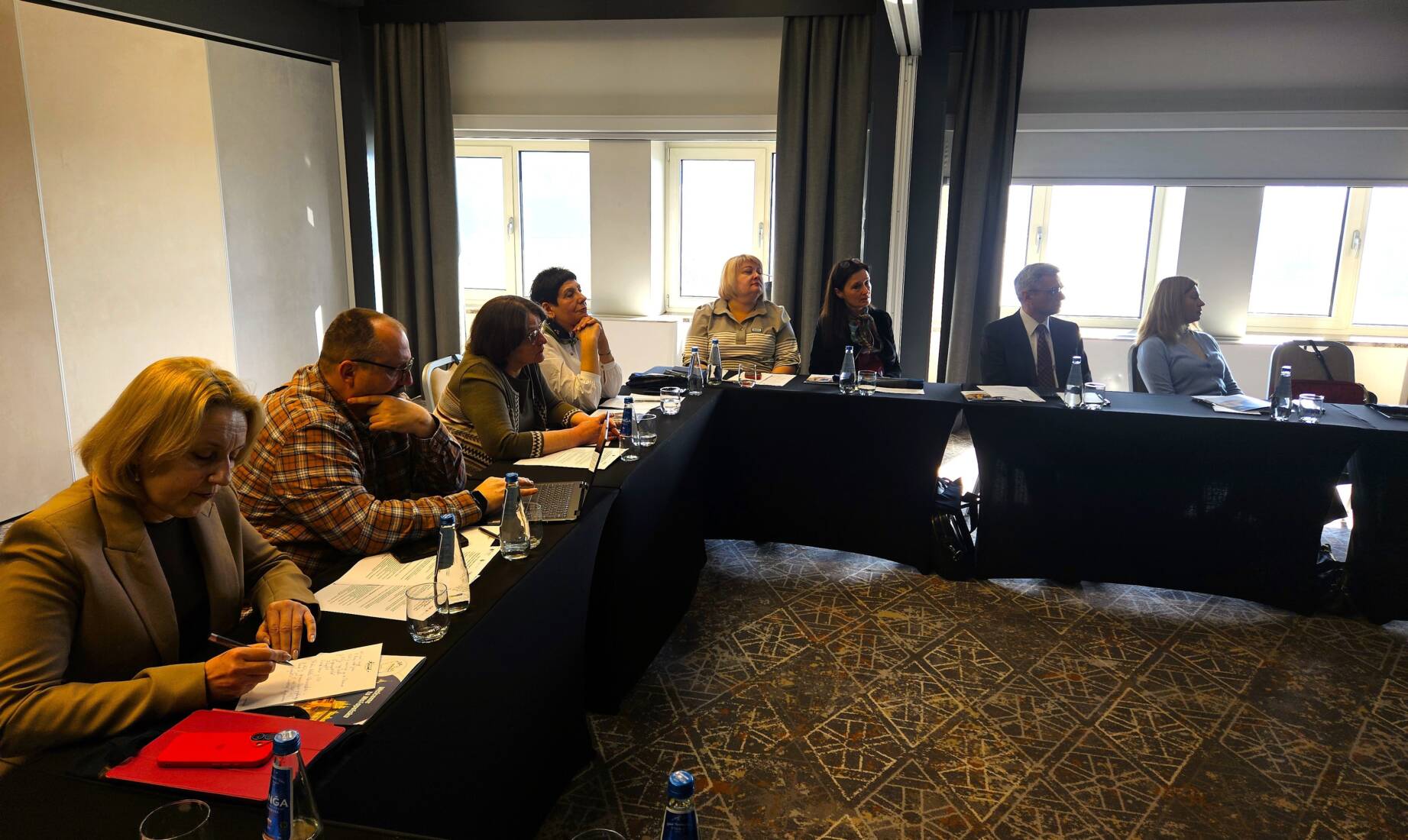
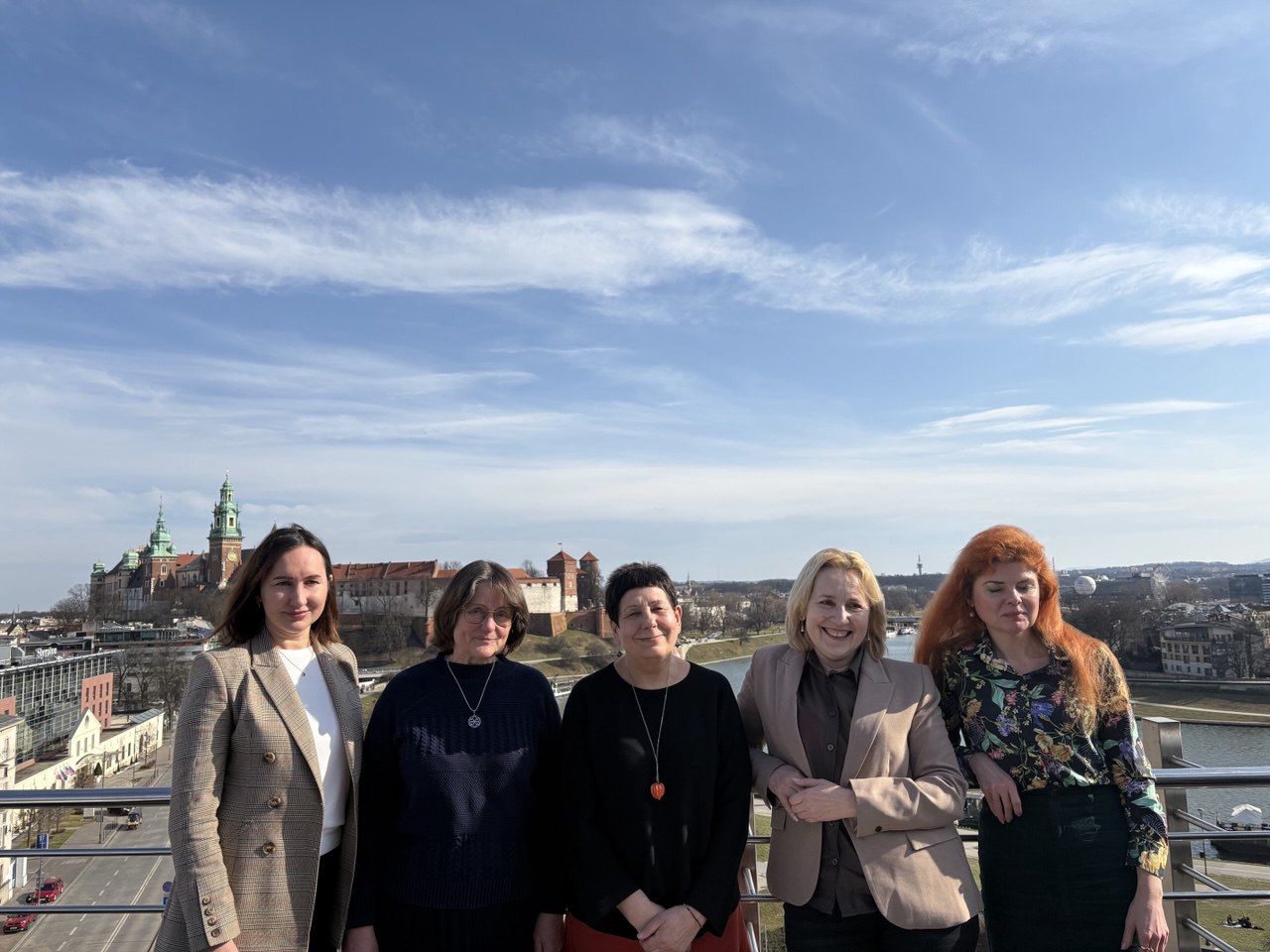
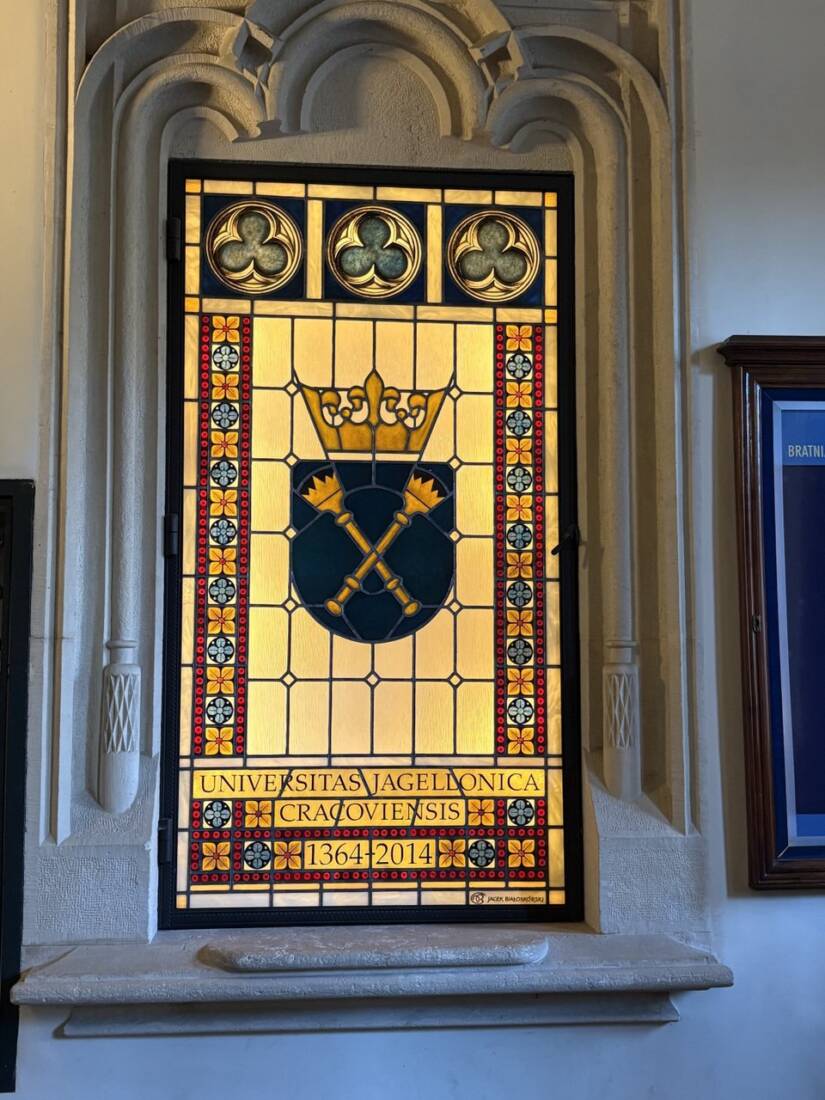
On 9–11 March a three-day research seminar took place in Kraków within the project “Jagiellonian University International Center” (JUiCe). The main theme was “Challenges of the Contemporary World,” aimed at establishing and strengthening international scholarly contacts and building lasting research cooperation.
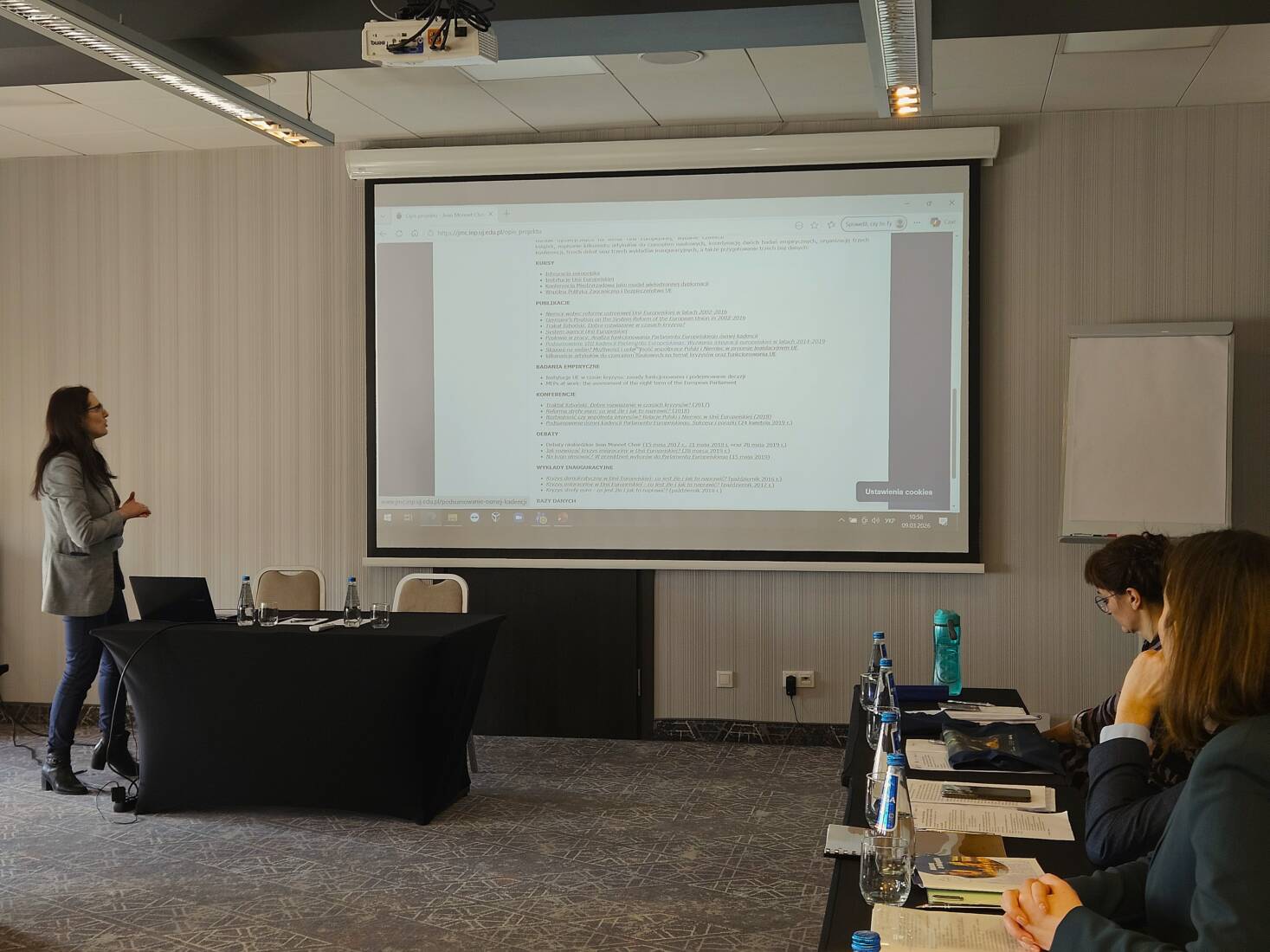
Representatives of the Jagiellonian University Centre for International Cooperation and of various units of the Faculty of International and Political Studies, including the Department of Polish–Ukrainian Studies (Dr Halyna Chuba and Dr Mateusz Kamionka), presented their research and the work of their departments.
A sociological study by Dr Mateusz Kamionka on Ukrainian youth sparked lively discussion. It analyses the main barriers that prevent young Ukrainian refugees from returning home and proposes practical strategies to support their reintegration. Several questions raised by the Polish researcher truly need focused attention in Ukraine: How can Ukrainian institutions ensure that education and work experience gained abroad are recognised and valued after return? What role should universities play in easing the social and professional reintegration of returning youth? How can public policy and private-sector initiatives create attractive career opportunities for young repatriates? What strategies can prevent social tension between young people who stayed in Ukraine and those returning from abroad?
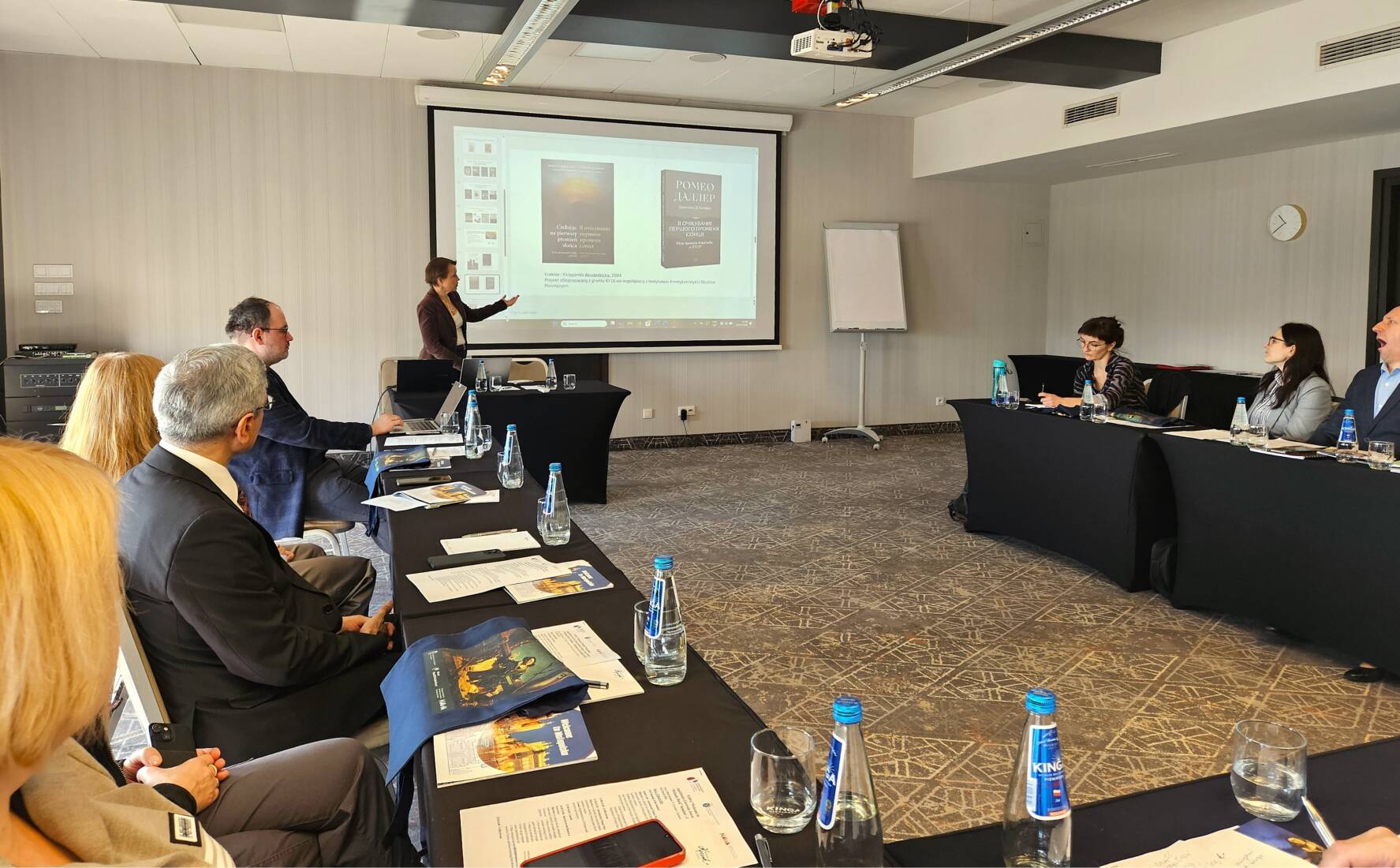
The seminar’s chief organiser, Dr Olesia Kryvenko, moderated another panel on Ukraine: “Ukraine–European Union: Challenges and Prospects of the Accession Process.” The discussion addressed key external and internal challenges affecting Ukraine’s path to the EU: Is Ukraine (its political system, society and economy) ready for EU membership? What obstacles stand in the way? How would Ukraine’s accession affect the EU and its member states? Would it set a precedent for EU enlargement policy?
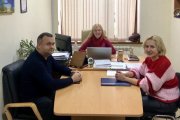
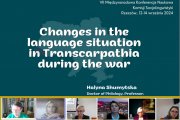
Uzhhorod National University was represented by Prof. Halyna Shumytska, who spoke about the research units of the Faculty of Social Sciences and projects of the Research Centre for the Sociology of Language: “We focus in particular on the dynamics of language awareness among Ukrainian citizens in conditions of war and migration — not only in Zakarpattia, but also in Kyiv, Sumy and Odesa regions, and abroad. We intend to present the results at an international conference we are organising with partners from these regions in June this year in Uzhhorod, with financial support from the University of St. Gallen.
Another current project, in cooperation with the Ukrainian Institute, studies the state of and needs for teaching Ukrainian as a foreign language in Germany, France and Poland. A series of in-depth interviews and focus groups has been conducted in these countries; an analytical report is underway and will be presented at the Institute in the autumn. Colleagues who live and work in Poland, like all of us, value Poland’s support since the start of the full-scale invasion. Ukrainian–Polish relations have gone through difficult periods, yet we share common values and have something worth defending.
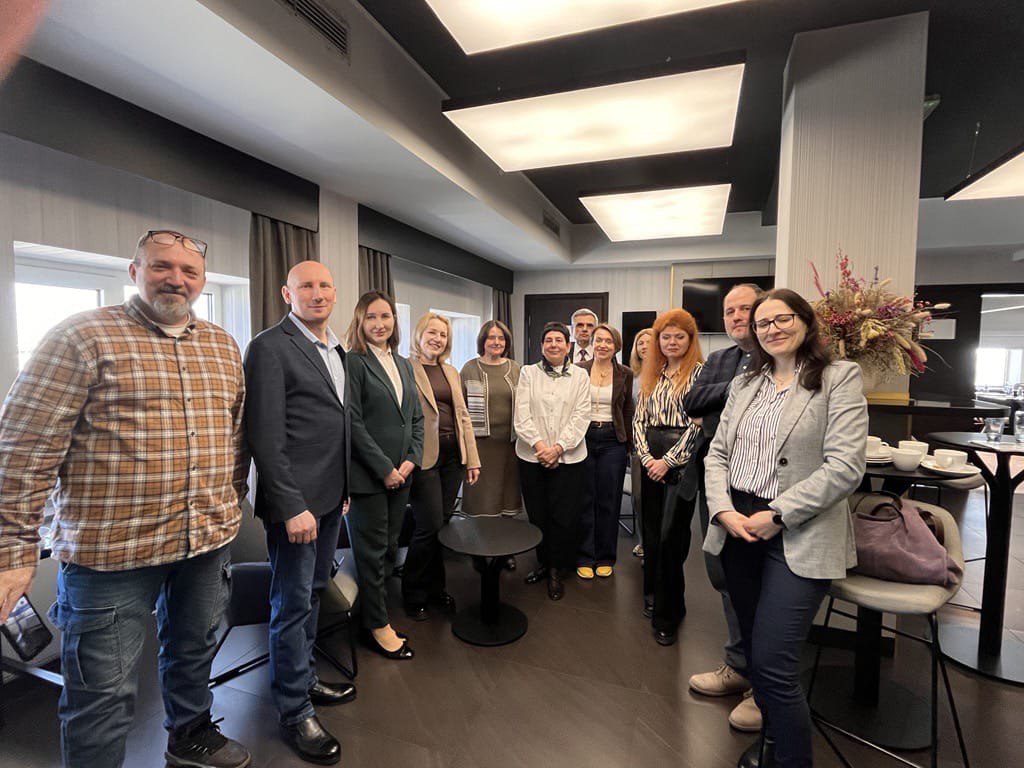
Overall, our university has well-developed international contacts. We are open to cooperation in Ukraine and beyond. We will be glad to welcome scholars from Jagiellonian University and all participants to Zakarpattia and Uzhhorod National University, including during the international conference planned for June 2026.”
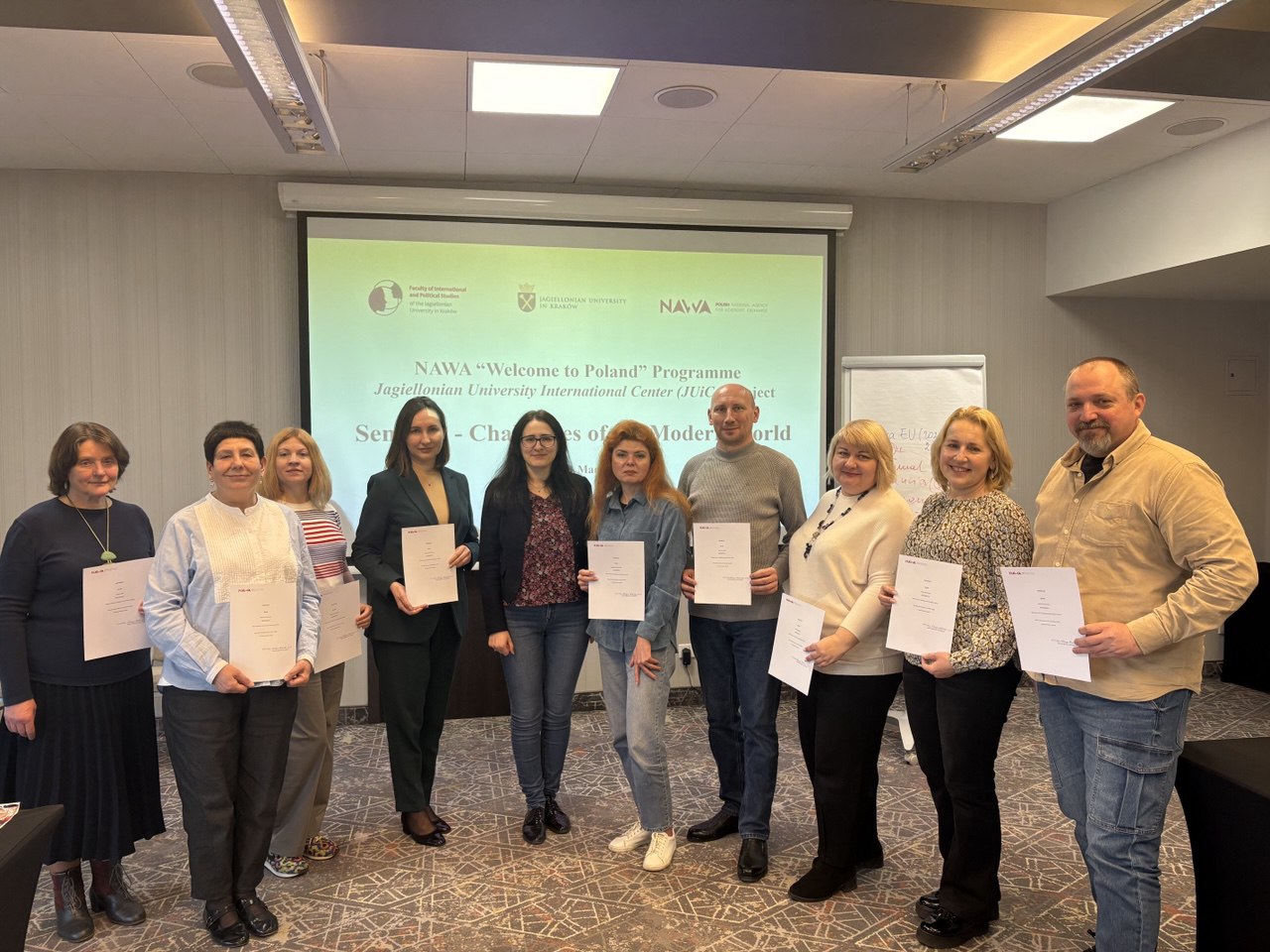
UzhNU Media Center; photos by Agnieszka Kołodziejska-Skrobek and Halyna Shumytska.
Source:
UzhNU Media Center
Other publications