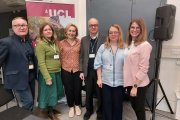
UzhNU concludes a three-day international conference on changes in Ukrainians’ language awareness during wartime
On the final day participants discussed identity shifts, presented new monographs and a photo album, and watched a documentary about the Hungarian community in Zakarpattia.
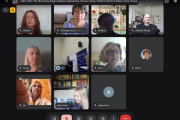
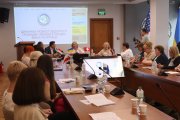
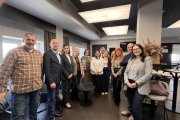
At Uzhhorod National University, a major international conference — “Dynamics of Language Awareness of Ukrainian Citizens in the Conditions of War and Migration” — ran from 10 to 12 June. On the final day, participants presented research and cultural projects that shape language awareness and summed up the three-day forum.
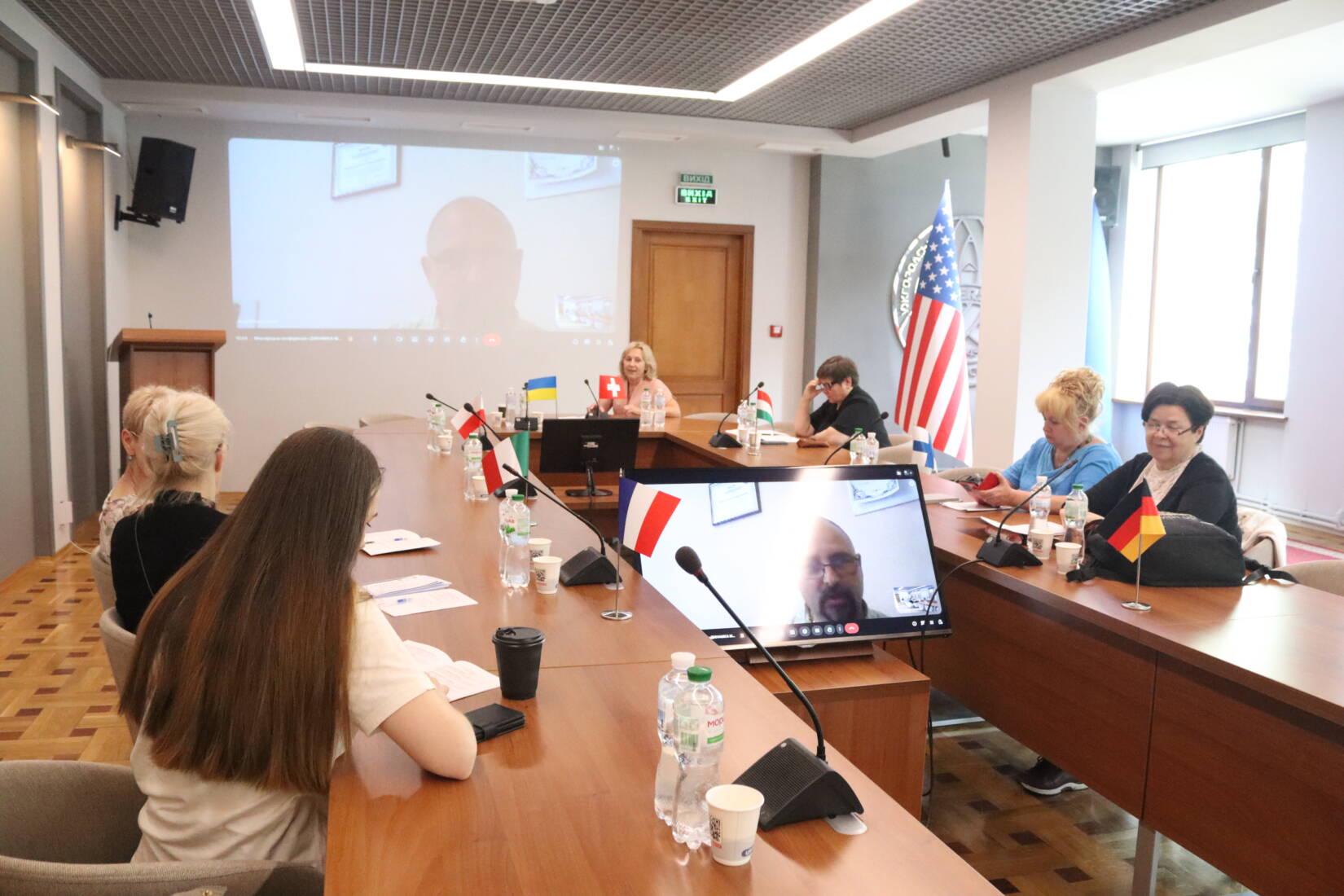

Professor Andrii Kolesnykov, head of the Department of Ukrainian Language and Literature at Izmail State University of Humanities, opened the plenary with a report on language awareness among ethnic minorities in the southern Black Sea area of Odesa region — Bulgarians, Romanians, Moldovans, Gagauz and others. He noted that most communities share a clear weakening of the Russian-language component, alongside a moderate rise in the roles of both Ukrainian and minority languages, including Bulgarian and Romanian.
Among Moldovans, the final stage of transforming language awareness is underway: Moldovan-speaking identity is being replaced by a Romanian-speaking one. Among the Gagauz, the transformation of language identity is still at an early stage. For many ethnic Russians, language awareness has shifted under the influence of a weakening Russian-speaking identity,” noted Andrii Kolesnykov.
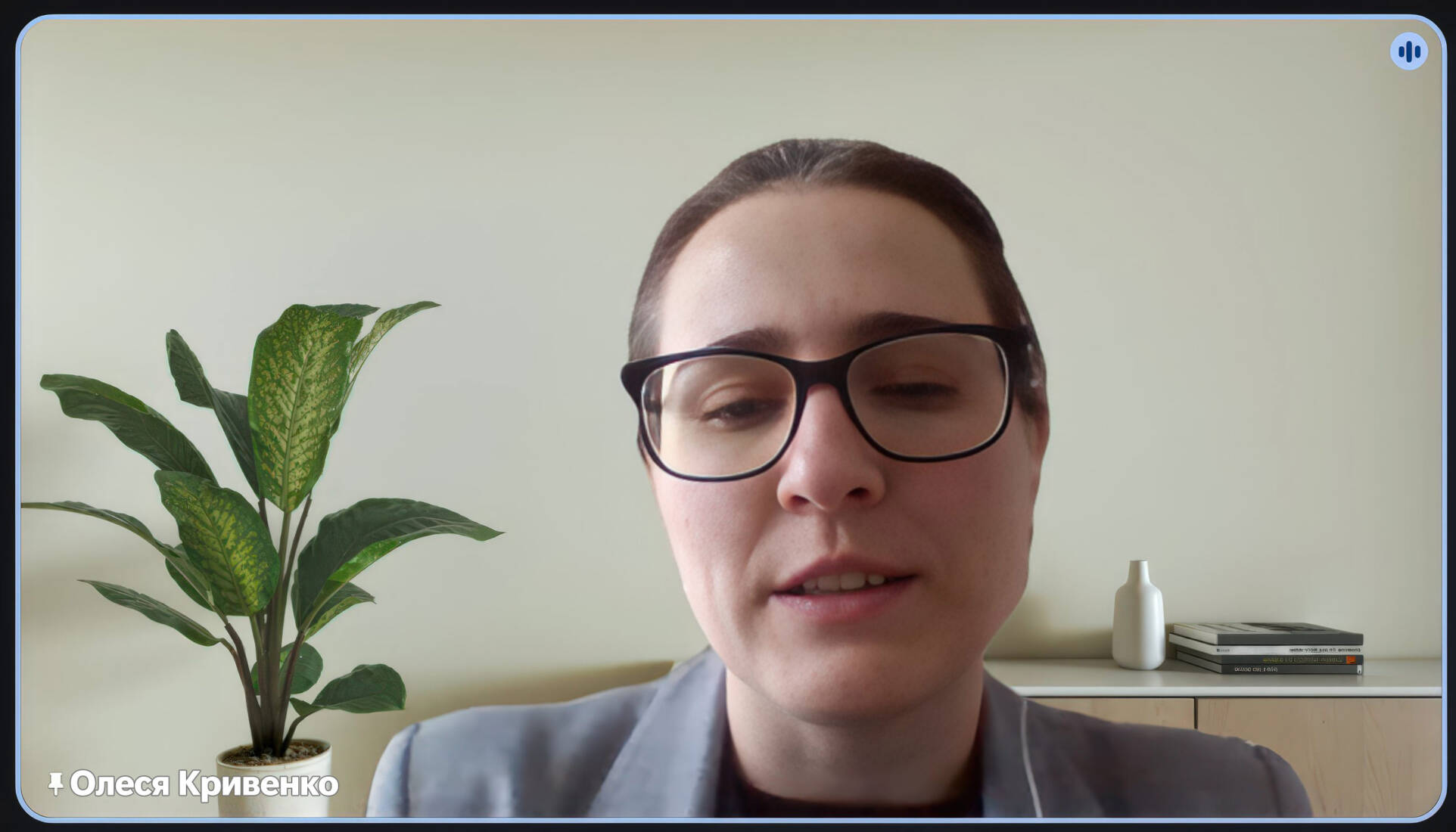
Olesia Kryvenko, adjunct at the Department for the Study of Integration Processes, Institute of Political Science and International Relations, Jagiellonian University in Kraków, spoke about linguistic forms of support for Ukrainians during the war. Her talk addressed shifts in how Polish speakers use prepositions referring to Ukraine — constructions equivalent to “on Ukraine” versus “in / to Ukraine.” Before the full-scale invasion, Poles traditionally used the former, which is stylistically and politically incorrect in Ukraine; since February 2022 the Polish-language space has increasingly moved to “in Ukraine” and “to Ukraine,” underscoring the country’s agency and independence.
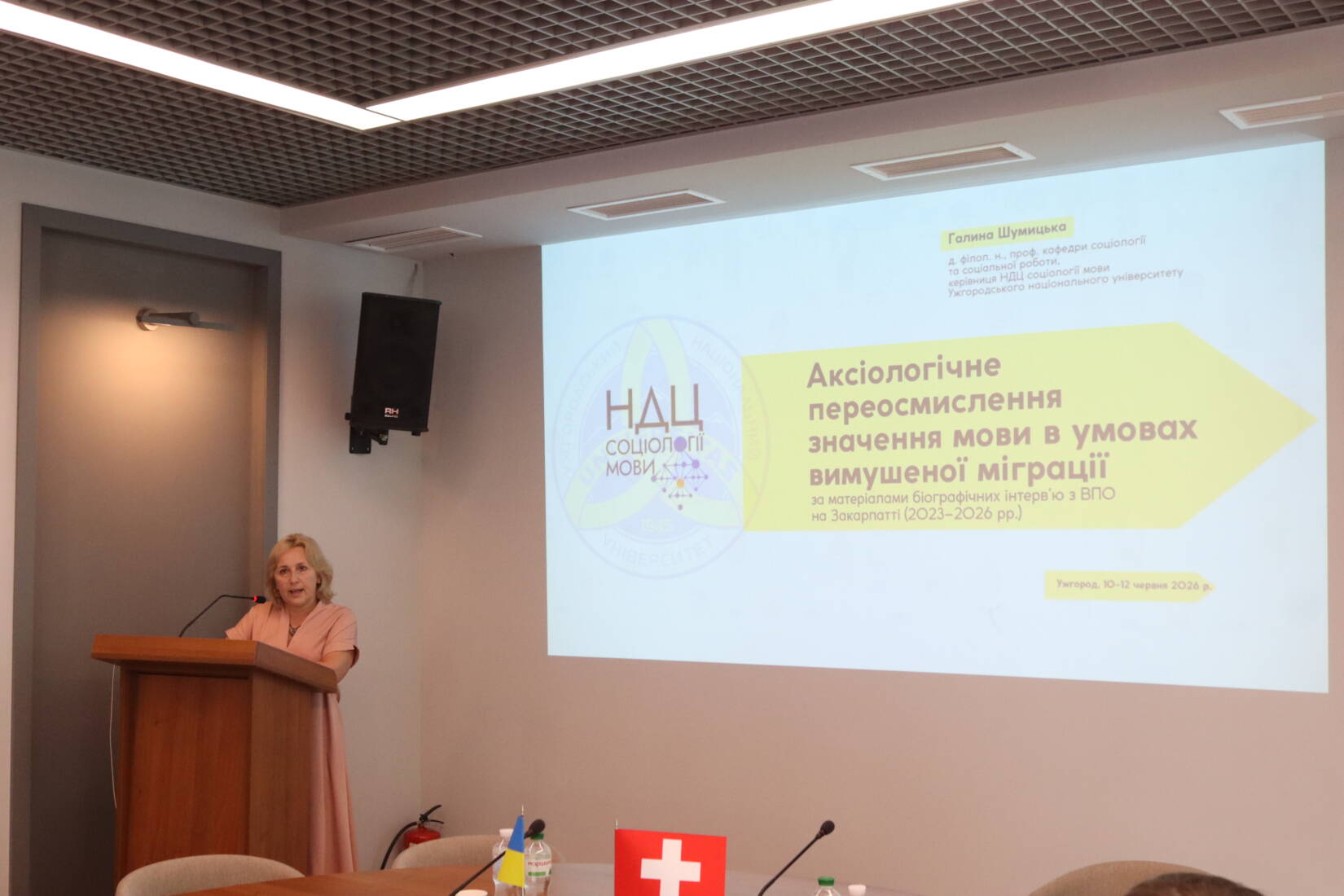
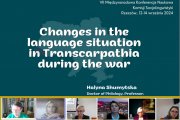
Professor Halyna Shumytska addressed the axiological rethinking of the meaning of language under forced migration.
A new language subjectivity is taking shape, along with “nation-building through language” at the individual level. Internally displaced persons begin to make conscious, wilful efforts to switch to Ukrainian — even when it is psychologically or technically difficult — and take responsibility for their language behaviour. A 16-year-old IDP from Mariupol put this stage of nation-building most sharply: the shift from “living in Ukraine” to “living by Ukraine.”
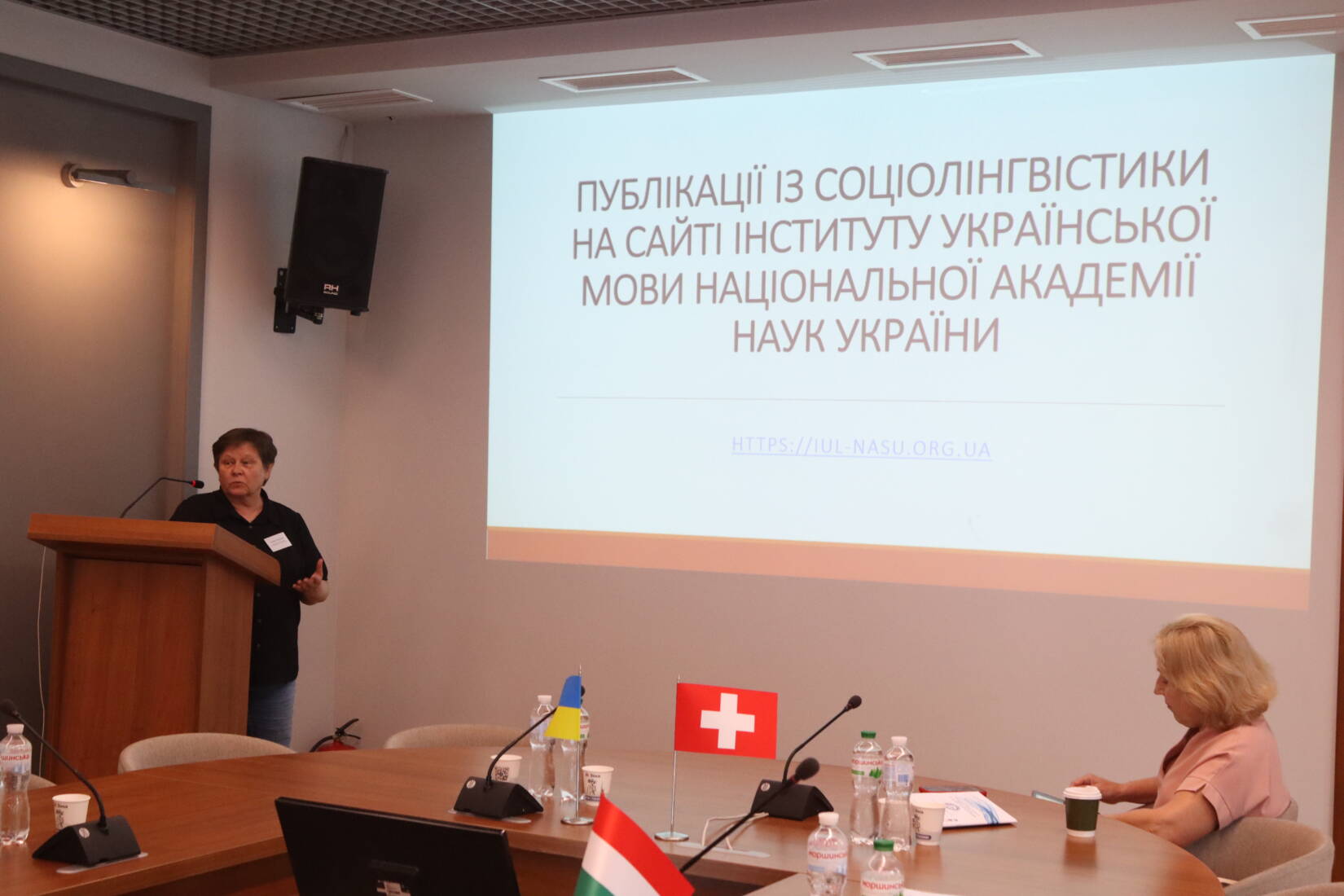
In the presentation block, Professor Svitlana Sokolova introduced new collective monographs prepared by the Institute of the Ukrainian Language (NAS of Ukraine) over the past three years.
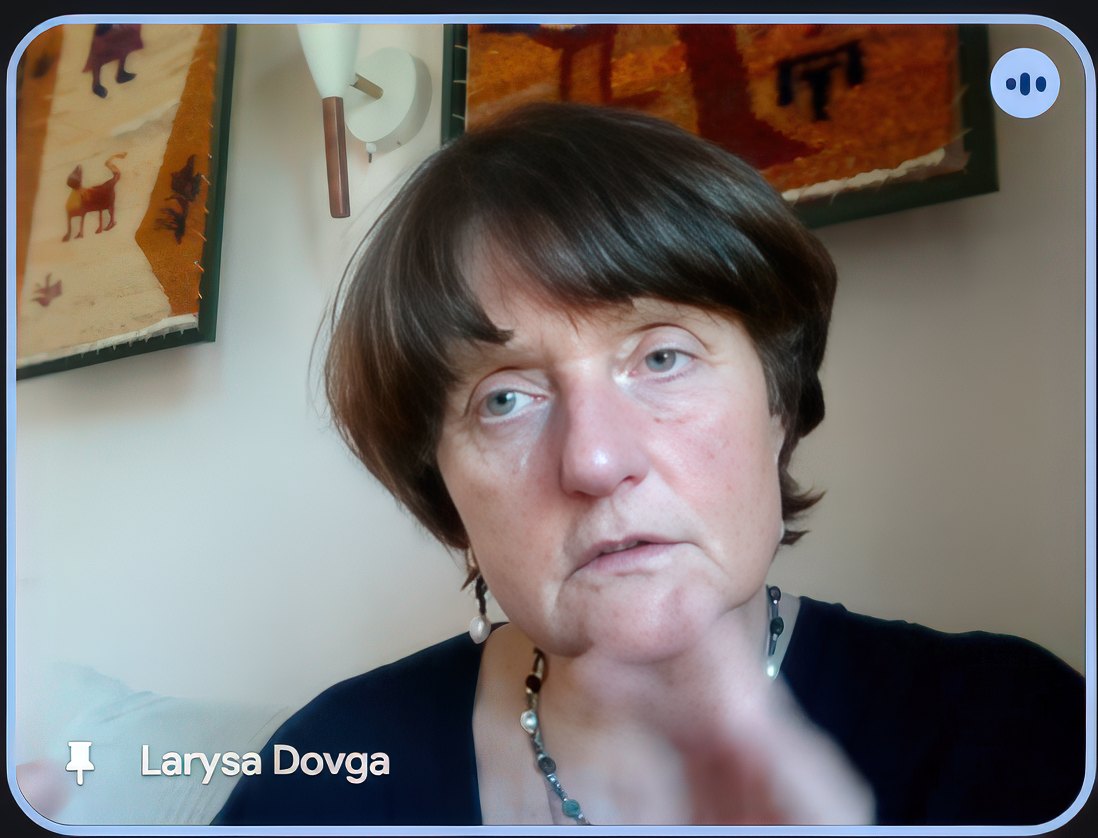
Professor Larysa Dovha presented the “Ukultura” online platform for sharing Ukrainian culture through courses, interviews and analytical materials.
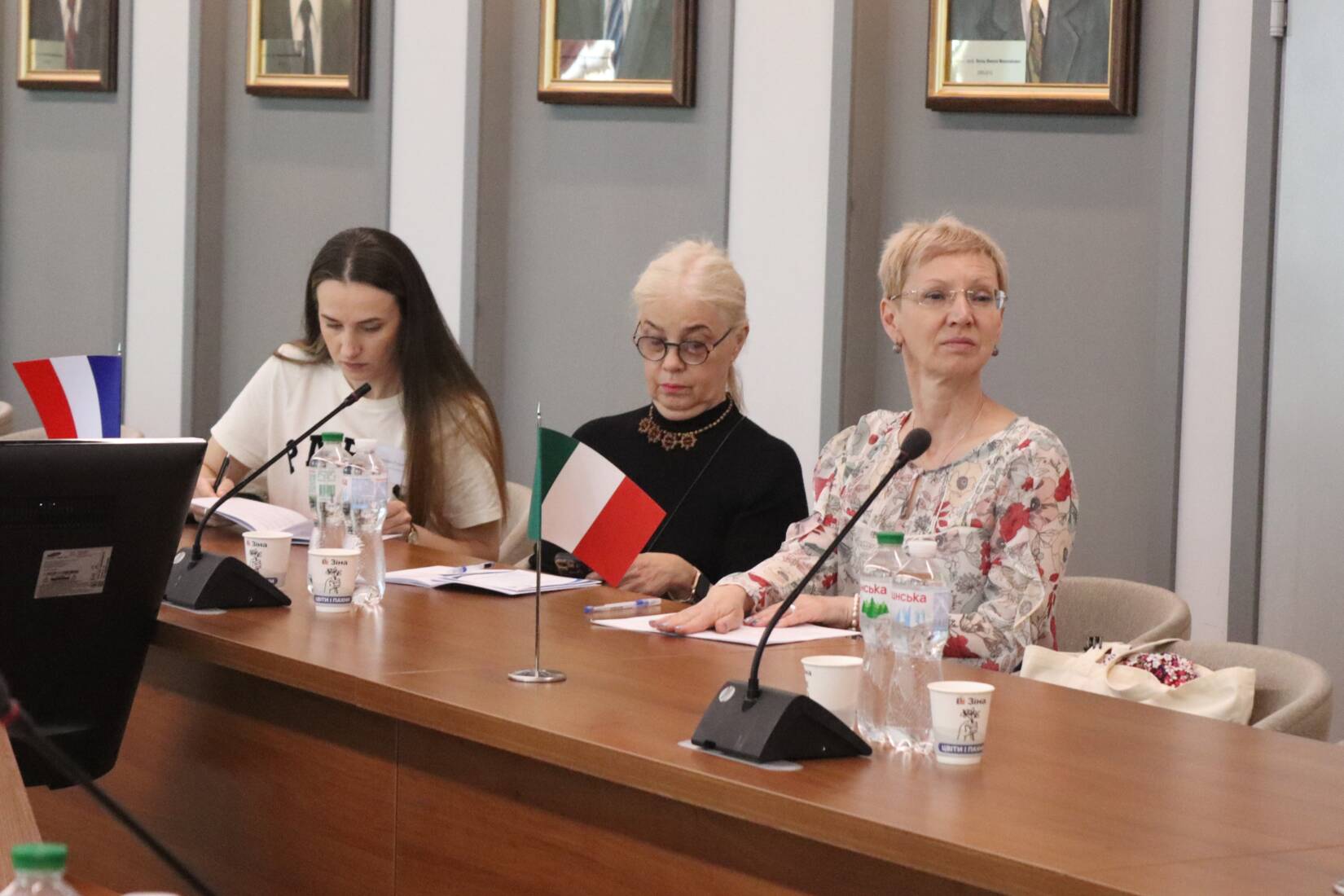
Professor Svitlana Romaniuk (University of Warsaw) presented the photo album “Children’s Faces of Emigration — Stories Between Two Worlds,” created with Małgorzata Kuliczkowska and focused on Ukrainian children studying in Poland.
-
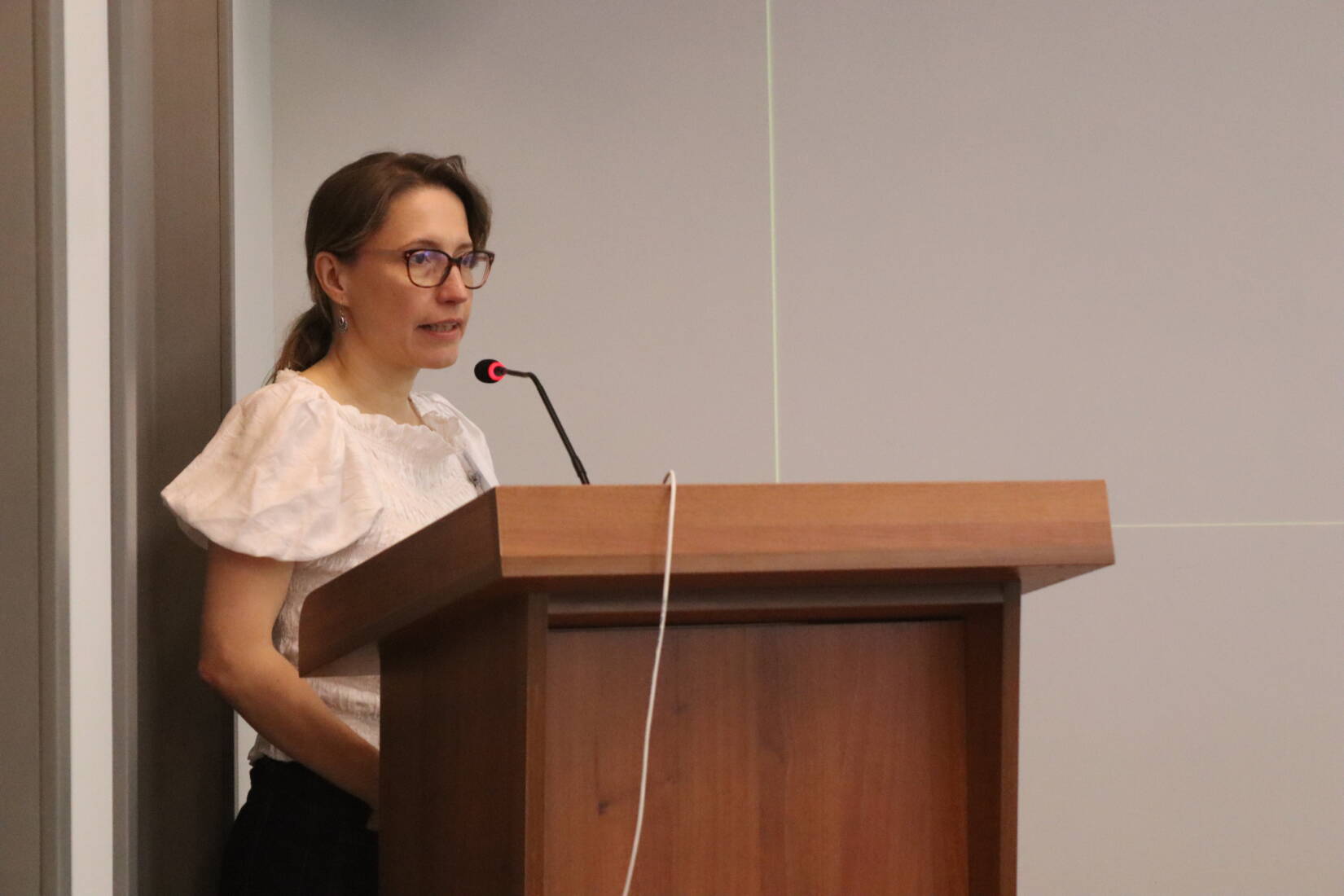
Ágnes Eőry
-
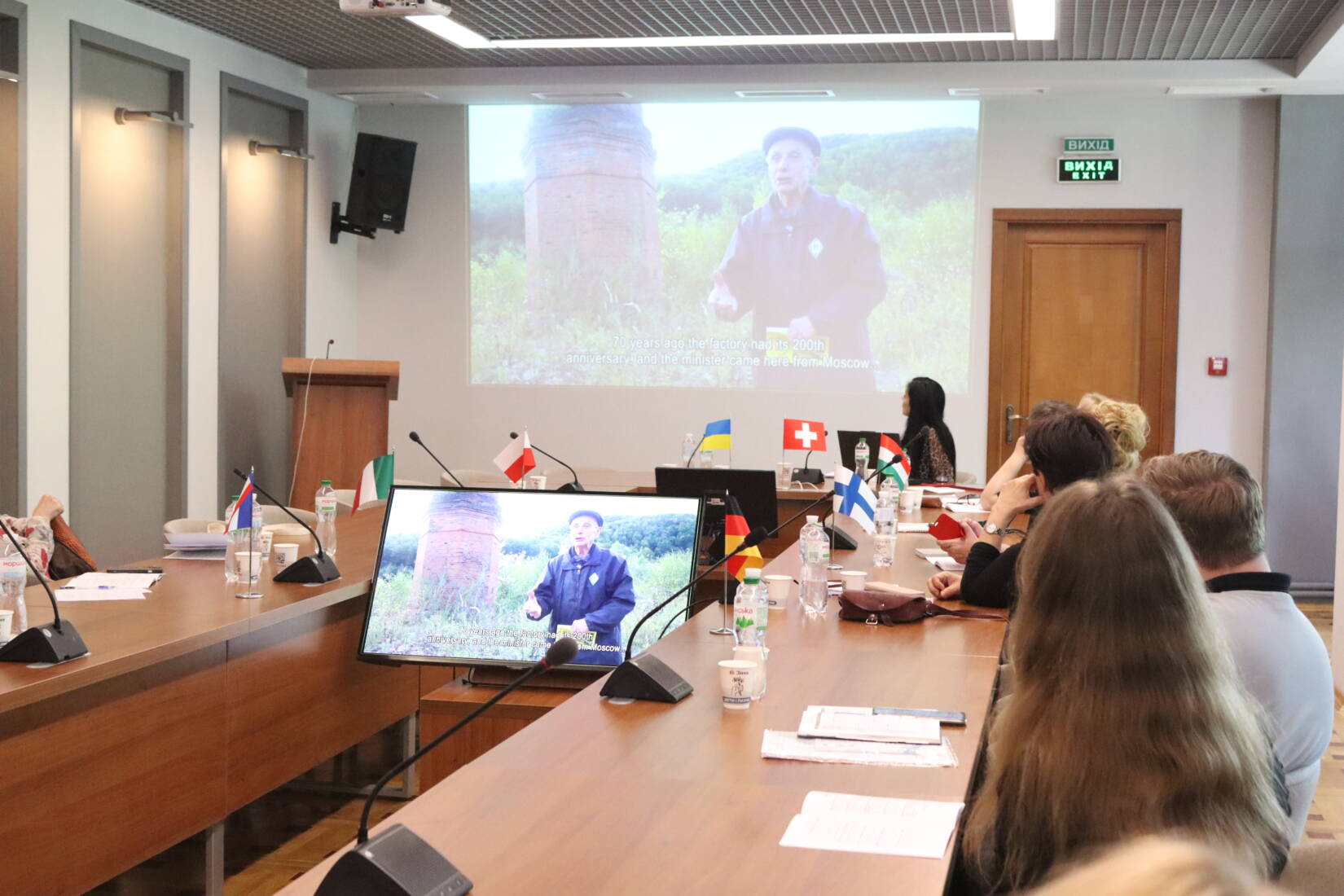
Documentary screening
-
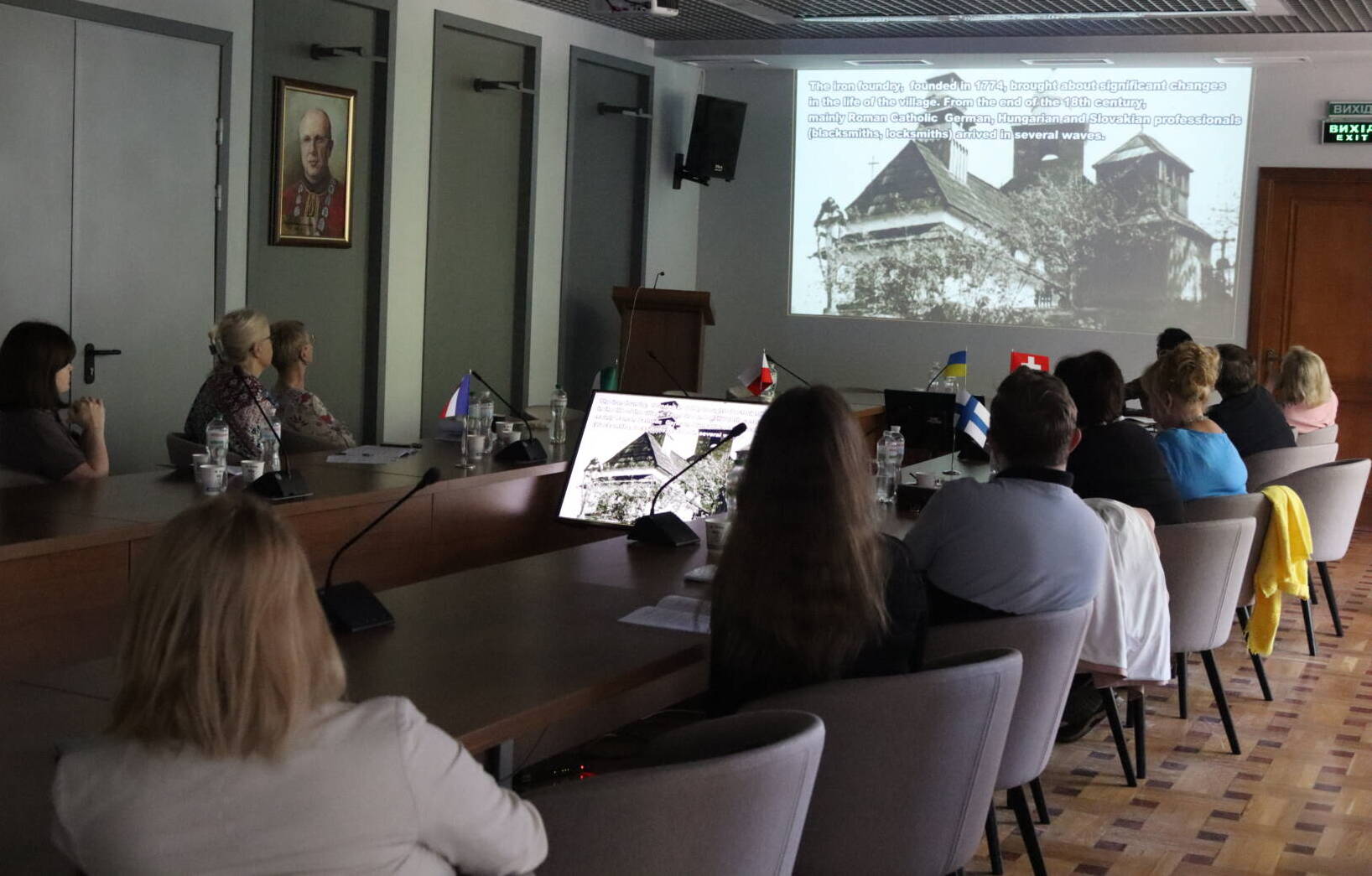
Documentary screening
-
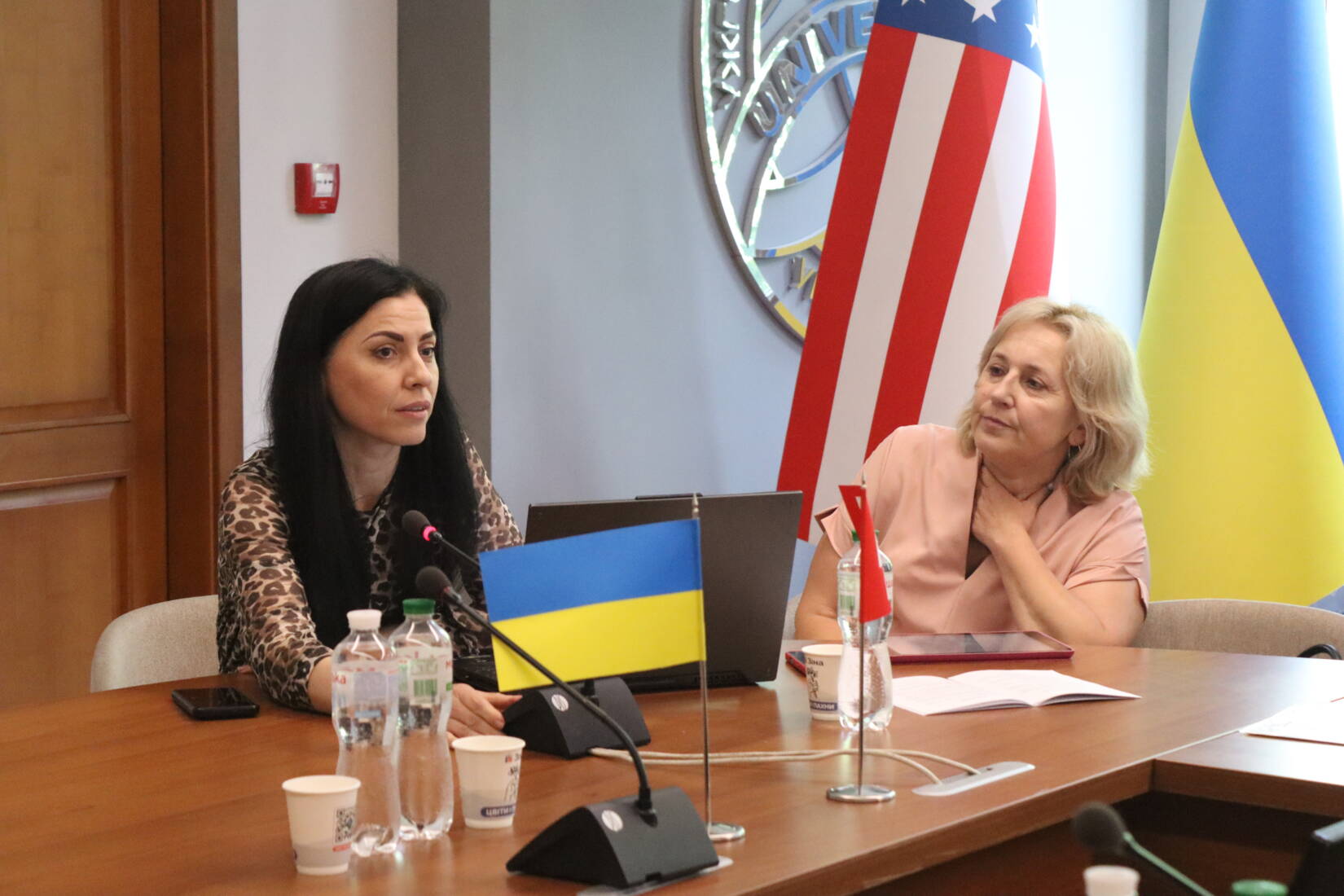
Discussion after the film
-
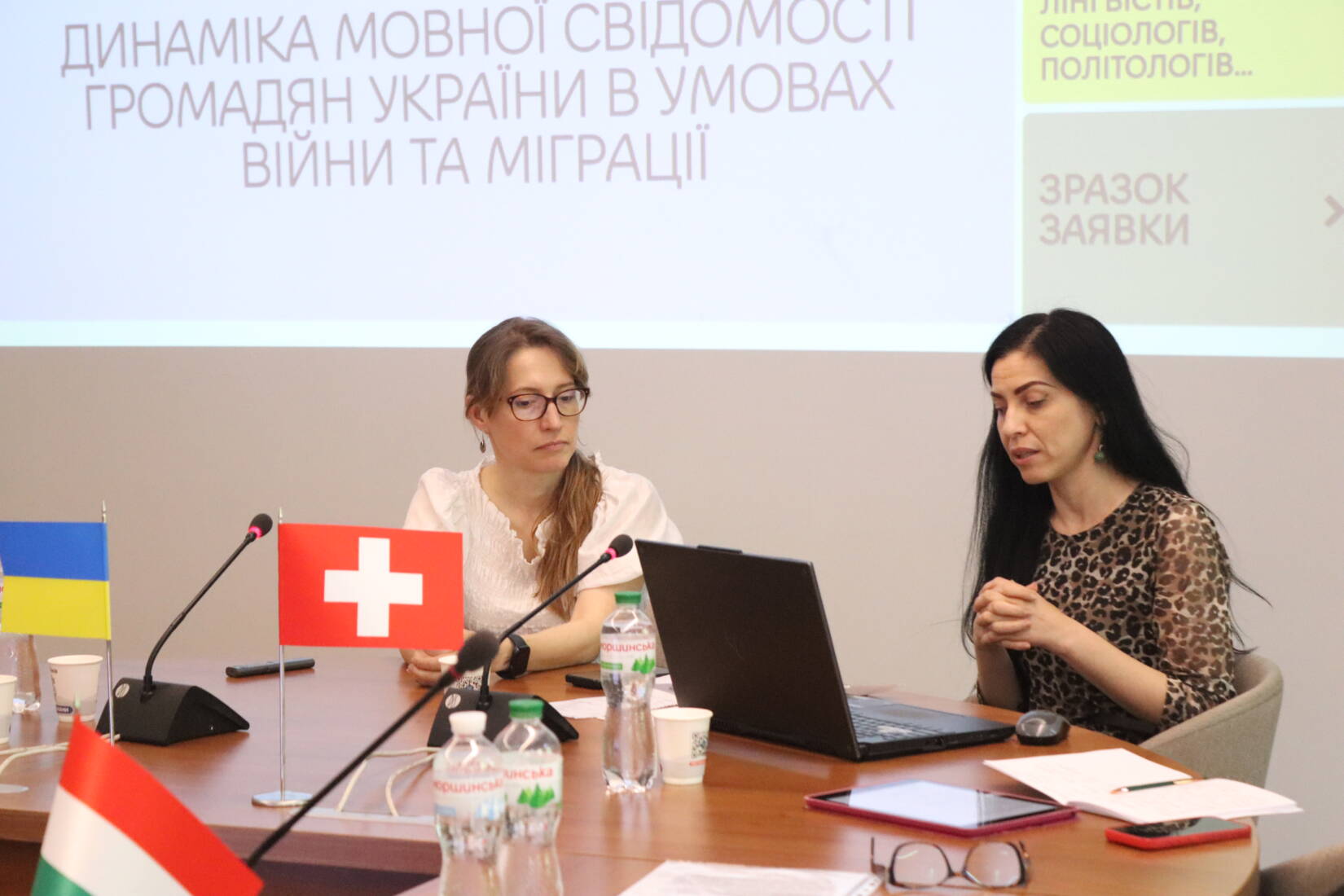
Discussion after the film
The conference closed with a screening of the documentary “Nem kellett már Lenin” (2019), introduced by co-author Ágnes Eőry. The film looks at the Hungarian minority in Kobyletska Poliana (Rakhiv district) after the collapse of the Soviet Union and prompted a lively discussion.

A collective monograph is planned as an outcome of the conference.
Anastasiia Labyk
Source:
UzhNU Media Center
Other publications