The Uzhhorod University Research Centre for the Sociology of Language became the base for an international research project
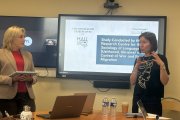
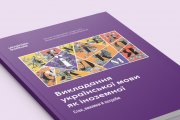
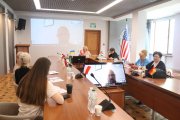
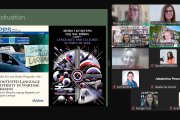
On 7 October the study “Teaching Ukrainian as a Foreign Language: State, Challenges and Needs” was presented — an international-team project hosted by the UzhNU Research Centre for the Sociology of Language and commissioned by the Ukrainian Institute
On 7 October the study “Teaching Ukrainian as a Foreign Language: State, Challenges and Needs” was presented (the project was carried out by an international team in 2024–2026 on the base of the Uzhhorod University Research Centre for the Sociology of Language, commissioned by the Ukrainian Institute; see also Research → Projects).
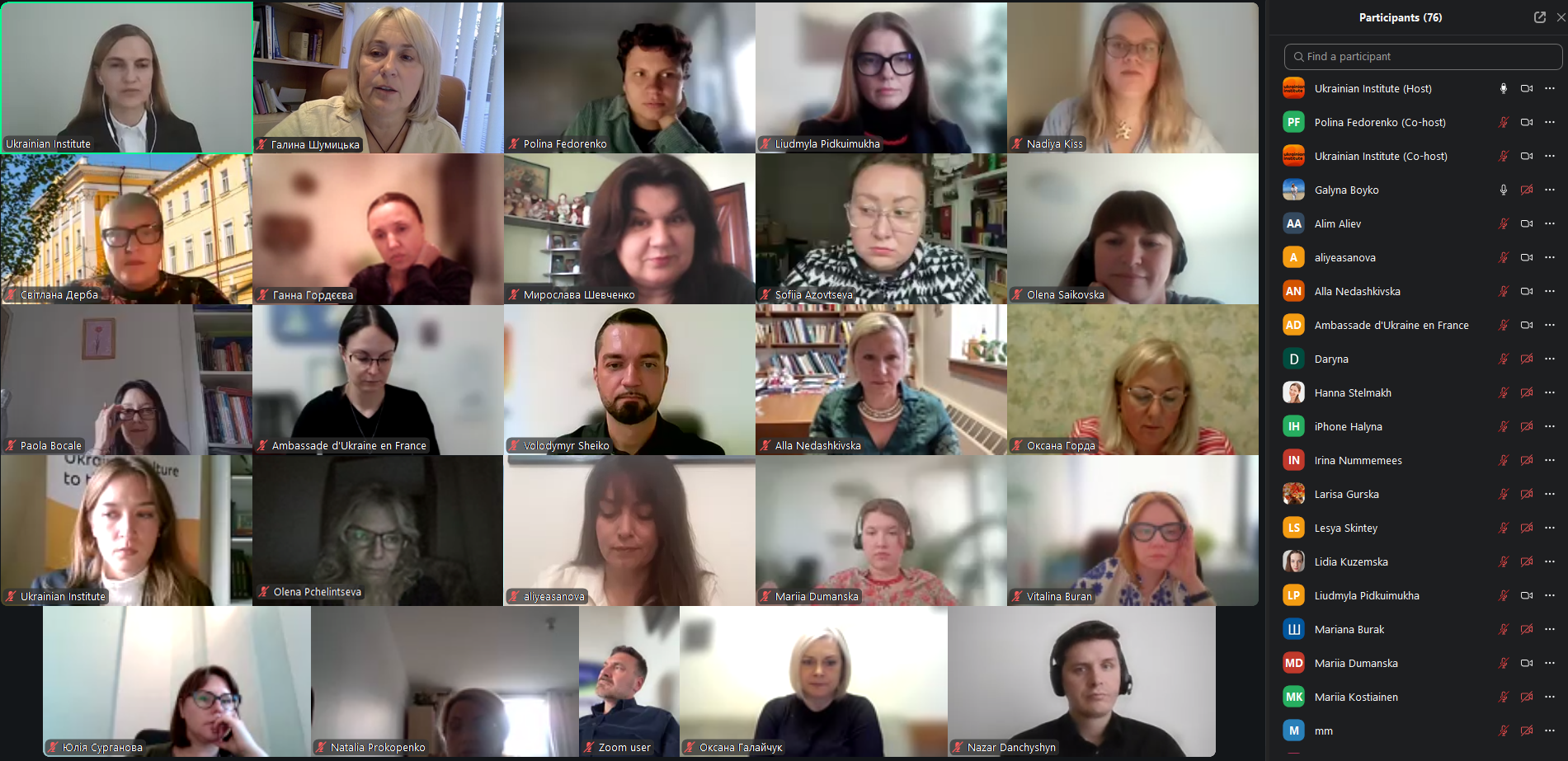
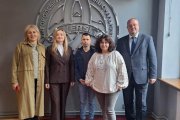
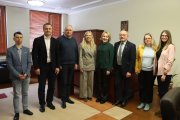
The study’s authors are Prof. Halyna Shumytska (Uzhhorod University, Ukraine), Dr Liudmyla Möbius (Justus Liebig University Giessen, Germany) and Dr Nadiya Kiss (University of Erfurt, Germany).
-
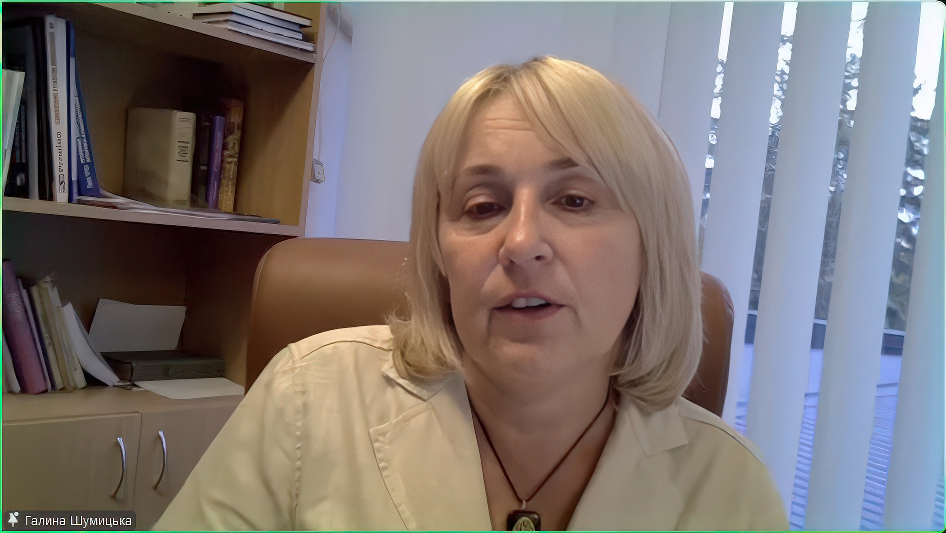
Halyna Shumytska
-
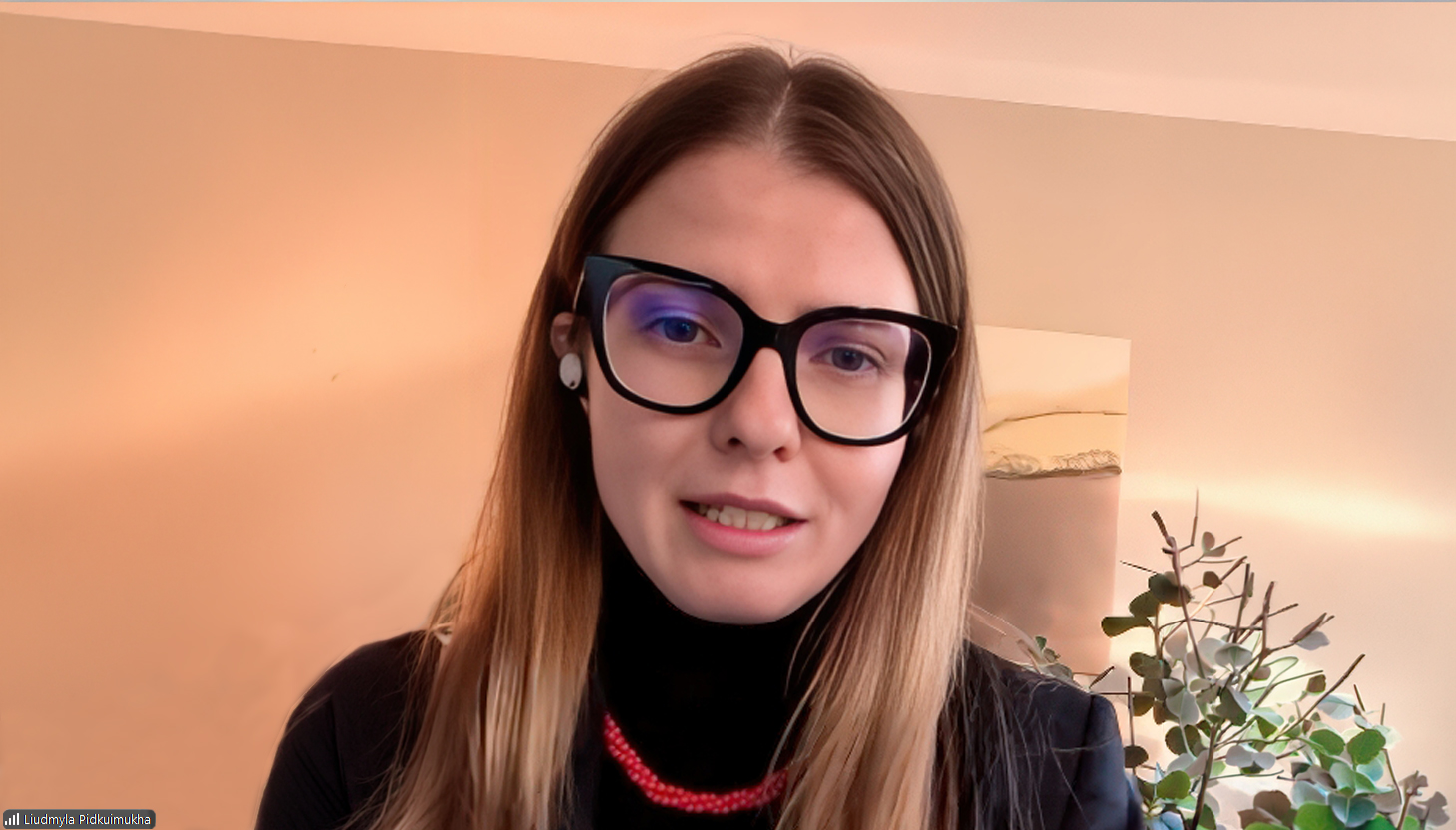
Liudmyla Möbius-Pidkuimukha
-
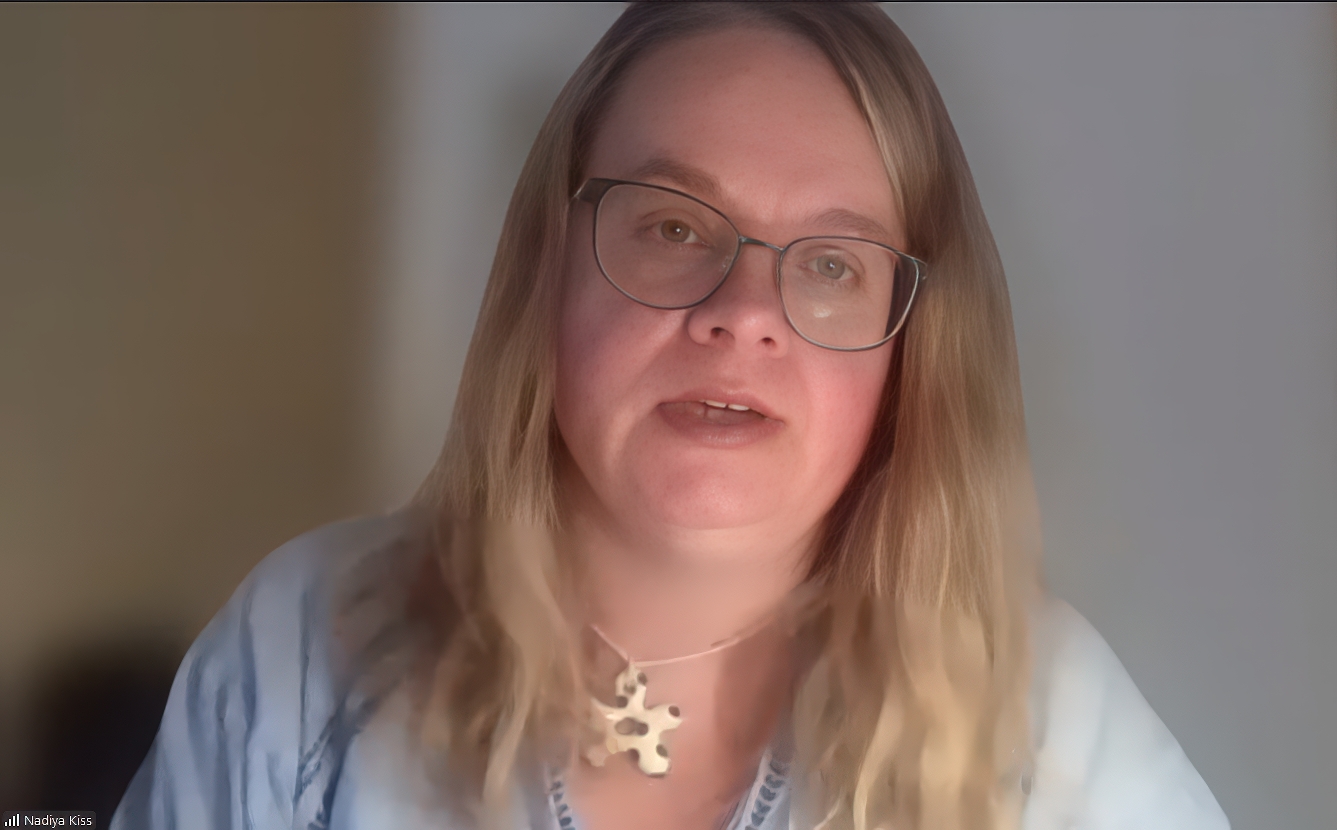
Nadiya Kiss
The research team also included Dr Halyna Chuba of Jagiellonian University (Poland); Tetiana Riezanova, manager of private courses for adults at the association “La Maison Ukrainienne” (Saint-Germain-en-Laye, France); Dr Olena Pylypei, a teacher of Ukrainian as a foreign language for adults at the same association; and Yuliia Nikolaienko, moderator at the MZ Hub Agency.
What is the study about? It offers a comprehensive analysis of the current state of teaching Ukrainian as a foreign language (UAFL) in three countries of the Ukrainian Institute’s priority geography — Germany, France and Poland — as well as in Ukraine.
Why was it conducted? To outline key challenges and development prospects in the field, with a view to producing recommendations for Ukrainian stakeholders and informing the Ukrainian Institute’s planning for the promotion of Ukrainian worldwide.
What methodology was used? Desk research (the legal framework, scholarly publications, current statistics, official reports, university programmes, websites of state bodies, NGOs, educational and cultural projects, media coverage, and more) was combined with field research (in-depth semi-structured expert interviews and focus groups) carried out in several stages during 2024–2025.
The sample of respondents abroad covered 33 key stakeholders in the educational process (13 in Germany, 8 in France, 12 in Poland) with insider expertise. This approach yielded unique insights into informal “horizontal ties,” the real (not merely declared) availability of teaching materials, and bureaucratic barriers in universities that quantitative surveys cannot capture.
To study the experience of those who receive educational services, a series of focus-group discussions was held (2 in Germany, 1 in France, 2 in Poland), with participants drawn from university programme students and learners on non-academic language courses. Interaction during the discussions encouraged a deeper account of how their motivation evolved, helped identify shared cognitive and methodological barriers, and allowed a joint assessment of existing textbooks and digital tools. The group format made it possible to verify individual problems as broader systemic tendencies.
The study’s tasks: to fill information gaps regarding the real needs of the teaching community and students in Ukraine and abroad; to bring into view the problems that hold back the development of Ukrainian studies; to analyse how Ukraine influences the teaching of Ukrainian abroad; and to propose recommendations for moving from ad hoc responses to systemic strategic planning — which, in turn, should help establish Ukrainian in the European educational space as a language of professional opportunity and intercultural dialogue.
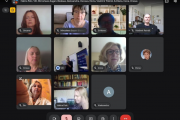
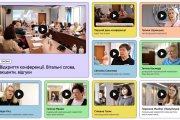
Representatives of the commissioning institution joined the discussion, including Ukrainian Institute Director General Volodymyr Sheiko, Deputy Director General Alim Aliyev, Head of the Sector for Promoting Ukrainian Abroad Olha Los, University of Alberta Professor Alla Nedashkivska — co-founder of the International Association of Teachers of Ukrainian and vice-president of the American Association of Teachers of Slavic and East European Languages — as well as Svitlana Derba, Head of the Department of Ukrainian Philology for Foreign Citizens at Taras Shevchenko National University of Kyiv, and other members of a large online audience who raised a range of pressing questions about UAFL in Ukraine and abroad, confirming how important and urgent their resolution is.
-
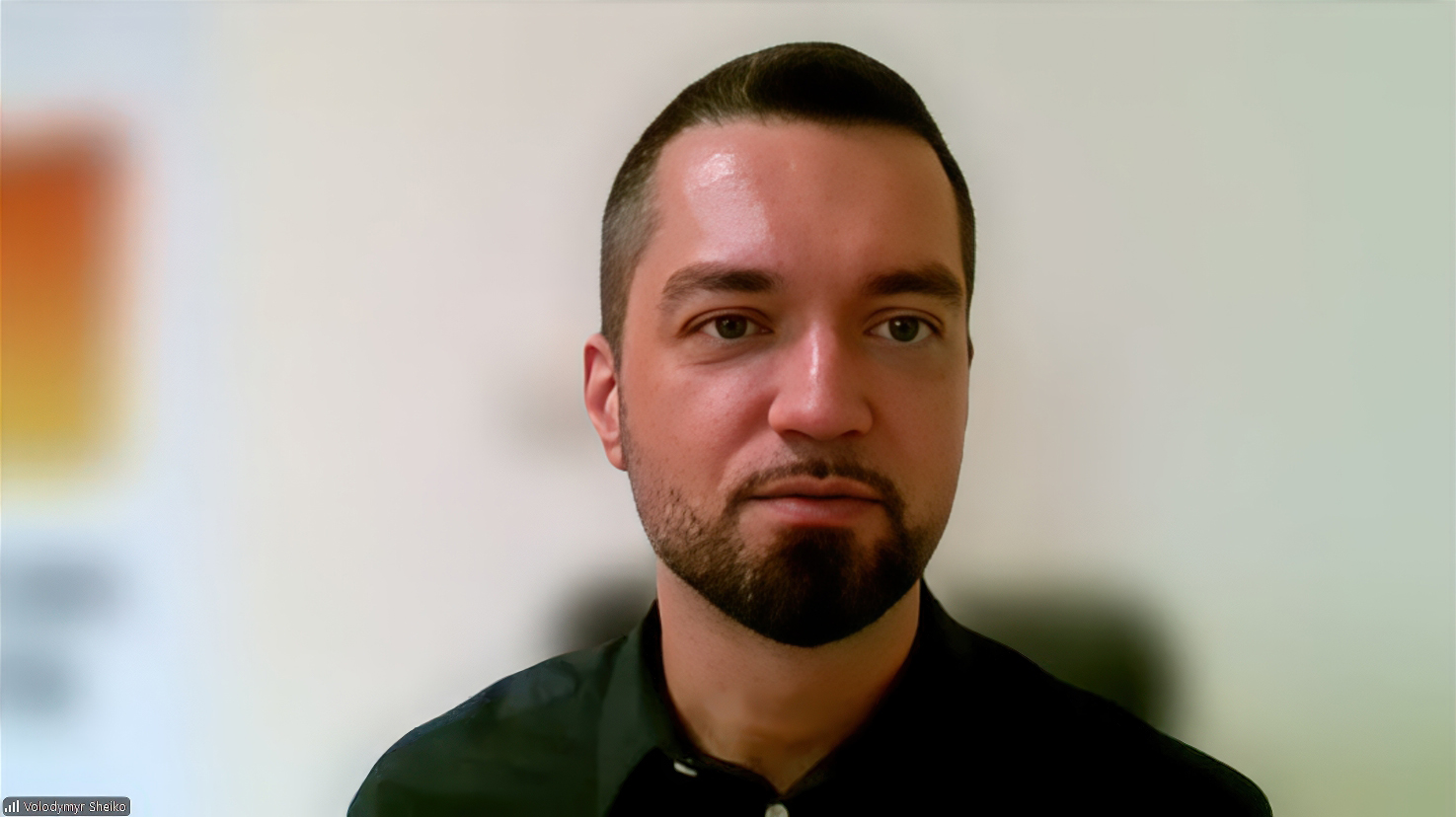
Volodymyr Sheiko
-
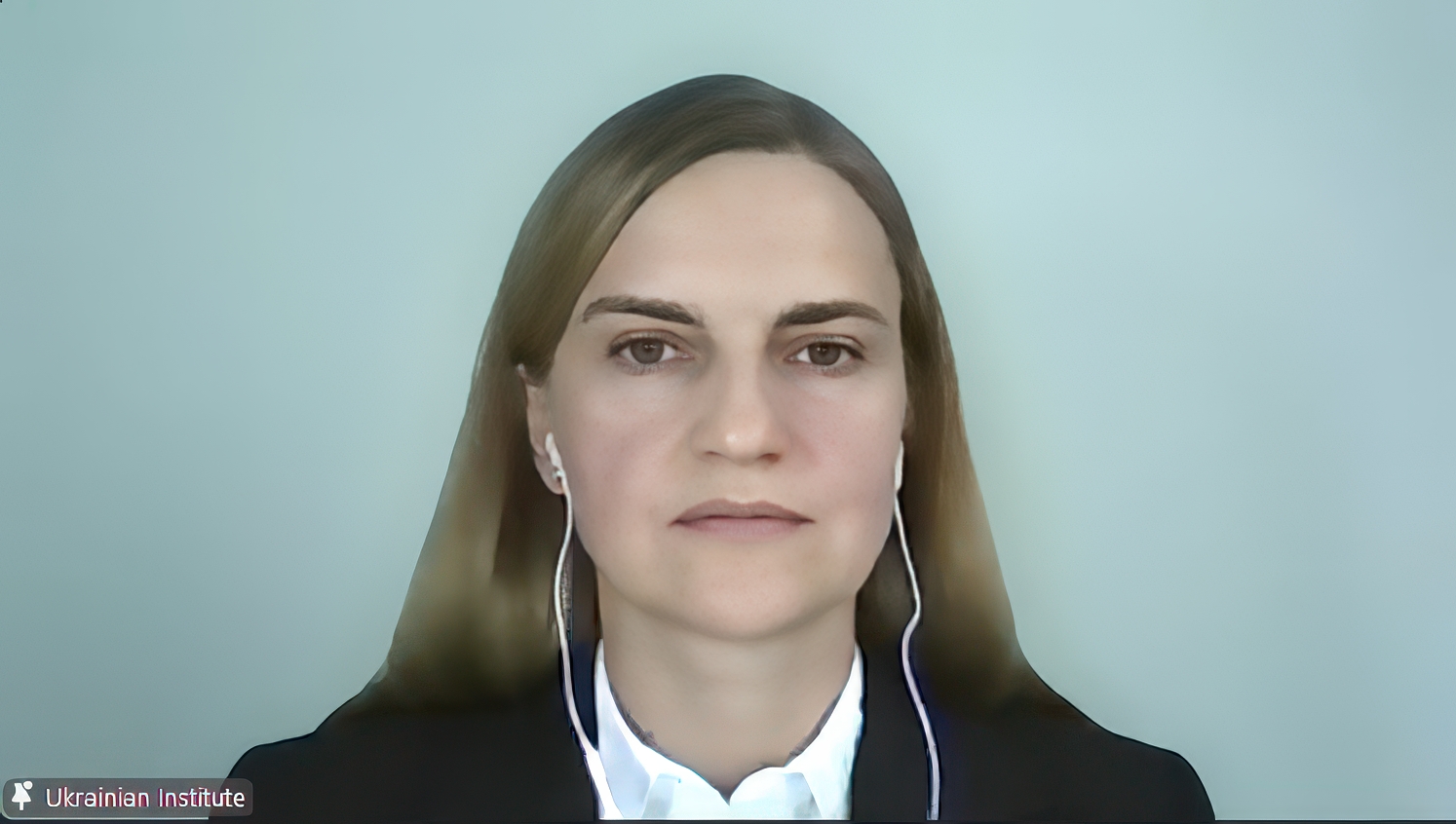
Olha Los
-
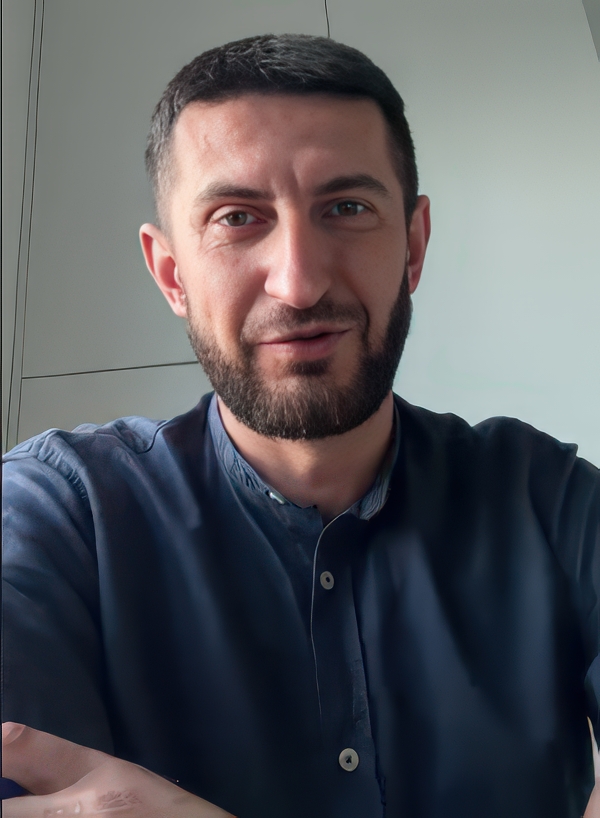
Alim Aliyev
-
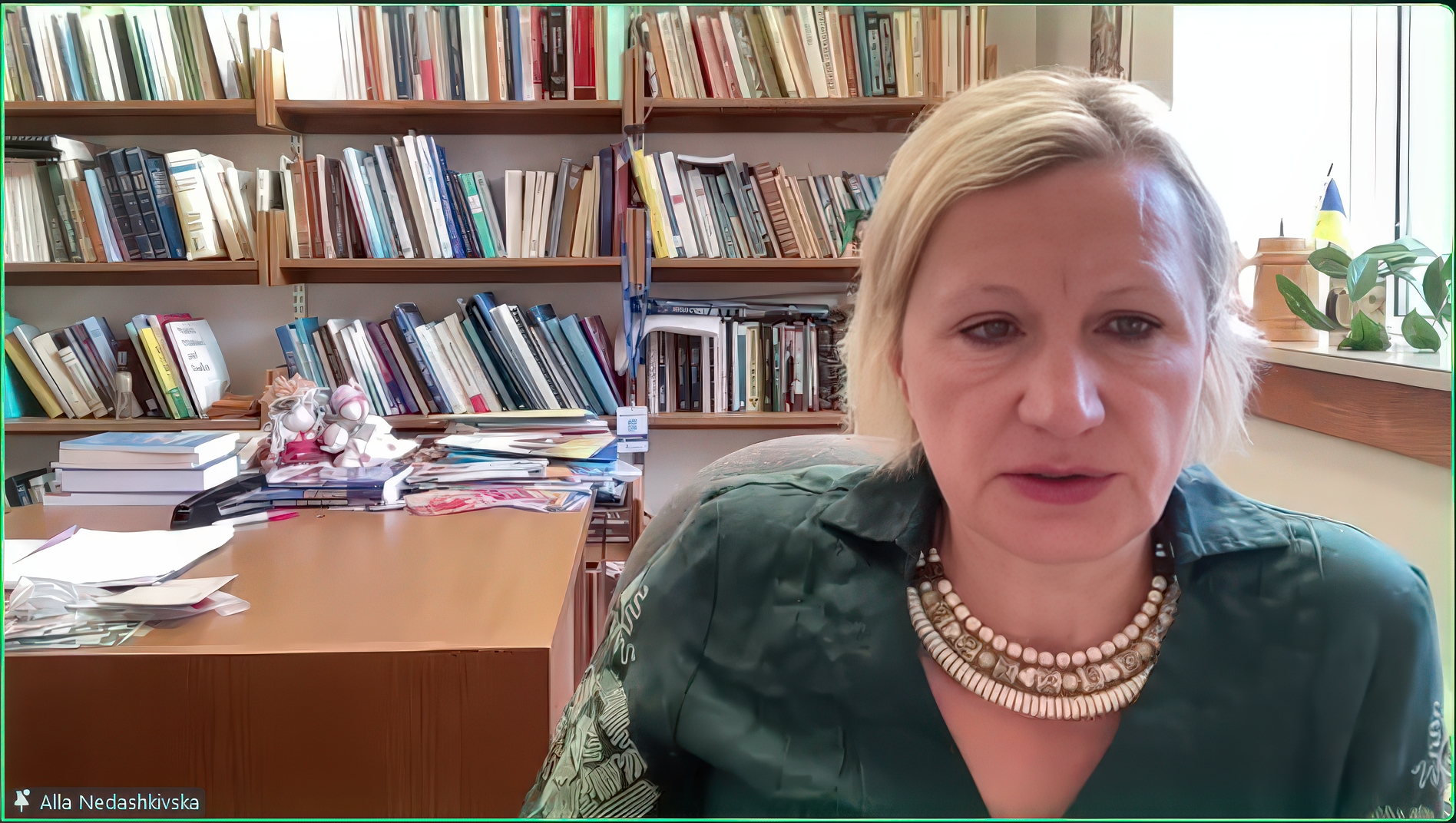
Alla Nedashkivska
-
Svitlana Derba
-

Pavlo Levchuk
-
Ambassador
The text of the study will soon be published in open access on the Ukrainian Institute website and sent personally to all registered participants of the presentation.
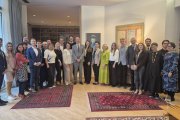
We also congratulate the Ukrainian Institute on hosting a landmark event — the 7th International Forum of Cultural Diplomacy, to which Uzhhorod University scholar Halyna Shumytska was invited — and University of Alberta Professor Alla Nedashkivska, who became a laureate this year of the “Khvylia / Dalğa” Prize together with the other awardees.
Research Centre for the Sociology of Language
Source:
UzhNU Media Center
Other publications