Halyna Shumytska: “Ukrainian studies are asserting themselves in world Slavic centres”
Among the co-organisers of the major international conference “Languages and Cultures in Times of War: the (Im)possible, (Re)interpreted, (Un)manageable” was the newly established Research Centre for the Sociology of Language at UzhNU.
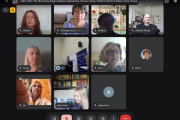
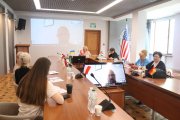
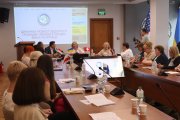
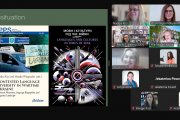
Living through one of the turning points of its history, Ukraine — at the cost of its best lives — has gained a chance to step out of the shadow of the Muscovite empire and tell the world about itself in its own voice. One of the events where Ukraine was central was the major international conference “Languages and Cultures in Times of War: the (Im)possible, (Re)interpreted, (Un)manageable,” co-organised by the UCL School of Slavonic and East European Studies, the Institute of Slavic Studies at Justus Liebig University Giessen, the Department of Philology at the Ukrainian Catholic University, and the newly established Research Centre for the Sociology of Language at UzhNU.
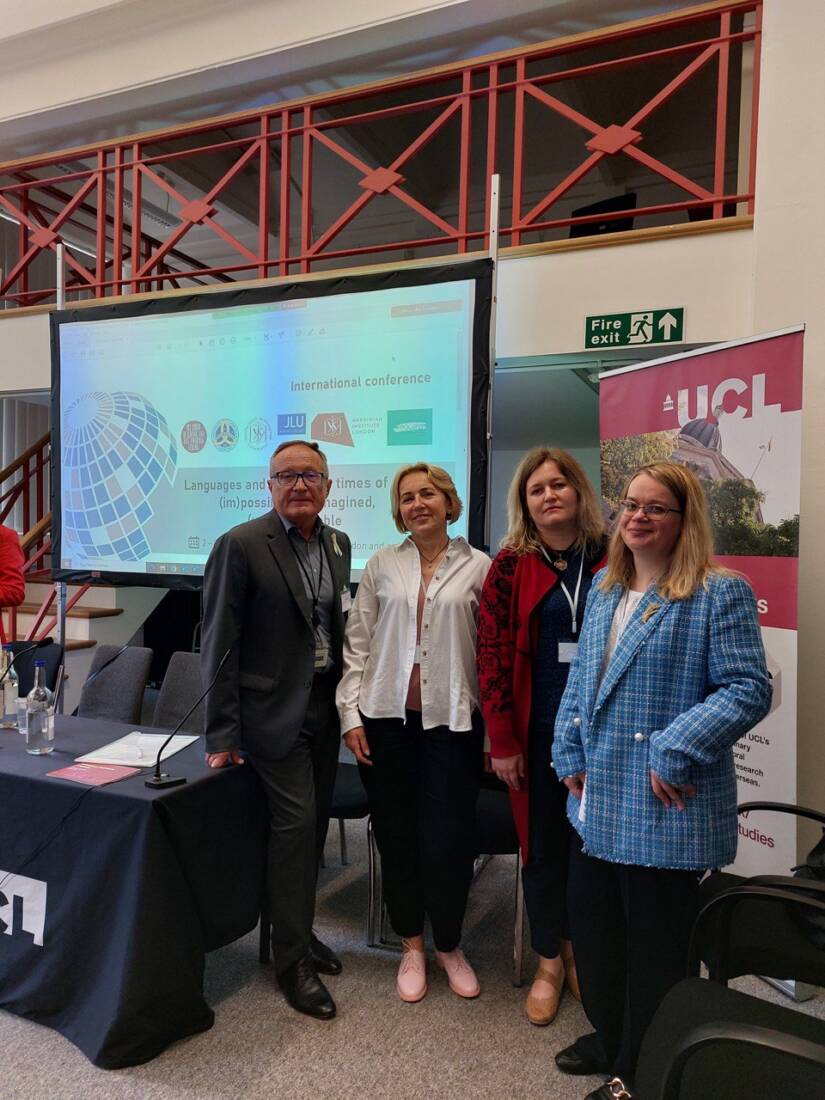
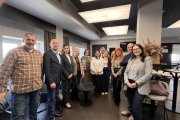
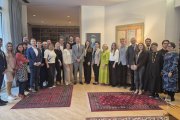
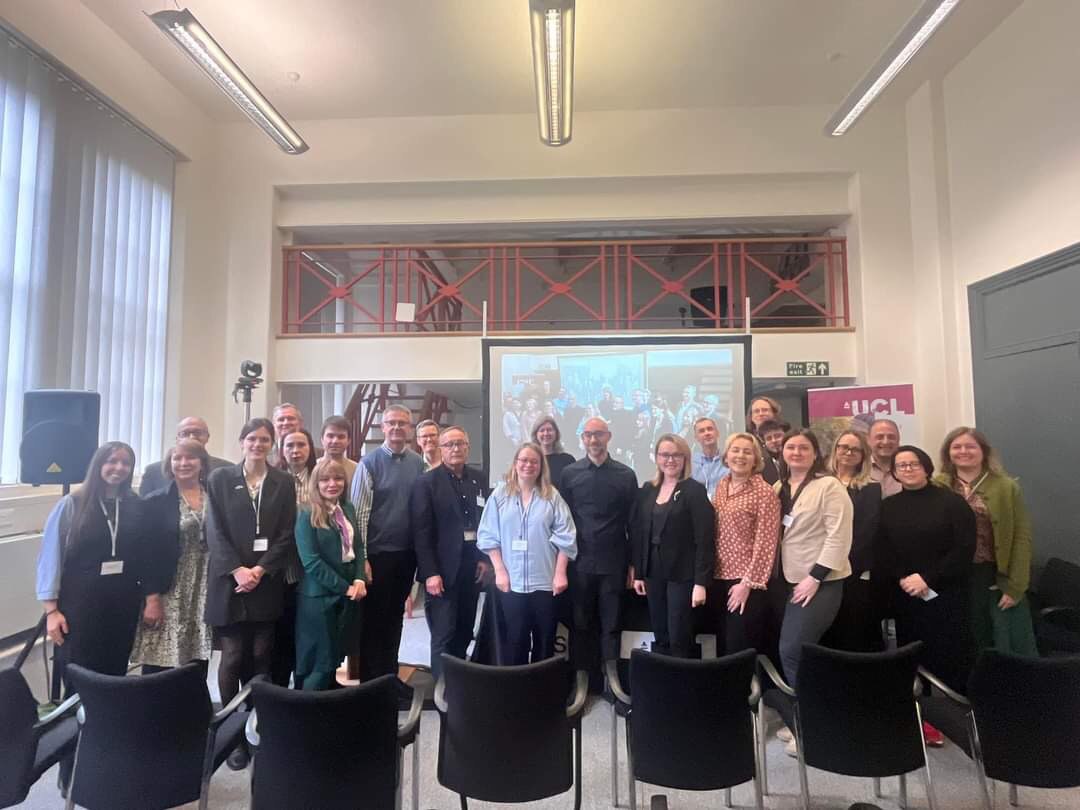
The two-day forum at the Institute of Advanced Studies in London brought together more than a hundred scholars, including Slavists, from leading universities in Britain, Ukraine, Germany, Poland, Georgia, Norway, Austria, Canada, Italy, Spain, the Netherlands, Bulgaria, Palestine, Turkey, Vietnam and Taiwan.
The main aim was to examine how warfare affects the world’s cultures and languages, and with what consequences. The topic matters far beyond Ukraine: dozens of armed conflicts continue worldwide.
Ukraine’s State Language Protection Commissioner Taras Kremin greeted conference participants.
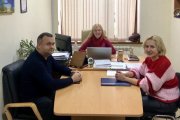
Uzhhorod National University was represented by Head of the Research Centre for the Sociology of Language, sociolinguist Professor Halyna Shumytska, and Associate Professor of English Nataliia Chendei.
Foreign colleagues are interested in multiethnic Zakarpattia
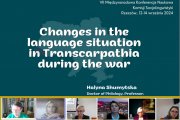
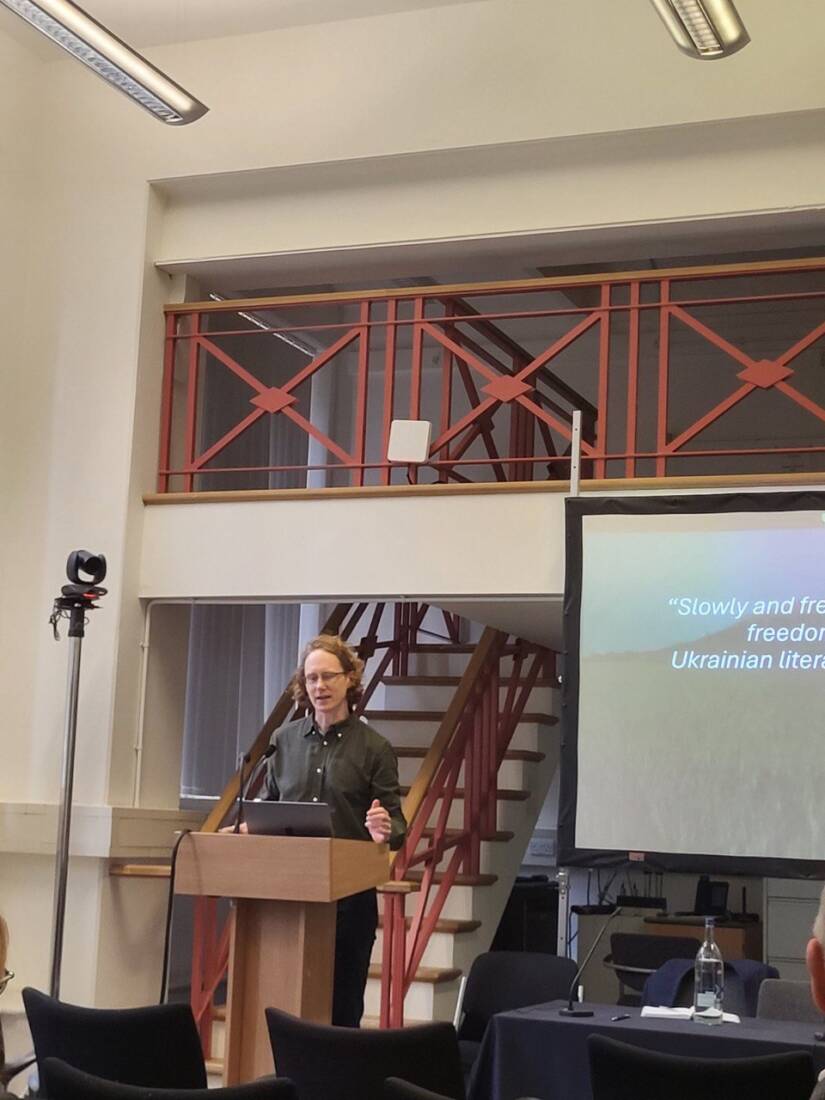
As a co-organiser, Professor Halyna Shumytska presented the paper “Zakarpattia as a rear region of Ukraine: language situation and language policy during the war.” She set out to speak about a rear region that, while hosting relocated institutions and many fellow citizens from active combat zones, is again facing language-adaptation challenges — and meeting them with long experience of constructive language behaviour in a multicultural society.
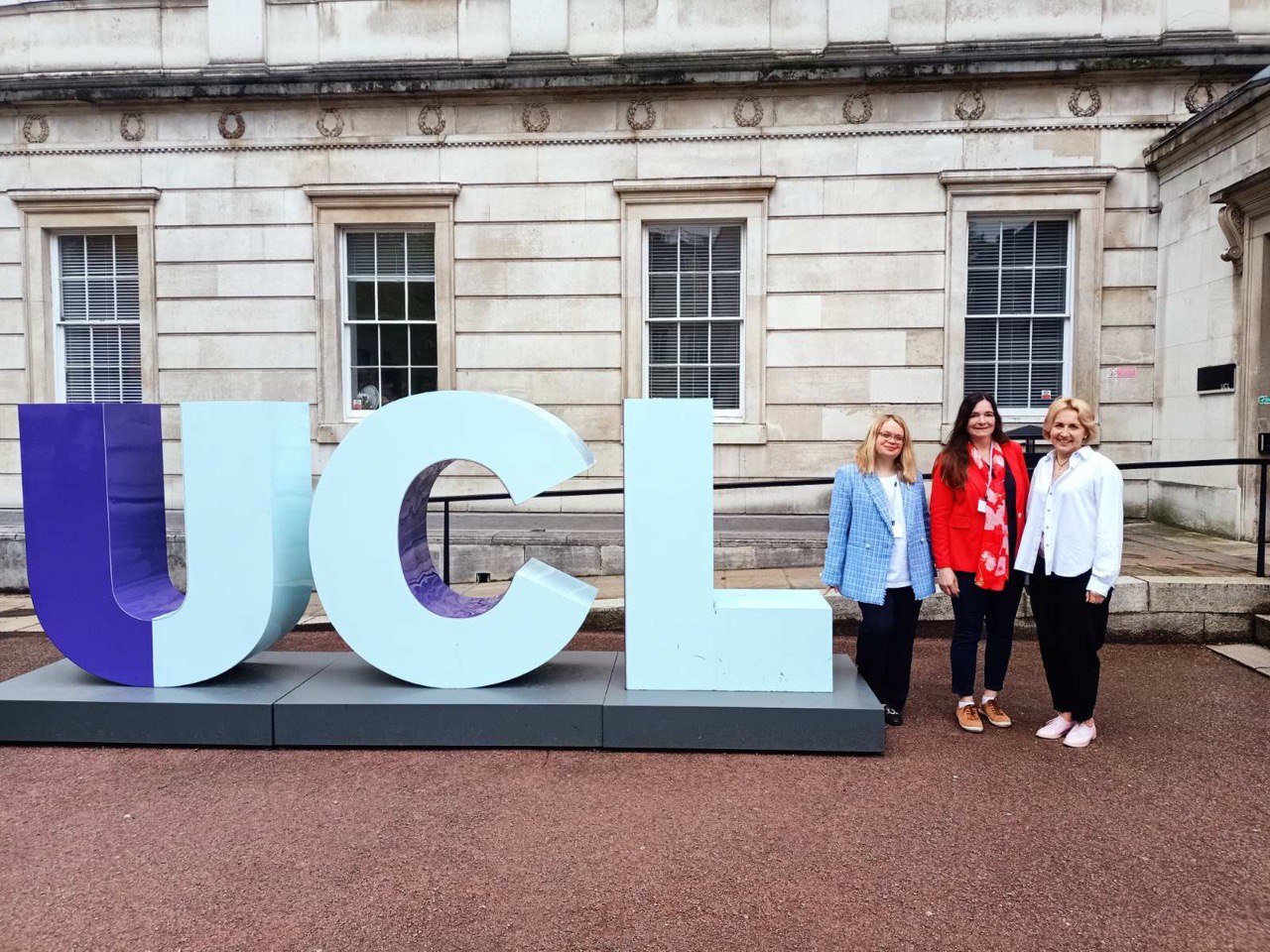
“The talk covered language programmes initiated by the language ombudsman and approved at oblast and city levels; the adaptation of mostly Russian-speaking newcomers; local reactions; and new trends. One of them is that local residents, who usually switch languages easily as a courtesy, have largely stopped switching into Russian when addressed in it. That is a position,” says Professor Shumytska.
Foreign colleagues show particular interest in Zakarpattia’s historical language-policy experience across different state formations and in its multiethnic coexistence: “Our region is especially interesting as a cross-border one. People ask about national communities that lived here for centuries and have now left in large numbers because of the war — and more. Scholars from multilingual regions elsewhere seek experience in resolving language-policy issues, including in Ukraine’s borderlands.”
We need to learn how to tell our own story
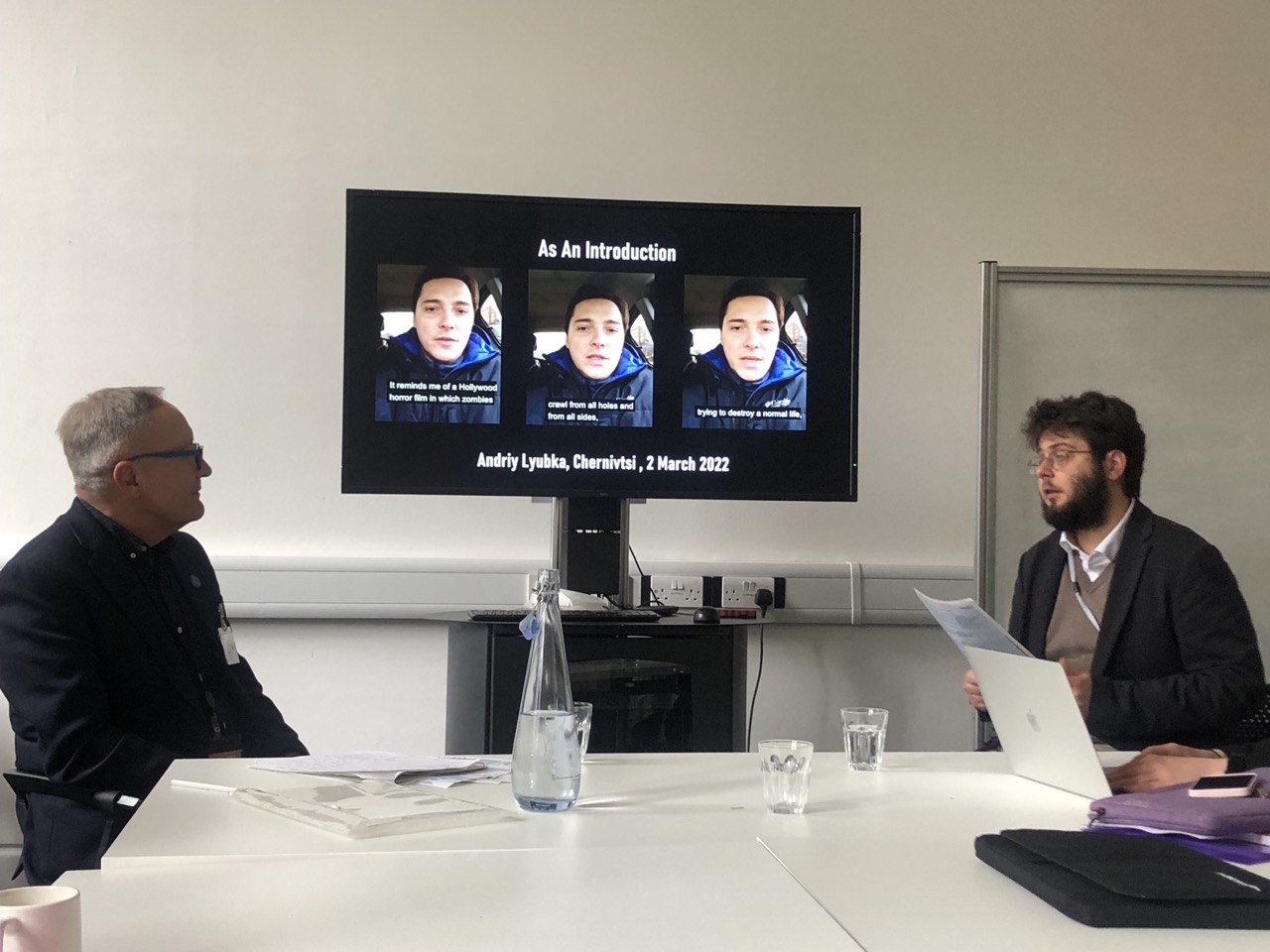
Moscow long understood the power of its own narratives and funded them generously, which is why Slavic centres worldwide were Russia-centric. “At UCL’s Centre for Slavonic and East European Studies, Ukraine as a key concept sounded, perhaps, for the first time. Interest in Ukrainian studies is huge. We must use this moment: the world now sees us as we are, not through Russian propaganda. We must advance our own narratives — and invest in that at state level almost like armaments, because it is also a weapon,” says Professor Shumytska. “Such a favourable moment may not come again. The world is ready to hear us… We must learn to tell our own story — not craftily or hypocritically, but from the depth and height of the culture that is our foundation and our heart.”
-
-
-
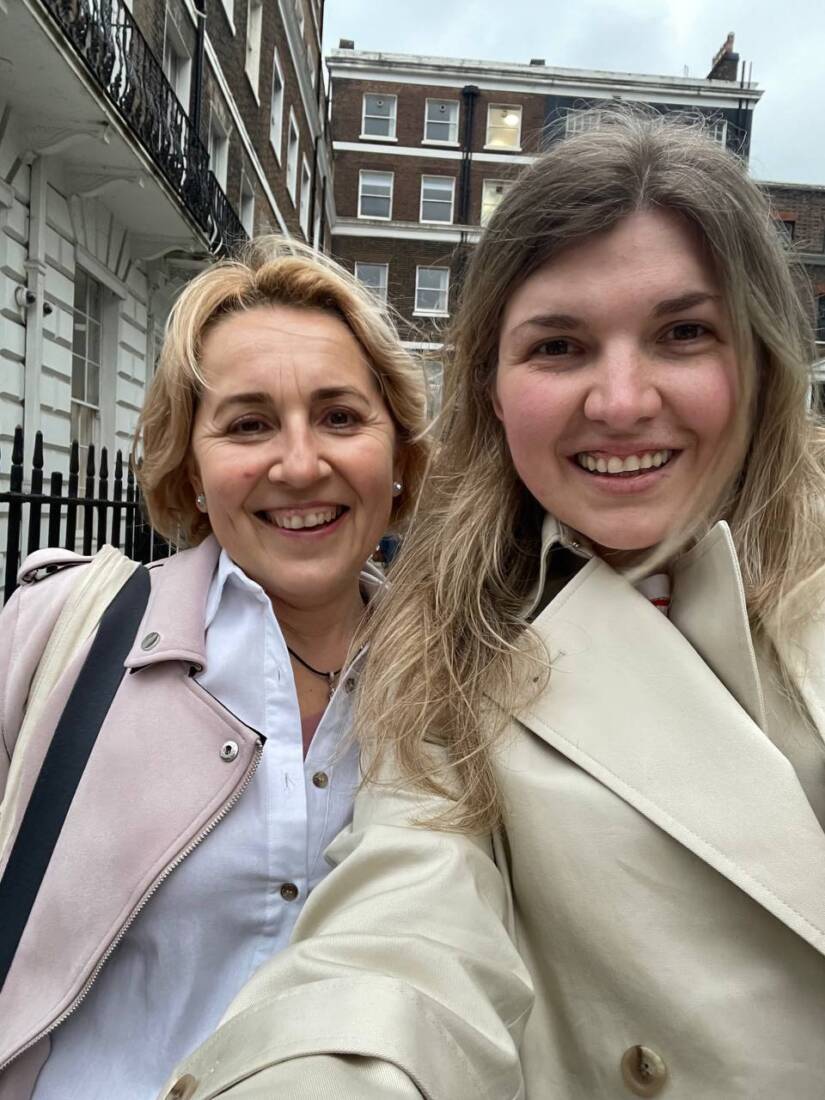
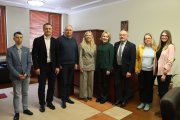
Halyna Shumytska and Oksana Azhniuk
-

Professor Shumytska was especially impressed by the younger generation of Ukrainian scholars, including Oksana Azhniuk — formerly a journalist at the UzhNU Media Center, now a communicator for the Association of Ukrainians in Great Britain. “They speak foreign languages excellently and represent Ukrainian boldly, proudly and fully. They can hold complex debates and deploy arguments and counter-arguments. Such intellectuals — and Ukrainians abroad more broadly — should become ambassadors of the Ukrainian idea at every level. That must be supported by the state, but it is also each of our responsibilities, because we are the state.”
The world is rethinking its attitude to Russian
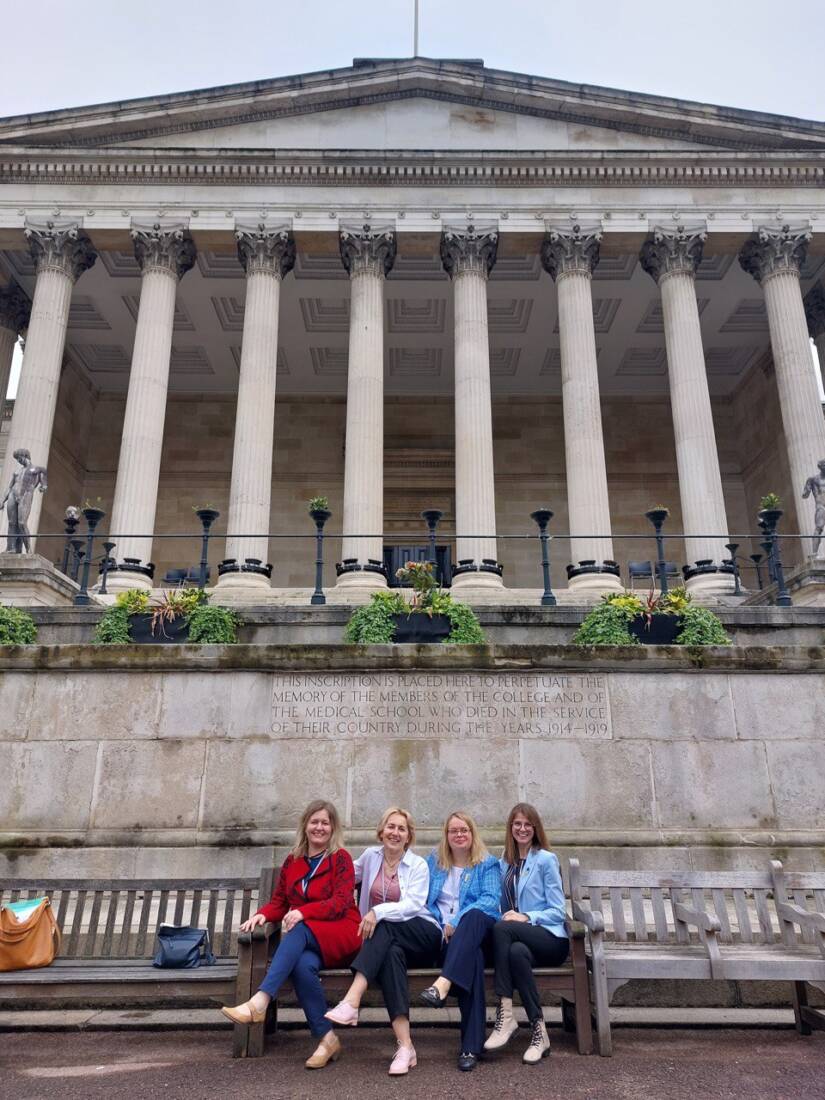
Professor Shumytska notes that the world is rethinking Russian as an international lingua franca and its attitude to Russians more broadly. Have people grasped that Russian is now a tool of aggression? “Most likely they are still in process. Sadly, even in the third year of a genocidal war, many Ukrainians still fail to see language as a security factor… We must treat that with understanding and compassion, yet firmly defend the state’s interests and security at every level.
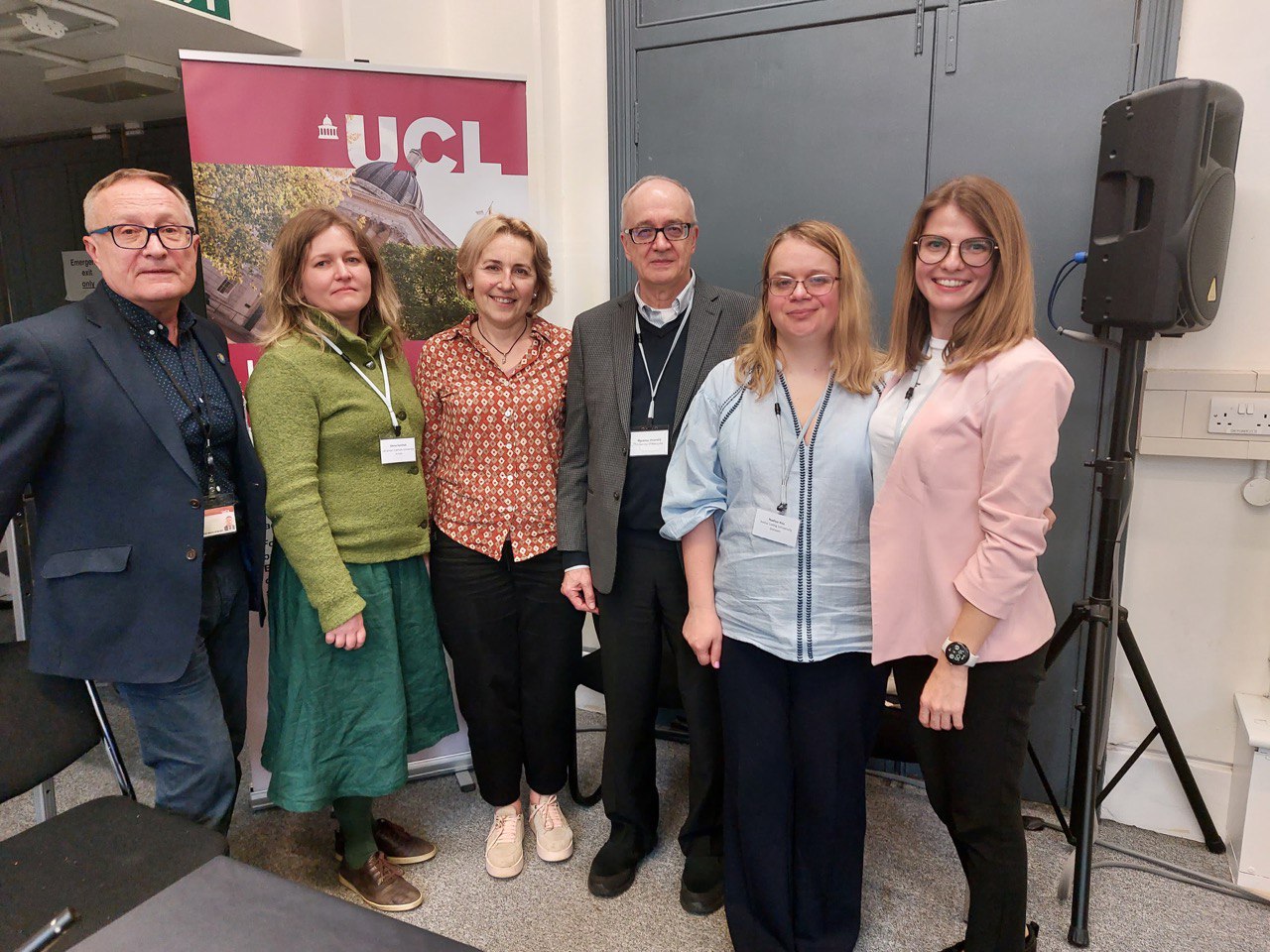
In my view, we should not scold foreigners for Pushkin or Tolstoy. Better to speak about our nation’s geniuses… As Oksana Zabuzhko does — consistently, consciously, tirelessly.”
She notes a positive trend: Ukrainian studies are actively asserting themselves in world Slavic centres. “The process has begun. We must accelerate and scale it. Ukrainisation should become assertive, as the Language Commissioner put it — not by forcing everyone to speak Ukrainian, but by stepping out of our shell, going into the world and telling our story in other languages and in our own. The world should grow used to our language and its rightful place among European languages.”
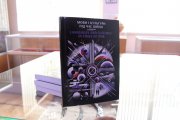
The Research Centre for the Sociology of Language plans to compile and publish a collective Ukrainian–British monograph based on the conference.
Halyna Kryshynets.
Source: UzhNU Media Center
Own info.
Other publications